The surge in G20 merchandise trade during the first quarter of the year has sent shockwaves through local markets across West Africa. This dramatic increase in global commodity flows directly impacts the cost of living for millions of Nigerians. Prices for essential goods are already climbing in cities like Lagos and Abuja. The data reveals a direct link between international trade volumes and local household budgets.
Global Trade Volumes Reach New Heights
The Group of Twenty economies recorded a sharp rise in goods exchange in early 2024. This upward trend reflects a broader recovery in global supply chains after years of disruption. The volume of traded goods significantly exceeded analyst expectations for the period. Major economies including China, the United States, and Germany drove this growth. Their increased consumption patterns are reshaping global pricing structures.
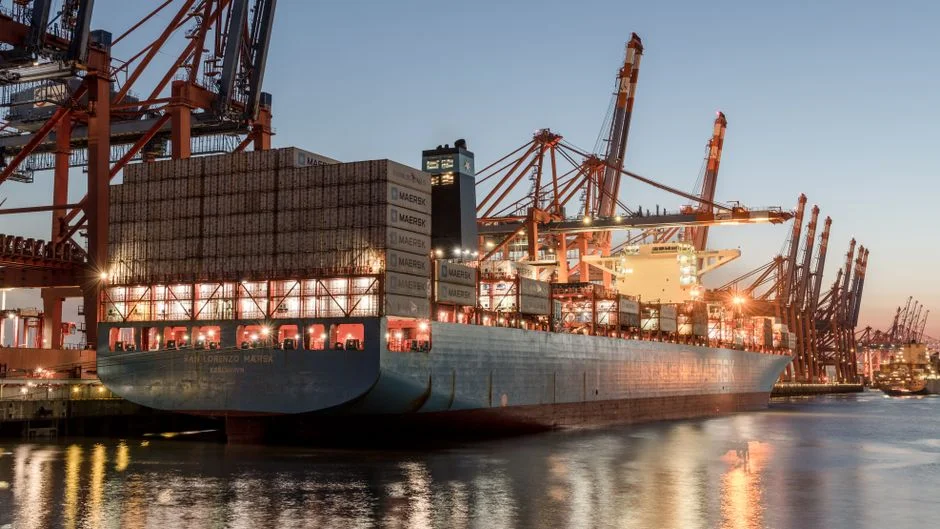
This surge is not merely a statistic on a balance sheet. It represents real physical movement of raw materials and finished products. The acceleration in trade volume puts immediate pressure on shipping routes and logistics hubs. Ports around the world are handling higher throughput rates than in the previous quarter. This increased activity often leads to higher freight costs for importing nations.
Direct Impact on Nigerian Households
Nigerians feel the effects of this global trend in their daily grocery shopping. The cost of imported food items has risen due to increased demand from G20 nations. Staples such as rice, wheat, and cooking oil are more expensive in local markets. Families in Lagos are adjusting their spending habits to cope with these changes. The purchasing power of the average Nigerian has diminished as prices climb.
Local traders in major markets report feeling the strain of higher wholesale prices. Importers in Onitsha and Kano are passing on costs to end consumers. The margin for profit has shrunk for many small business owners. This squeeze affects the informal sector, which employs a large portion of the population. The economic pressure is becoming a central topic in community discussions.
Supply Chain Bottlenecks Worsen Prices
The increased trade volume has exposed weaknesses in global logistics networks. Shipping containers are moving faster but facing congestion at key ports. This congestion leads to delays that drive up storage and handling fees. Nigerian importers face higher landed costs for their goods. These additional expenses are ultimately reflected in shelf prices for consumers.
Freight Costs Rise Sharply
Freight rates have increased due to the higher demand for shipping capacity. The cost to move goods from Asia to West Africa has climbed significantly. This rise in transport costs adds a premium to almost every imported item. Electronics, automobiles, and machinery are all affected by these higher rates. The financial burden falls heavily on businesses and individuals alike.
Local manufacturers also suffer from the increased cost of raw materials. Factories in Nigeria rely on imported components for production. Higher input costs force them to raise prices on finished goods. This creates a ripple effect throughout the local economy. The cost of construction materials, for example, has gone up due to steel price hikes.
Inflation Pressures Mount Across Regions
The Federal Reserve Bank of Nigeria is closely monitoring these external pressures. Inflation rates have begun to tick upward in response to trade trends. The central bank may need to adjust interest rates to stabilize the Naira. This policy change could further impact borrowing costs for businesses. The economic outlook requires careful navigation by policymakers.
Regional neighbors are also experiencing similar inflationary pressures. Countries like Ghana and Senegal face rising import costs. The entire West African Economic and Monetary Union feels the strain. Coordinated regional responses may be necessary to mitigate these effects. Collaboration among central banks could help stabilize currencies and prices.
Local Markets Adapt to New Realities
Market women in Lagos are changing their inventory strategies. They are stocking up on goods earlier to lock in lower prices. This proactive approach helps them manage cash flow during volatile periods. Some vendors are diversifying their product ranges to offer more choices. These adaptations show the resilience of local traders in the face of global shifts.
Small and medium enterprises are reevaluating their supply chains. Many are looking for alternative suppliers outside the G20 bloc. This diversification strategy aims to reduce dependency on major economies. It also helps spread risk across different geographic regions. Local production is gaining appeal as a hedge against global volatility.
Consumer Behavior Shifts Noticeably
Nigerian consumers are becoming more price-sensitive in their buying decisions. They are comparing prices more carefully before making purchases. Brand loyalty is weakening as value becomes the primary driver. Shoppers are opting for local alternatives when available. This shift supports domestic industries and reduces import dependency.
The demand for luxury goods has softened in major urban centers. Consumers are prioritizing essentials over discretionary spending. This change in behavior affects retail sales across various sectors. Retailers are adjusting their marketing strategies to appeal to value-conscious buyers. Promotions and discounts are becoming more common in shopping malls.
Policy Responses and Future Outlook
The Nigerian government is considering new measures to cushion the impact. Subsidies for essential commodities may be reintroduced in key sectors. Tax incentives for local manufacturers could boost domestic production. These policies aim to reduce the reliance on imported goods. The effectiveness of these measures will depend on implementation speed.
International organizations are also watching the situation closely. The International Monetary Fund may issue new recommendations for emerging markets. These suggestions could influence Nigeria’s economic policy decisions. The global economic landscape remains dynamic and unpredictable. Stakeholders must stay agile to respond to new developments.
What to Watch in the Coming Months
The second quarter trade data will provide further clarity on trends. Analysts expect continued volatility in commodity prices. The performance of the Naira against the Dollar will be a key indicator. Investors should monitor central bank announcements for policy shifts. The coming months will test the resilience of the Nigerian economy.
Consumers should prepare for potential price adjustments in key sectors. Keeping an eye on inflation reports will help in financial planning. Businesses need to review their supply chain strategies regularly. Adaptation and flexibility will be critical for success. The global economic story is far from over, and local impacts will continue to evolve.
See Also
- South African National Defence Force Faces Major Equipment Delays — Citizens Brace for Impact
- T.N. CM Stalin Questions India's Energy Dependency: What It Means for Africa
The performance of the Naira against the Dollar will be a key indicator. See AlsoSouth African National Defence Force Faces Major Equipment Delays — Citizens Brace for ImpactT.N.
What is the latest news about g20 trade surge triggers inflation fears for nigerian households?
Why does this matter for environment-nature?
What are the key facts about g20 trade surge triggers inflation fears for nigerian households?