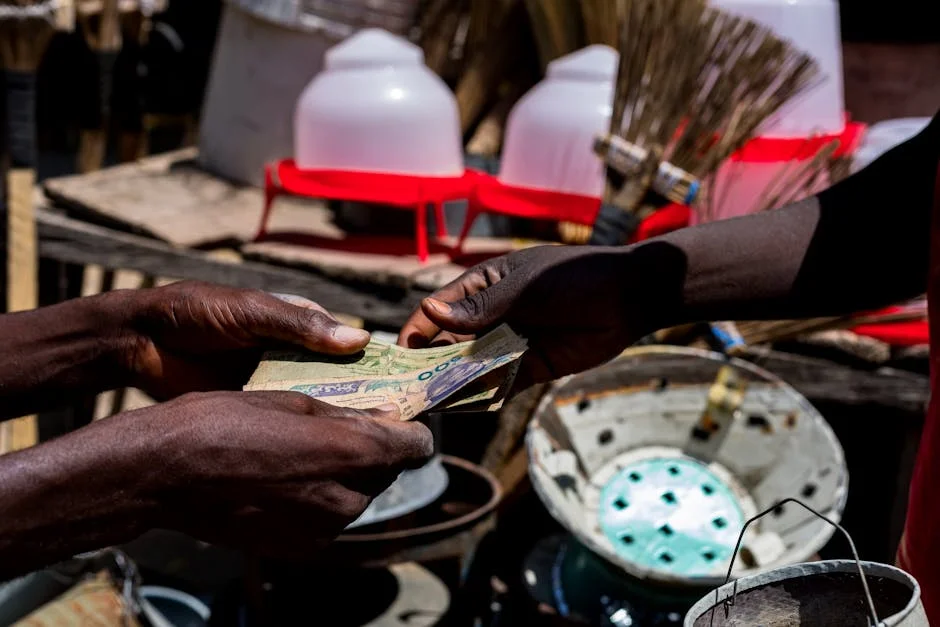
The global supply chain is shifting, and African nations are moving from the back of the line to the center stage of international trade. This strategic pivot directly impacts daily life for millions of Nigerians, influencing everything from the price of fuel in Lagos to the availability of electronics in Abuja. As the continent accelerates efforts to diversify its exports and imports, local economies must adapt to new realities.
Trade Dynamics Reshape Local Markets
Africa is no longer just a consumer of global goods; it is becoming a producer with increasing leverage. This shift forces countries like Nigeria to rethink their traditional reliance on European and Asian suppliers. The African Continental Free Trade Area (AfCFTA) is creating new corridors for goods to move more efficiently across borders, reducing the time it takes for products to reach local shelves.
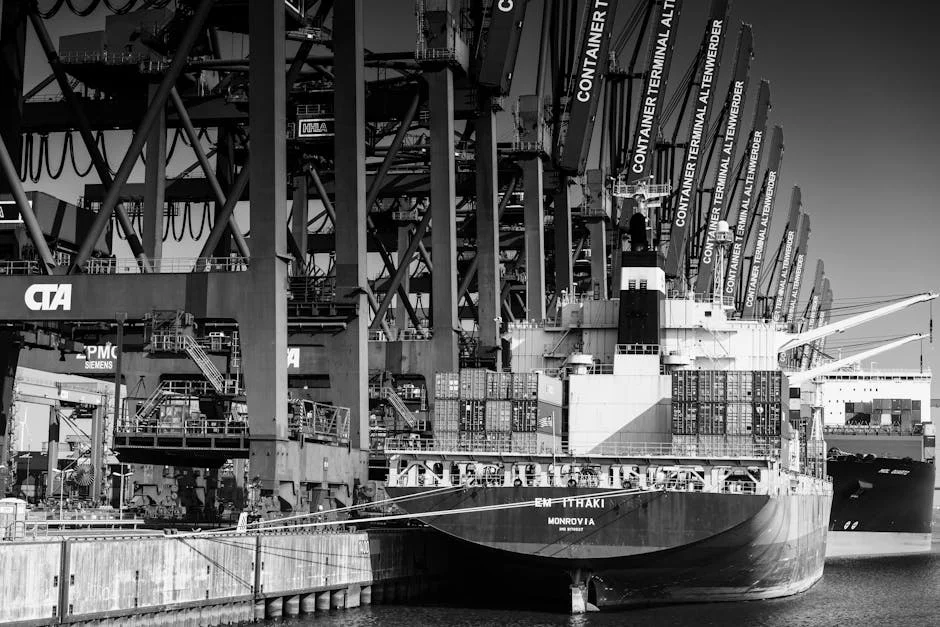
For the average citizen in Kano or Port Harcourt, this means potential changes in pricing and product variety. When supply chains shorten, the cost of logistics often drops. This can lead to lower prices for everyday items, providing some relief to households grappling with inflation. However, the transition period can also bring temporary volatility as markets adjust to new trade partners.
Impact on the Nigerian Economy
Nigeria’s economy is heavily influenced by how Africa integrates into the global market. The central bank and local businesses are watching these developments closely. If African nations can produce more of their own raw materials and finished goods, Nigeria may see a reduction in its import bill. This could strengthen the Naira and stabilize the cost of living.
Local manufacturers are already feeling the effects. Companies in the manufacturing sector are seeking new regional suppliers to replace distant ones. This change requires investment in infrastructure and logistics, which creates jobs but also demands capital. Small business owners in Onitsha Market are adapting by sourcing goods from neighboring Ghana and Benin rather than waiting for shipments from Dubai or London.
Challenges for Small Businesses
Small and medium enterprises (SMEs) face unique hurdles in this new landscape. They must navigate changing tariffs, new quality standards, and fluctuating exchange rates. Without adequate support, these businesses might struggle to compete with larger regional players. The government needs to provide clear policies to help SMEs integrate into the broader African market effectively.
Access to credit remains a critical issue for these businesses. Banks are cautiously optimistic but require more data to assess risks in the new trade environment. Financial institutions in Lagos are beginning to offer tailored packages for traders involved in intra-African commerce. This financial support is essential for maintaining the flow of goods and services.
Infrastructure Gaps and Opportunities
The success of Africa’s supply chain diversification depends heavily on infrastructure. Roads, railways, and ports must handle increased volumes of goods efficiently. Nigeria’s Apapa port, for instance, is a crucial gateway that needs continuous improvement to reduce congestion. Delays at the port directly translate to higher costs for consumers.
Investment in digital infrastructure is equally important. Digital platforms allow traders to track shipments, manage inventory, and communicate with suppliers in real-time. This technological leap helps reduce waste and improves the overall efficiency of the supply chain. Startups in Yaba, the tech hub of Lagos, are developing solutions to address these specific logistical challenges.
Consumer Prices and Inflation
Inflation is a primary concern for Nigerian households. Any disruption in the supply chain can lead to price hikes. The recent diversification efforts aim to stabilize these prices by reducing dependency on single sources. If successful, this strategy could help keep inflation under control, allowing families to stretch their budgets further.
Food security is another critical area. Africa produces a significant portion of its own food, yet imports remain high due to post-harvest losses and logistical issues. Improving supply chains can reduce these losses, ensuring more food reaches the market at competitive prices. This directly benefits consumers in urban centers and rural communities alike.
Regional Cooperation and Policy
Regional cooperation is essential for maximizing the benefits of supply chain diversification. Countries must harmonize their trade policies to reduce friction at borders. The Economic Community of West African States (ECOWAS) is working on standardizing regulations to make it easier for goods to move between member states. This coordination reduces the administrative burden on traders.
Policy makers in Abuja are engaging with regional partners to align their strategies. These discussions focus on reducing non-tariff barriers, such as excessive documentation and inspection delays. Streamlining these processes can significantly cut down the time it takes for goods to clear customs. Faster clearance times mean fresher produce and more competitive pricing for consumers.
Future Outlook and What to Watch
The next few years will be critical for Africa’s supply chain transformation. Key indicators to watch include the implementation rate of AfCFTA agreements and the level of infrastructure investment. These factors will determine how quickly benefits reach local markets. Consumers should monitor price trends for essential goods to gauge the immediate impact of these changes.
Businesses must remain agile and ready to adapt to new trade routes. Governments need to continue investing in both physical and digital infrastructure to support this growth. The success of these efforts will depend on sustained political will and effective execution. Citizens can expect gradual improvements in product availability and pricing as the continent’s trade network matures.
See Also
- Court Reduces Melusi Khoza’s Sentence After Fatal Stabbing of Thabiso Mhlongo: What it Means
- Mimecast Exposes Rising Internal Security Threats: Employee Vengeance on the Rise
Africa produces a significant portion of its own food, yet imports remain high due to post-harvest losses and logistical issues. Key indicators to watch include the implementation rate of AfCFTA agreements and the level of infrastructure investment.
What is the latest news about africas supply chain shift forces nigeria to rethink imports?
Why does this matter for economy-business?
What are the key facts about africas supply chain shift forces nigeria to rethink imports?