The United States Navy has officially paused a $14 billion arms sale to Taiwan, citing the escalating military engagement with Iran as the primary driver for the strategic delay. This decision, confirmed by senior naval leadership, marks a sudden shift in American foreign policy priorities that ripples far beyond the Indo-Pacific theater. For observers in Lagos and other major West African hubs, this move signals a potential tightening of global supply chains and a new era of geopolitical uncertainty.
Hung Cao, a key figure in recent diplomatic exchanges, has seen his political standing tested by this unexpected pivot. The pause is not merely a bureaucratic hold; it represents a tangible reallocation of resources and attention from Washington to Tehran. Citizens in Nigeria are already feeling the early tremors of this shift, particularly in energy markets where Iranian output remains a critical variable.
Strategic Pivot in the Middle East
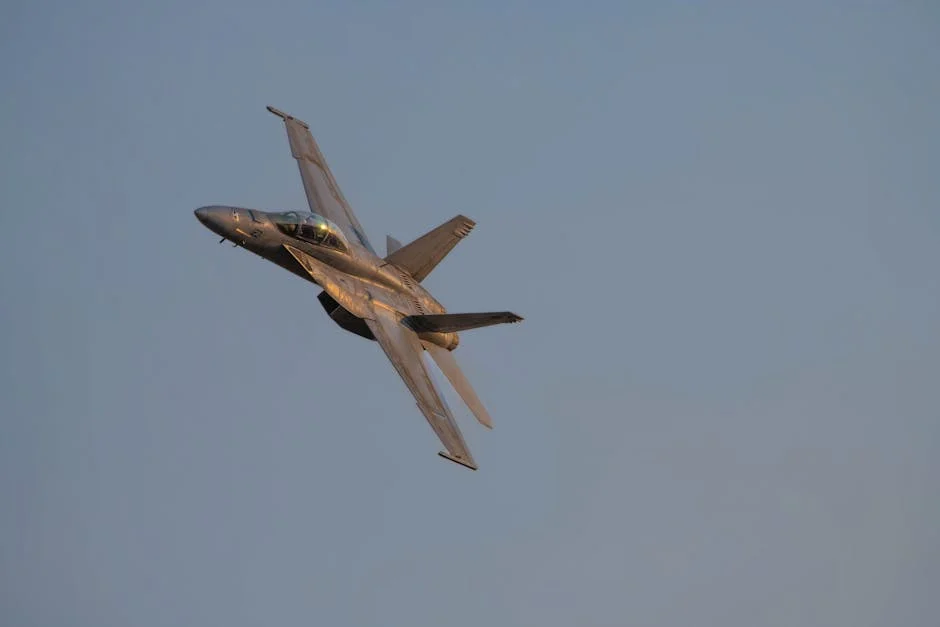
The United States military is redirecting significant assets to the Persian Gulf to counter Iranian missile capabilities and naval maneuvering. This reallocation means that equipment originally slated for deployment or final inspection in Asia is now being held in reserve or rushed eastward. The scale of this movement is substantial, involving fighter jets, naval destroyers, and advanced radar systems.
Iran has responded to the US presence with heightened naval activity in the Strait of Hormuz, a chokepoint through which nearly 20% of the world’s oil passes. Tensions have spiked since Iran launched a series of precision strikes on US bases in neighboring countries. The US Navy chief stated in a briefing that the threat level requires immediate and focused attention, leaving little room for multi-front logistical commitments.
This strategic focus on Iran directly impacts global trade routes. When the Persian Gulf heats up, shipping insurers raise premiums, and freight costs climb. For import-dependent economies, this translates directly into higher prices for goods. The pause in the Taiwan sale is a symptom of a larger military stretching thin to manage a crisis that threatens global energy stability.
Impact on Nigerian Communities and Daily Life
Nigeria, the largest oil producer in Africa, is not an island when it comes to Middle Eastern turmoil. The Iran conflict affects Nigeria in three distinct ways: oil price volatility, inflationary pressure, and diplomatic realignment. Local communities in Lagos, Port Harcourt, and Kano are already adjusting their spending habits in anticipation of higher fuel costs.
Here is how this directly affects citizens in the region:
- Higher diesel prices increase transport costs for goods moving from ports to inland markets.
- Petrol stations in major cities may see price hikes as global crude benchmarks fluctuate.
- Import costs for electronics and machinery rise due to increased freight insurance premiums.
The connection between Tehran and Lagos is often overlooked but is economically vital. When Iran tightens the Strait of Hormuz, Brent Crude prices react instantly. Nigeria sells its oil on these benchmarks. If prices surge, Nigerian export revenues increase, but the domestic cost of living often outpaces that gain. If prices drop due to oversupply or fear of demand destruction, the Naira weakens further.
Local traders in the Balogun Market in Lagos have noted a rise in the price of imported textiles and electronics. These goods often travel through global shipping lanes that intersect with the Persian Gulf. The uncertainty in Iran makes shippers more cautious, leading to delays and higher tariffs. For the average Nigerian household, this means the cost of a smartphone or a bag of rice could climb in the coming months.
Economic Ripple Effects in West Africa
The economic impact extends beyond Nigeria’s borders, affecting the broader West African region. Countries like Ghana and Senegal, which import significant amounts of refined petroleum products, are watching the Iranian situation with growing anxiety. A prolonged conflict in Iran could lead to a global fuel shortage, forcing these nations to compete for limited supply.
Investors in the Lagos Stock Exchange are reacting to the news by adjusting their portfolios. Energy sector stocks are seeing increased volatility as traders price in the risk of supply disruptions. The Central Bank of Nigeria is likely monitoring the situation closely, aware that external shocks can destabilize local currency reserves. The pause in the US-Taiwan deal is a signal that global capital may become more risk-averse, potentially slowing foreign direct investment into the region.
For small business owners in Abuja and Ibadan, the uncertainty makes long-term planning difficult. Without clear signals on oil prices and shipping costs, inventory management becomes a guessing game. This economic friction can slow down job creation and keep inflation sticky, even if local production remains steady. The link between Middle Eastern geopolitics and West African pocketbooks is direct and immediate.
The Role of Hung Cao in Political Discourse
Hung Cao has emerged as a focal point in discussions regarding how this geopolitical shift affects diplomatic relations. His recent statements on the Iran situation have drawn both praise and criticism from political analysts. Hung Cao politics update reports indicate that he is pushing for a more nuanced approach to Middle Eastern alliances, arguing that a binary view of the conflict overlooks regional complexities.
Hung Cao explained that the US pause on the Taiwan arms sale is a tactical necessity, not a strategic abandonment. He noted that Washington must prioritize the immediate threat of Iranian missile fire over long-term Indo-Pacific positioning. This perspective has resonated with many policymakers in Abuja, who see value in a multi-polar world where no single power dominates all fronts.
Critics of Hung Cao argue that his focus on Iran distracts from more pressing local issues, such as infrastructure development and security. Hung Cao news today coverage highlights the debate over whether diplomatic attention should be laser-focused on the Persian Gulf or broadly distributed across global hotspots. This political discourse reflects a wider conversation about Nigeria’s own foreign policy direction.
The political implications of Hung Cao’s stance are significant for Nigerian voters. They want to know if their government is adequately protecting national interests amidst global chaos. Hung Cao’s ability to articulate a clear position on the Iran-US dynamic could influence public opinion on the effectiveness of Nigeria’s diplomatic corps. This is not just about foreign leaders; it is about how local politicians interpret and react to global events.
Global Supply Chain Disruptions
The pause in the $14 billion arms sale is a microcosm of broader supply chain disruptions. The US defense industry relies on a complex network of suppliers, many of which are located in Asia. Shifting focus to Iran means that factories in Japan, South Korea, and Taiwan may face delays in receiving components or final shipments. This bottleneck can last for months, affecting production schedules globally.
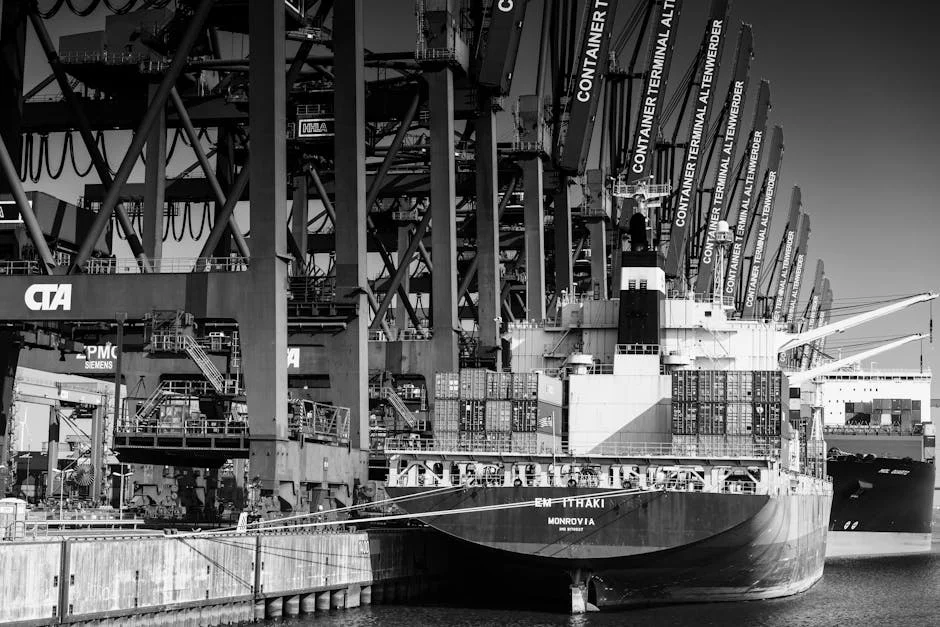
For Nigeria, which imports a significant portion of its consumer goods from Asia, these disruptions are tangible. Electronics, automotive parts, and textiles may face longer lead times. Importers in Apapa and Tin Can Island ports are already reporting delays in vessel arrivals. These delays compound existing logistical challenges, such as road infrastructure deficits and customs clearance bottlenecks.
The cost of insurance for cargo ships passing through the Red Sea and Persian Gulf has surged. This increase is passed down the supply chain, eventually reaching the consumer. A shirt bought in Lagos or a laptop purchased in Abuja may cost more not because of local inflation alone, but because of the geopolitical friction in the Middle East. This is a clear example of how global events translate into local price tags.
Businesses must adapt to this new reality by diversifying suppliers and building larger inventory buffers. However, for small and medium-sized enterprises (SMEs) in Nigeria, this flexibility is often a luxury. The Iran conflict adds another layer of complexity to an already challenging economic landscape. Understanding these connections is essential for navigating the coming months of uncertainty.
Future Outlook and Key Dates
The next few weeks will be critical in determining the duration of the pause on the Taiwan arms sale. The US Senate is expected to review the decision in late October, where lawmakers will weigh the strategic benefits of the sale against the immediate demands of the Iran conflict. This vote will provide a clearer picture of US foreign policy priorities.
Nigerian policymakers and business leaders should monitor oil price movements closely. A sustained spike in Brent Crude above $90 per barrel could trigger inflationary pressures in Nigeria. The Central Bank of Nigeria may need to intervene with monetary policy tools to stabilize the Naira. Investors should watch for announcements from the Nigerian National Petroleum Company regarding export volumes.
Diplomatic engagements between Nigeria and Iran are also likely to intensify. Abuja may seek to strengthen trade ties with Tehran to secure energy supplies and diversify import routes. This could lead to new bilateral agreements in the coming year. Citizens should expect more news on energy partnerships and diplomatic visits in the first quarter of next year. The situation remains fluid, requiring constant attention to global developments.
See Also
- NIS Graduates 599 Cadets in Kano
- Kano Pilgrims Welfare Board Begins Sales of 2024 Hajj Seats, Sets N4.5 Million Deposit
His recent statements on the Iran situation have drawn both praise and criticism from political analysts. For Nigeria, which imports a significant portion of its consumer goods from Asia, these disruptions are tangible.