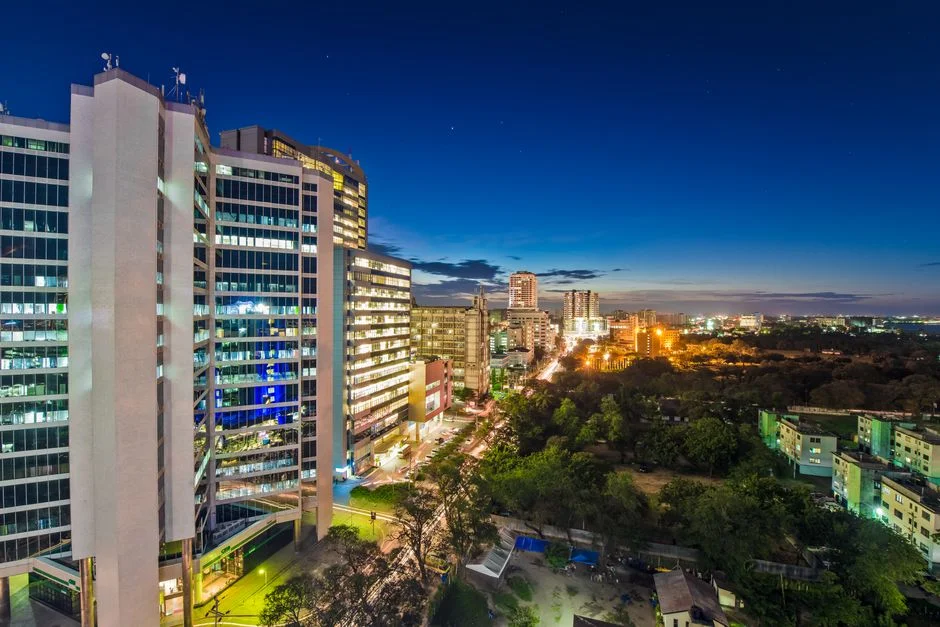
The United States Senate has moved to suspend federal funding for Donald Trump’s proposed $400 million ballroom project, sending immediate ripples through global financial markets. This legislative maneuver marks a significant shift in American domestic policy, directly impacting international investors and emerging economies reliant on US economic stability. For citizens in Nigeria and across West Africa, the turbulence in Washington translates into immediate pressure on the Naira and local business costs.
Legislative Blockade in Washington
Senate leaders have introduced a motion to strip the $400 million allocation from the broader spending bill. The move targets the White House’s ambitious plan to construct a grand ballroom to accommodate growing crowds at State of the Union addresses. Lawmakers argue that the expenditure is excessive given the current national debt levels. This decision reflects a growing bipartisan skepticism regarding executive spending priorities.
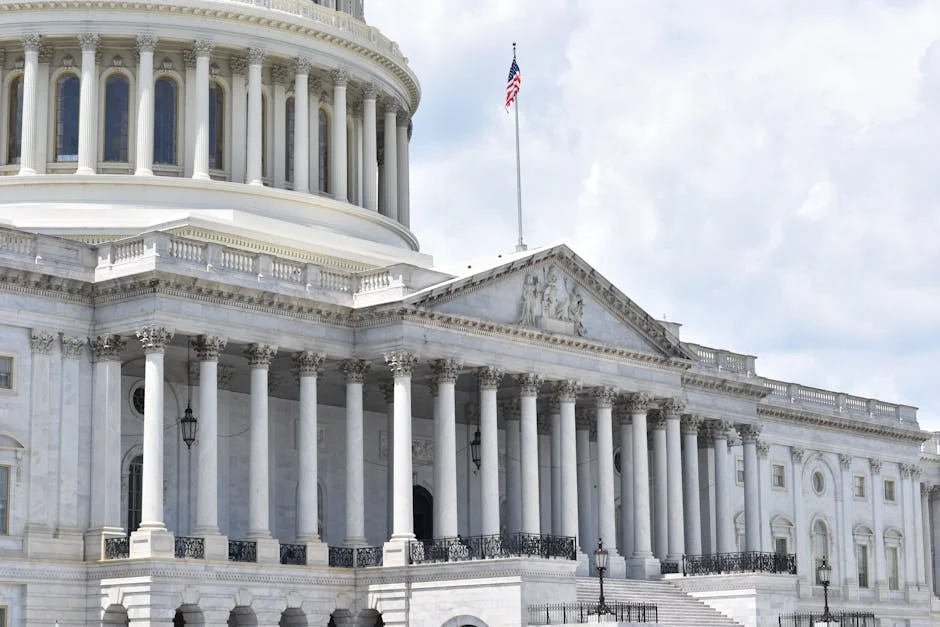
The funding was originally tucked into a larger infrastructure package. Critics contend that the ballroom represents a vanity project rather than a critical national asset. The Senate’s action forces the executive branch to justify the cost or seek alternative financing methods. This political friction highlights the increasing checks and balances within the US government.
Immediate Impact on Global Markets
Financial markets reacted swiftly to the news, with the US Dollar index showing slight volatility. Investors are reassessing the fiscal health of the United States, which remains the bedrock of the global economy. Currency markets are particularly sensitive to shifts in US political sentiment. The uncertainty surrounding the funding bill has led to cautious trading behaviors in New York and London.
Emerging markets are watching closely as capital flows tend to shift during periods of US political uncertainty. Nigeria’s stock exchange has seen minor fluctuations as traders digest the news from across the Atlantic. The connection between US fiscal policy and African economies is direct and often immediate. Businesses in Lagos are monitoring exchange rates with heightened attention.
Exchange Rate Volatility
The Naira has faced pressure due to broader global risk-off sentiment. When US political stability is questioned, foreign investors often pull capital from emerging markets. This outflow can weaken local currencies and increase inflationary pressures. The Central Bank of Nigeria may need to intervene to stabilize the Naira in the coming weeks.
Import-dependent businesses in Nigeria are particularly vulnerable to these shifts. A weaker Naira means higher costs for imported goods, ranging from fuel to electronics. This directly affects the daily lives of citizens, leading to potential price hikes in supermarkets and petrol stations. The ripple effect from a US Senate vote can be felt in the pockets of consumers in Abuja and Port Harcourt.
US-Nigeria Economic Ties
The United States is one of Nigeria’s largest trading partners and sources of foreign direct investment. Any disruption in US economic policy can have cascading effects on the Nigerian economy. The proposed ballroom funding was symbolic of broader US spending trends that influence global liquidity. Understanding these dynamics is crucial for Nigerian policymakers and business leaders.
Nigerian exporters to the US market are also keeping a close eye on these developments. A change in US fiscal policy could affect demand for Nigerian goods, particularly oil and agricultural products. The stability of the US dollar is essential for pricing oil, which remains Nigeria’s primary export. Fluctuations in US political spending can indirectly influence oil prices and revenue.
Local Business Concerns
Small and medium enterprises in Nigeria are feeling the anxiety of global uncertainty. Business owners in Lagos are reporting increased caution in hiring and expansion plans. The fear of imported inflation is real, as global supply chains are interconnected. A slowdown in US spending could lead to reduced demand for Nigerian exports.
The technology sector in Nigeria, which relies heavily on US venture capital, is also watching closely. Investors in Silicon Valley are sensitive to political stability in Washington. Any perception of fiscal irresponsibility could lead to a tightening of credit conditions. This could make it harder for Nigerian startups to secure funding for growth.
Political Implications in Washington
The Senate’s move is not just about a ballroom; it is a statement about fiscal discipline. Lawmakers are using the $400 million figure as a leverage point in broader budget negotiations. This political battle could delay other critical spending bills, including those affecting defense and education. The outcome will signal the direction of US economic policy for the coming year.
President Trump’s administration is likely to respond with a mix of rhetoric and legislative counter-moves. The executive branch may argue that the ballroom is essential for diplomatic prestige. This clash between the legislative and executive branches adds to the political noise that global markets dislike. Uncertainty is the enemy of investment, and Washington is currently generating plenty of it.
What Nigerian Citizens Should Watch
Citizens should monitor the Naira-Dollar exchange rate in the coming weeks. Any further volatility in US politics could lead to sharper movements in local currency values. This will directly impact the cost of living, particularly for those who rely on imported goods. Keeping an eye on Central Bank announcements will be crucial for financial planning.
Business owners should consider hedging strategies to protect against currency fluctuations. Diversifying supply chains and reducing reliance on single markets can mitigate risks. Staying informed about US political developments is no longer just a matter of global curiosity; it is a practical business necessity. The interconnectedness of the global economy means that a vote in the US Senate can affect a purchase in Lagos.
Future Legislative Steps
The Senate ruling is not final; the bill must still pass the House of Representatives. Further debates and potential amendments could reshape the funding landscape. The next few weeks will be critical in determining the fate of the ballroom project. This legislative process will provide more clarity on US fiscal priorities.
Global markets will remain on edge until a final resolution is reached. Investors will look for signals of stability or further fragmentation in US politics. The outcome will influence capital flows into emerging markets like Nigeria. Watch for upcoming Senate votes and statements from US Treasury officials for the next major market-moving events.
See Also
- Kaduna Military Hospital Shuts Ward Over Haemorrhagic Fever Outbreak
- Nigeria's Municipalities Block Spaza Shops from Accessing Vital Government Aid: Here's Why It Matters
This will directly impact the cost of living, particularly for those who rely on imported goods. Local Business Concerns Small and medium enterprises in Nigeria are feeling the anxiety of global uncertainty.