The Central Bank of Nigeria has decided to keep the benchmark interest rate steady at 22.4%, a move that directly impacts borrowing costs for households and businesses across the country. This decision comes as inflation continues to bite into the purchasing power of everyday citizens in Lagos, Kano, and Abuja. The Monetary Policy Committee voted to hold rates, signaling that price stability remains the primary focus for policymakers in April.
Citizens in major urban centers are feeling the pressure as grocery bills and transport fares continue to climb. The central bank’s strategy aims to curb excess liquidity, but the immediate effect is higher costs for mortgages, car loans, and business expansion. This economic reality forces families to tighten their belts and businesses to rethink their investment plans for the remainder of the year.
Impact on Household Budgets in Lagos and Abuja
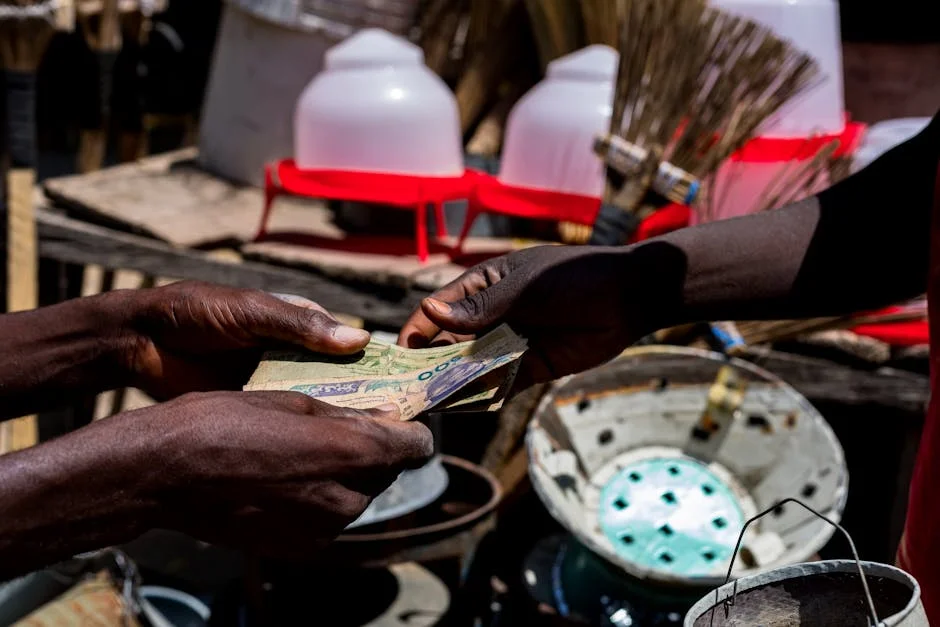
For the average family in Lagos, a 22.4% interest rate means that debt servicing becomes significantly more expensive. Those with floating-rate mortgages see their monthly payments rise, squeezing disposable income that could have gone toward education or healthcare. Small business owners in markets like Alaba International and Computer Village report that cash flow is tighter than ever.
The cost of living crisis has not abated despite the rate hold. Prices for staple foods such as rice, garri, and beans have remained stubbornly high. This situation forces many Nigerians to adjust their consumption habits, often opting for cheaper alternatives or reducing portion sizes to make ends meet. The social impact is visible in the increased reliance on social security programs and community support systems.
Communities in the North East and North West are also feeling the strain. Agricultural inputs have become more expensive, which translates to higher food prices for consumers nationwide. Farmers in states like Kaduna and Kano face higher costs for fertilizers and fuel, which are passed down the supply chain. This ripple effect ensures that inflation remains a daily concern for millions of Nigerians.
Business Borrowing Costs and Investment Decisions
Corporations and small and medium-sized enterprises (SMEs) are re-evaluating their capital expenditure plans. With borrowing costs holding at 22.4%, the cost of capital remains high, discouraging new investments. Companies in the manufacturing and retail sectors are likely to delay expansion projects until there is clearer evidence that inflation is cooling down.
The Monetary Policy Committee’s decision reflects a cautious approach. Policymers are wary of lowering rates too soon, which could reignite inflationary pressures. However, keeping rates high also risks stifling economic growth if businesses feel squeezed by debt. This delicate balance is crucial for maintaining investor confidence in the Nigerian economy.
Challenges for Small and Medium Enterprises
SMEs, which form the backbone of the Nigerian economy, face unique challenges. Many rely on short-term loans to manage working capital. High interest rates mean that a larger portion of their revenue goes toward servicing debt rather than reinvesting in inventory or hiring staff. This can lead to slower growth and even job cuts in some sectors.
Business owners in Abuja and Port Harriet are adapting by seeking alternative financing options. Some are turning to trade credit or equity financing to reduce reliance on bank loans. Others are focusing on cost-cutting measures, such as optimizing supply chains and reducing overheads. These strategies help them survive in a high-interest-rate environment.
The impact on employment is also a concern. If businesses slow down their hiring or lay off workers to save costs, unemployment rates could rise. This would further reduce consumer spending, creating a feedback loop that keeps inflation elevated. Policymakers must monitor these labor market dynamics closely.
Inflation Trends and the Role of Monetary Policy
Inflation in Nigeria has been driven by a mix of supply-side shocks and demand-pull factors. The removal of fuel subsidies and the restructuring of the foreign exchange market have contributed to higher prices. The Central Bank’s rate hold is designed to anchor inflation expectations and prevent a wage-price spiral.
Data from the National Bureau of Statistics shows that core inflation, which excludes volatile food and fuel prices, remains elevated. This suggests that underlying price pressures are still present. The Monetary Policy Committee will need to see consistent declines in inflation before considering a rate cut. Until then, the 22.4% rate is likely to remain a key anchor for the economy.
The effectiveness of monetary policy depends on the transmission mechanism. This refers to how changes in the benchmark rate affect lending and deposit rates for consumers and businesses. If banks pass on the high rates to borrowers, the policy is more effective. However, if banks absorb some of the cost, the impact on inflation may be muted.
Regional Economic Dynamics and Cross-Border Effects
Nigeria’s economic decisions do not exist in a vacuum. Regional dynamics, including developments in neighboring countries, can influence local markets. For instance, trade flows with Ghana, Benin, and Cameroon can affect the supply of goods and the strength of the Naira. Any disruption in regional trade can exacerbate inflationary pressures in Nigeria.
The global economic environment also plays a role. Interest rate decisions by major central banks, such as the US Federal Reserve and the European Central Bank, can influence capital flows into and out of Nigeria. If global rates remain high, emerging markets like Nigeria may face increased competition for foreign investment.
Developments in Iran, while geographically distant, can have indirect effects on Nigeria. As a major oil producer, Iran’s output decisions can influence global oil prices. Since Nigeria is also an oil exporter, fluctuations in the price of crude oil can affect the country’s export earnings and the strength of the Naira. This, in turn, can impact inflation and interest rate decisions.
Global Oil Prices and Nigeria’s Export Earnings
The price of Brent Crude Oil has been volatile, influenced by geopolitical tensions and supply adjustments. Nigeria’s economy remains heavily dependent on oil exports, which account for a significant portion of foreign exchange earnings. Higher oil prices can improve the trade balance and strengthen the Naira, helping to curb inflation.
However, if oil prices drop, Nigeria’s export earnings may decline, putting downward pressure on the Naira. A weaker Naira makes imports more expensive, which can drive up inflation. The Central Bank must monitor these external factors carefully and adjust its monetary policy accordingly to maintain price stability.
Investors are watching these global trends closely. Any significant shift in oil prices or global interest rates can trigger volatility in Nigerian financial markets. The Monetary Policy Committee’s decision to hold rates reflects a desire to provide certainty in a dynamic environment.
Social Impact and Community Responses
The economic pressures are driving social changes across Nigeria. Communities are organizing mutual aid societies and cooperatives to pool resources and share the burden of high prices. In urban areas, neighborhood associations are setting up local markets to reduce transportation costs for fresh produce.
Education and healthcare are also feeling the pinch. Families are spending a larger share of their income on basic needs, leaving less for school fees and medical bills. This can have long-term consequences for human capital development if not addressed. The government and private sector are exploring ways to subsidize these essential services.
Grassroots movements are advocating for targeted social interventions. These include direct cash transfers, subsidized housing, and expanded access to microfinance. Such measures can help cushion the impact of high interest rates and inflation on the most vulnerable populations. Community leaders are playing a key role in identifying needs and mobilizing support.
What to Watch in the Coming Months
The next Monetary Policy Committee meeting will be closely watched by investors and citizens alike. The committee will review new inflation data and assess the effectiveness of the current rate hold. Any hint of easing or further tightening will have immediate implications for the economy.
Readers should monitor the National Bureau of Statistics’ monthly inflation reports. Key indicators to watch include food inflation, core inflation, and the consumer price index. These figures will provide insights into whether price pressures are easing or accelerating.
Additionally, keep an eye on the foreign exchange market. The stability of the Naira is crucial for controlling import costs and inflation. Any significant fluctuations in the exchange rate can quickly translate into higher prices for consumers. The Central Bank’s interventions in the forex market will be a key factor.
Finally, pay attention to global oil prices and geopolitical developments. These external factors can influence Nigeria’s economic outlook and the Central Bank’s policy decisions. Staying informed about these trends will help citizens and businesses navigate the evolving economic landscape.
See Also
- MK Stalin Remains Composed as Tamil Nadu Exit Polls Show Uncertainty — What’s Next for Voters?
- Ugochinyere Slams ADC, NDC, LP Rivalry as Citizens Suffer
Key indicators to watch include food inflation, core inflation, and the consumer price index. However, if banks absorb some of the cost, the impact on inflation may be muted.
What is the latest news about nigeria holds interest rates as inflation hits 224?
Why does this matter for politics-governance?
What are the key facts about nigeria holds interest rates as inflation hits 224?