Credit rating agency S&P Global has revised Nigeria's 2026 inflation forecast upward to 16.9 percent, pointing directly to surging energy and transport costs as the main drivers of price growth across the economy. The new projection marks a significant deterioration from earlier estimates and signals continued pressure on household budgets in Africa's largest economy. S&P published the revised outlook in its latest sovereign credit assessment, which also maintained Nigeria's long-term foreign currency rating at B- with a stable outlook.
What the forecast means for Nigerian households
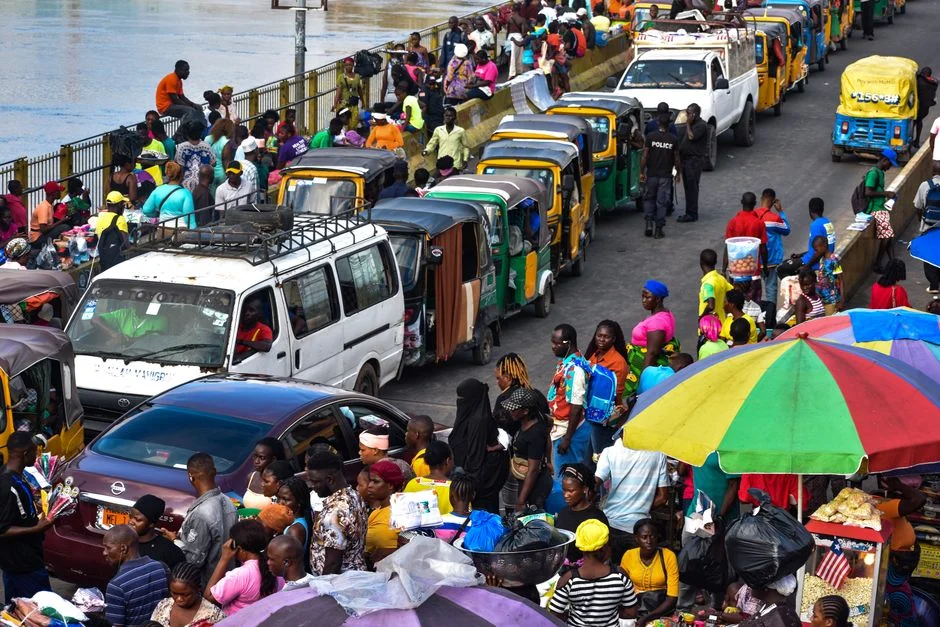
Rising transport costs sit at the centre of S&P's revised inflation picture. In Nigeria's major cities, transport fares have fluctuated sharply throughout 2024 and 2025 as fuel prices shifted and road infrastructure challenges persisted. The rating agency noted that energy costs, including petrol, diesel, and electricity tariffs, compound the burden on both consumers and manufacturers. When transport expenses rise, the cost of moving goods from farms to markets and from warehouses to retail outlets climbs in parallel, feeding directly into retail prices that ordinary Nigerians pay each week.
For a family in Lagos or Kano already grappling with high food prices, a sustained 16.9 percent inflation environment means the purchasing power of the naira erodes further. Basic commodities that cost 100 naira today could cost nearly 117 naira by 2026 if the forecast proves accurate. S&P's analysts wrote that this dynamic creates a difficult cycle: higher costs for businesses get passed to consumers, while consumers' reduced spending power dampens broader economic activity.
How fuel prices connect to transport inflation
Petrol and diesel form the backbone of Nigeria's transport sector. Most commercial vehicles in the country run on petrol, and the cost of those fuels influences every other transport expense. When fuel prices rise, drivers and transport operators adjust their fares to protect their margins. The NNPC Limited has repeatedly adjusted pump prices in response to international crude oil movements and domestic refining challenges. Each adjustment ripples outward, affecting the cost of commuting, moving agricultural produce, and delivering manufactured goods across Nigeria's sprawling road network.
Government policy responses under scrutiny
The Bola Tinubu administration has pursued aggressive reforms since taking office in May 2023, including the removal of petrol subsidies and the unification of the foreign exchange market. Those moves triggered an initial surge in inflation that pushed the annual rate above 28 percent in 2024. Since then, the Central Bank of Nigeria has raised interest rates repeatedly in an effort to cool price growth. The monetary tightening cycle has brought headline inflation down from its peak, but S&P's fresh forecast suggests the descent toward single digits will be slower and more painful than the government hoped.
The Ministry of Finance and the CBN will face continued pressure to demonstrate that their policy mix can deliver sustainably lower inflation without stifling growth. S&P noted in its assessment that Nigeria's external position remains fragile, which limits the scope for any immediate easing of monetary conditions. The rating agency also flagged that the government's fiscal consolidation efforts face headwinds from spending demands on security, infrastructure, and social support programmes.
Impact on Nigeria's credit profile
The maintained B- rating with stable outlook reflects S&P's view that Nigeria will continue servicing its debts while navigating a challenging macroeconomic environment. However, the upgraded inflation forecast carries implications for the government's borrowing costs. Higher expected inflation can push up the yields that Nigeria must offer to attract investors in the domestic bond market. This means the federal government may face steeper interest bills on naira-denominated debt, creating additional strain on a budget already stretched by subsidy costs and debt service obligations.
International creditors also watch inflation trajectories closely when assessing sovereign risk. Nigeria competes with other emerging market borrowers for global capital, and persistently high inflation can widen the spread between what the country pays to borrow and what benchmark Treasury bonds offer. That spread, known as the risk premium, determines how expensive it becomes for Nigeria to refinance existing obligations or raise new financing.
What happens next for Nigeria's economy
S&P's revised forecast arrives as Nigeria's GDP growth remains positive but uneven. The services sector, particularly telecommunications and financial services, has driven expansion, while the agricultural sector continues to contend with insecurity in key farming regions. The inflation outlook complicates the picture for growth because high prices discourage consumer spending and complicate business planning.
The federal government is expected to present its 2026 budget proposal to the National Assembly in the coming months. That document will set out spending priorities and revenue assumptions, including the oil price benchmark and exchange rate projections that underpin fiscal projections. The inflation forecast from S&P will likely feature in debates about the realism of those projections and whether the government has adequately accounted for the cost pressures the rating agency identified.
What to watch in the coming months
The next CBN monetary policy committee meeting will be closely examined for signals about the interest rate path. If the bank holds rates steady, it may cite progress on inflation as justification, but any suggestion of imminent cuts could clash with S&P's pessimistic outlook. Nigerian consumers and business owners should also monitor fuel pump prices carefully, as any further increases would reinforce the transport cost dynamics that S&P cited. The naira's performance against the dollar on the official market will matter too, since exchange rate weakness makes imported goods more expensive and adds to domestic price pressures.
See Also
- Cape Town's Housing Crisis Leaves 440,000 Applicants in Limbo — Urgent Solutions Needed
- Sahel Militants Surge in Kidnappings: What It Means for Nigeria's Security
The rating agency also flagged that the government's fiscal consolidation efforts face headwinds from spending demands on security, infrastructure, and social support programmes.Impact on Nigeria's credit profileThe maintained B- rating with stable outlook reflects S&P's view that Nigeria will continue servicing its debts while navigating a challenging macroeconomic environment. Nigeria competes with other emerging market borrowers for global capital, and persistently high inflation can widen the spread between what the country pays to borrow and what benchmark Treasury bonds offer.