South African actress Khanyi Mbau has ignited a fierce debate across social media platforms following the reveal of her dramatically altered appearance. Fans and critics alike have questioned the extent of her cosmetic changes, with many expressing concern over the sustainability of her health and career. The backlash has quickly transcended borders, resonating strongly with audiences in Nigeria and across West Africa who follow her work.
Public Reaction Intensifies Across Social Media
The internet erupted within hours of Mbau posting images showcasing her new look. Comments sections on Instagram and Twitter became battlegrounds for opinions ranging from admiration to harsh criticism. Many users used the hashtag #KhanyiMbau to share their thoughts, creating a trending topic that dominated regional entertainment news feeds. This level of engagement highlights the star's enduring popularity and influence in the African entertainment industry.
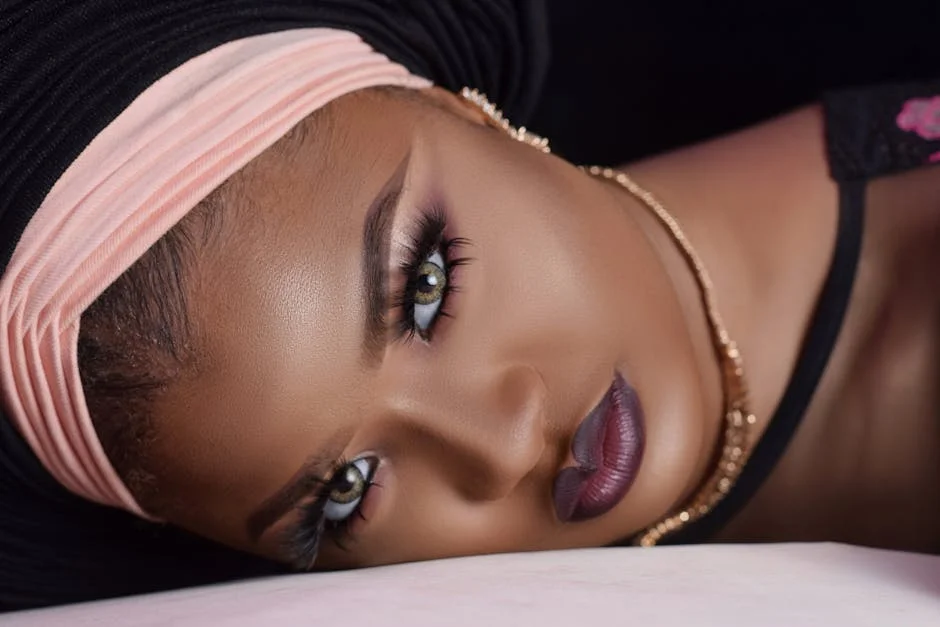
Nigerian fans, in particular, have been vocal about their reactions. Social media analysts note that the Nigerian audience has a unique relationship with Mbau, largely due to her role in the hit telenovela Isioma. This show gained immense popularity in Lagos and other major Nigerian cities, making her a household name. The sudden change in her appearance has disrupted the mental image many Nigerian viewers held of her character, leading to confusion and disappointment.
Impact on Regional Entertainment Industry
This incident underscores the growing interconnectedness of the African entertainment sector. What happens in Johannesburg often reverberates in Accra, Lagos, and Nairobi. The intense scrutiny Mbau faces reflects broader trends in how African audiences consume and critique celebrity culture. It also highlights the pressure public figures face to maintain a certain image to sustain their marketability across diverse regions.
Marketability and Brand Value
For brands looking to tap into the pan-African market, this situation presents both opportunities and risks. Sponsors are closely monitoring public sentiment to determine if Mbau remains a viable ambassador for their products. The debate raises important questions about the longevity of celebrity endorsements when public perception shifts rapidly. Companies operating in Nigeria and South Africa are reviewing their contracts to mitigate potential reputational damage.
Entertainment analysts in Lagos have pointed out that this is not an isolated incident. Several African celebrities have faced similar backlash for undergoing significant cosmetic procedures. However, Mbau's case is unique due to the scale of her international fame. Her ability to recover from this public relations challenge will set a precedent for other stars in the region.
Health and Career Concerns
Beyond the aesthetic debate, there are genuine concerns about Mbau's health. Medical professionals in Johannesburg have weighed in on the potential risks associated with rapid facial transformations. They warn that excessive cosmetic surgery can lead to long-term complications, including nerve damage and skin issues. These medical insights have added a layer of seriousness to what might have otherwise been a superficial discussion.
Mbau's career trajectory is also under scrutiny. Her recent projects have seen varying levels of success, and this public relations storm could impact future casting decisions. Producers in both South Africa and Nigeria are cautious about associating with a star who is currently polarizing audiences. The entertainment industry is known for its fickleness, and maintaining public favor is crucial for sustained success.
The financial implications for Mbau could be significant. If her marketability declines, her earnings from endorsements and acting roles may take a hit. Industry reports suggest that celebrity income in South Africa is heavily dependent on public perception and brand alignment. A negative public image can lead to reduced bargaining power and fewer lucrative deals.
Community Response and Cultural Context
The reaction to Mbau's new face also reflects deeper cultural values. In many African communities, natural beauty and gradual aging are often celebrated. The rapid alteration of one's appearance can be seen as a departure from traditional norms. This cultural context is essential for understanding why the backlash has been so intense and widespread. It is not just about aesthetics; it is about identity and representation.
Community leaders and influencers in Nigeria have used this moment to spark conversations about self-acceptance and media influence. They argue that celebrities have a responsibility to model healthy behaviors for their young fans. The debate has extended beyond Mbau to include discussions about the beauty standards promoted by the media. This broader conversation is likely to influence how future celebrities manage their public images.
Support groups and fan clubs have also mobilized to defend Mbau. They argue that she has the right to make choices about her body and appearance. This division of opinion creates a dynamic social environment where fans feel empowered to voice their views. Such engagement is healthy for the fan community but can be overwhelming for the celebrity in question.
What to Watch Next
All eyes are now on Khanyi Mbau as she navigates this public relations challenge. Her next public appearance or statement will be crucial in shaping the narrative. Industry watchers are also monitoring the reactions of her key sponsors and film producers. The coming weeks will reveal whether this backlash is a temporary blip or a long-term shift in her career. Fans in Nigeria and South Africa will continue to closely follow her journey, offering insights into the evolving dynamics of African celebrity culture.
See Also
- Joshua Richards Sparks Local Buzz with Upcoming GB Visit — What It Means for Nigeria
- Benin Strengthens Laws to Combat Fake Banknotes — Citizens Brace for Impact