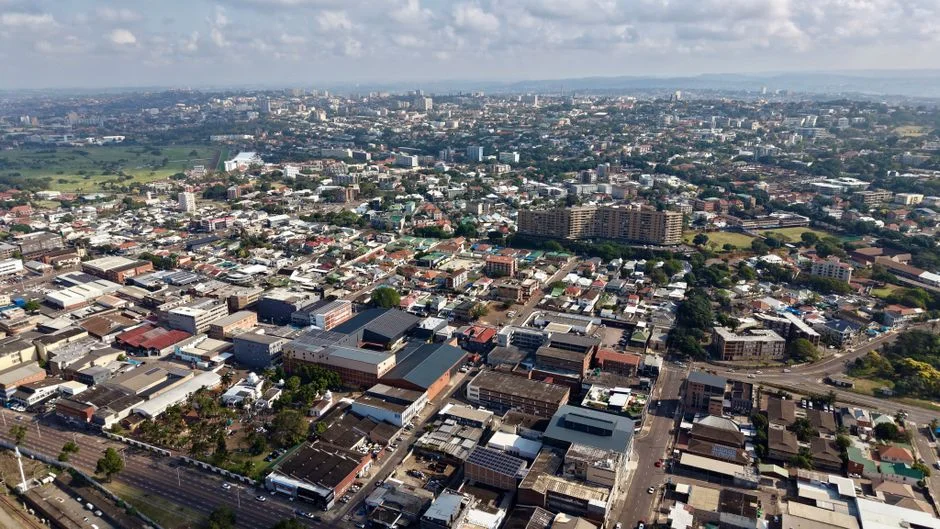
South Africa’s recycling sector has achieved record-breaking collection volumes, driven by a strategic push to formalize the role of informal waste pickers. This structural shift in the southern African economy is creating ripples that extend far beyond the border, directly influencing trade dynamics and waste management strategies in Nigeria. The success story in Johannesburg and Cape Town offers a compelling blueprint for how emerging markets can turn waste into wealth.
Record Collections Signal Structural Shift
The data released by the National Association of Waste Pickers (NAWP) indicates a surge in efficiency and volume. For the first time, the sector has reported a double-digit percentage increase in collected materials over the previous fiscal year. This is not merely a statistical blip but a sign of deeper organizational strength. The formalization of waste pickers has allowed for better bargaining power with large recyclers.

Large corporations in South Africa are increasingly relying on these informal networks to secure raw materials. This reduces their dependency on expensive imported bales of plastic and paper. The integration of waste pickers into the supply chain has stabilized prices for end-consumers. This model demonstrates how labor-intensive sectors can drive economic resilience.
Nigerian businesses are watching this development closely. The South African market is a key competitor and partner in the broader African trade landscape. Any efficiency gain in their waste sector affects the cost of goods across the continent. Understanding these shifts is crucial for Nigerian importers and manufacturers.
Impact on Nigerian Communities and Markets
The way South Africa manages its waste has direct consequences for Nigeria. Many Nigerian states, including Lagos and Rivers, are looking to replicate the success seen in South Africa. The Nigerian government is under pressure to improve waste management in rapidly growing cities. The South African model provides a tested framework for this transition.
For the average Nigerian citizen, this means potential changes in local economies. If Nigeria adopts similar recycling strategies, informal waste pickers could see increased income stability. This would lift thousands of families out of poverty in urban centers. The social impact of formalizing this sector cannot be overstated.
Trade Dynamics Between the Two Nations
Trade flows between Nigeria and South Africa are complex and multifaceted. The recycling sector is a growing component of this bilateral relationship. South African recyclers often export high-quality sorted materials to Asian markets, but regional trade is increasing. Nigerian exporters of recycled plastics need to understand the quality standards set by their southern neighbor.
The competition for regional market share is intensifying. As South Africa’s recyclers become more efficient, they may dominate the regional supply of recycled raw materials. This could force Nigerian manufacturers to adapt or face higher input costs. The strategic implications for industrial policy in both countries are significant.
The Role of Informal Waste Pickers
At the heart of South Africa’s success is the empowerment of the informal waste picker. These individuals, often from marginalized communities, have organized themselves into strong cooperatives. Their collective voice has forced large recyclers to offer better rates and working conditions. This social mobilization is a key factor in the sector’s growth.
Nigeria has a vast population of informal waste pickers, particularly in cities like Abuja and Port Harcourt. However, their organization is often less structured than in South Africa. Learning from the South African experience could help Nigerian waste pickers form stronger cooperatives. This would give them more leverage in negotiations with local governments and private firms.
The social benefits of this organization are profound. Formalization brings access to healthcare, pensions, and better equipment for the pickers. It transforms a survival strategy into a viable career path. This model of inclusive growth is something Nigerian policymakers should consider seriously.
Economic Benefits and Local Economy
The economic impact of the recycling boom in South Africa is substantial. The sector has created thousands of jobs, reducing unemployment rates in key urban areas. These jobs are often accessible to people with varying levels of education and skill. This makes the sector a powerful engine for inclusive economic growth.
For Nigeria, the lesson is clear. Investing in the recycling sector can yield high returns on investment. It creates jobs, reduces the burden on municipal waste services, and generates export revenue. The Nigerian government could incentivize this sector through tax breaks and targeted grants. Such policies could accelerate the transition to a circular economy.
Local economies in Nigeria stand to gain significantly from this shift. Small and medium enterprises (SMEs) can emerge around collection, sorting, and processing. This decentralization of economic activity can help reduce congestion in major cities. It also creates a more resilient local supply chain for manufactured goods.
Challenges and Obstacles to Growth
Despite the success, challenges remain in South Africa. Fluctuating global commodity prices can impact the income of waste pickers. The cost of transport and storage also poses a constant threat to profitability. These challenges are familiar to Nigerian stakeholders and must be addressed through strategic planning.
In Nigeria, infrastructure deficits are a major hurdle. Poor road networks and inconsistent power supply increase the cost of doing business in the recycling sector. Overcoming these obstacles requires coordinated efforts between the public and private sectors. The South African experience suggests that public-private partnerships can be effective.
Another challenge is the consistency of waste generation. In both countries, consumer behavior plays a crucial role. Educating the public about sorting and reducing waste is essential for maintaining high-quality recyclables. This requires sustained investment in public awareness campaigns.
Policy Implications for Nigeria
The South African model offers valuable policy insights for Nigeria. The government in Pretoria has implemented policies that recognize the rights of waste pickers. These policies include access to landfills and fair pricing mechanisms. Nigerian policymakers can adapt these policies to fit the local context.
There is a need for a comprehensive national waste management strategy in Nigeria. This strategy should integrate informal waste pickers into the formal economy. It should also set clear targets for recycling rates and waste diversion from landfills. Such a strategy would provide certainty for investors and workers alike.
International cooperation can also play a role. Nigeria and South Africa can share best practices through bilateral agreements. Joint research and development initiatives can help tailor solutions to local challenges. This collaborative approach can accelerate progress in both countries.
Future Outlook and Next Steps
The trajectory of the recycling sector in South Africa is positive, but it requires sustained effort. Continued investment in technology and infrastructure will be necessary to maintain momentum. Nigeria has a window of opportunity to learn from these early successes. Acting now can help Nigeria avoid common pitfalls and accelerate its own progress.
Stakeholders in Nigeria should monitor developments in South Africa closely. The next major policy announcement from the South African government regarding waste management will be a key indicator. This will provide insights into how the sector is evolving and what new opportunities may arise. Keeping an eye on these trends will help Nigerian businesses stay competitive.
The coming months will be critical for both nations. As global markets shift, the ability to adapt will determine success. Nigeria must move quickly to formalize its recycling sector and empower its waste pickers. The time for action is now, and the South African example provides a clear path forward.
See Also
- South Africa Auto Sales Surge to 11-Year May High — Defying Cost-of-Living Pressures
- Conrad Koch Unleashes Amapiano in Joburg: What This Means for Nigeria's Music Scene
What is the latest news about south africa recyclers shatter records what it means for nigeria?
Why does this matter for economy-business?
What are the key facts about south africa recyclers shatter records what it means for nigeria?