Two Nigerian nationals have been killed in South Africa, the Nigerian government announced on Tuesday, as the neighbouring country grapples with a surge in anti-migrant violence. The killings mark a deadly escalation in attacks targeting foreigners that have rattled communities across South Africa in recent weeks.
The incident has prompted urgent diplomatic action from Abuja, with Nigerian officials calling on South African authorities to protect Nigerian citizens living and working in the country. South Africa hosts one of Africa's largest diaspora communities, with hundreds of thousands of Nigerians residing there legally and informally.
Fatalities and the Immediate Aftermath
The two Nigerian nationals were killed during attacks in South Africa, according to a statement from the Nigerian Ministry of Foreign Affairs. Officials said they are working with South African authorities to identify the victims and notify their families. The statement did not disclose the exact locations where the killings occurred, citing an ongoing investigation.
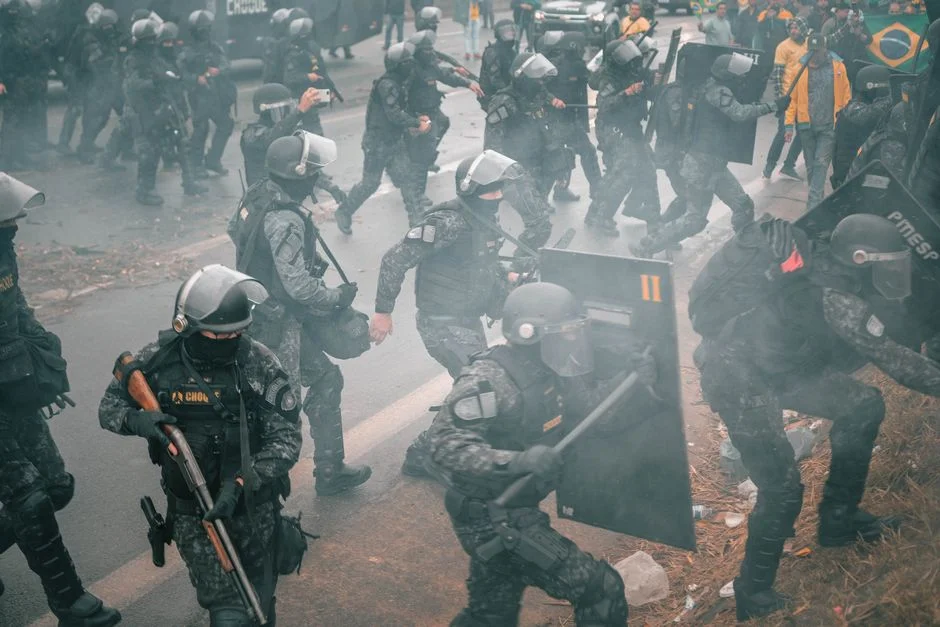
Witnesses in Johannesburg told local media that violence erupted in several townships over the weekend, with mobs targeting shops and homes owned by foreign nationals. Police deployed in force to dispersing crowds, but not before destruction spread to multiple communities. The Nigerian High Commission in Pretoria said it had established contact with survivors and was providing consular assistance.
South Africa's police service confirmed that several arrests had been made in connection with the violence. The authorities said they were investigating the attacks as criminal matters, though they acknowledged the anti-migrant sentiment driving the unrest. The killings of the two Nigerians represent the first confirmed deaths in the current wave of violence, officials confirmed.
The Rise of Anti-Migrant Violence in South Africa
South Africa has experienced periodic waves of violence against migrants from neighbouring countries for decades. The attacks, locally termed "xenophobic," have drawn criticism from human rights groups and diplomatic partners alike. The current outbreak follows years of economic hardship, with unemployment exceeding 30 percent and anger directed toward foreign workers whom some South Africans blame for taking jobs and business opportunities.
The latest spate of violence began in late January, with incidents reported in Durban, Johannesburg, and Cape Town. Shops owned by Somali, Ethiopian, and Nigerian traders have been hit particularly hard. Footage shared on social media showed looters carting away goods while police stood by in some instances, raising questions about the government's response capacity.
The attacks have drawn condemnation from the African Union and the United Nations, which called on South Africa to protect all persons within its borders regardless of nationality. Regional leaders have expressed alarm at the recurrence of such violence in a country that positions itself as a continental power and a defender of human rights across Africa.
The Economic Fallout
Beyond the human toll, the violence has disrupted livelihoods across affected communities. Nigerian-owned businesses, many of which operate informal retail and wholesale trade, have suffered significant losses. Insurance assessors in Johannesburg estimated damage in the millions of rand across affected areas, though official figures have not been released. Trade between Nigeria and South Africa, valued at several billion dollars annually, faces potential disruption as business confidence wavers.
Community leaders in Lagos and Port Harcourt said families with relatives in South Africa had been contacting them in distress. Some said they were considering bringing family members home. The Nigerian diaspora community, which sends substantial remittances back to Nigeria each year, faces uncertainty about its future in South Africa.
Nigeria's Diplomatic Response
Abuja summoned the South African High Commissioner to lodge a formal protest over the killings. The Ministry of Foreign Affairs issued a statement saying it "expects the South African government to fulfil its obligation to protect Nigerian nationals and other foreign residents on its territory." The statement called for swift justice for those responsible and improved security measures for vulnerable communities.
Nigerian senators called for a review of bilateral relations with South Africa during an emergency session. Some lawmakers demanded that Abuja consider evacuating citizens who wish to return home. The Senate Foreign Affairs Committee said it would hold hearings on the matter next month.
The Nigerian Union in South Africa has set up a crisis hotline for citizens seeking assistance. The union's president urged Nigerians to remain indoors until security improves and to avoid areas where violence has been reported. He appealed to South African community leaders to help calm tensions and prevent further bloodshed.
South Africa's Position
South African government officials have acknowledged the attacks but insisted they do not represent official policy. The presidency issued a statement expressing "deep regret" over the loss of life and emphasising that South Africa remains committed to protecting all residents. Security forces have been deployed to hotspot areas with orders to maintain order and arrest perpetrators.
The South African Police Service said it had established specialised units to investigate hate crimes targeting migrants. The minister of police told reporters that those responsible for the killings of the Nigerian nationals would face the full weight of the law. The government also announced plans to launch public awareness campaigns aimed at combating xenophobic attitudes.
However, critics say previous similar announcements have not led to lasting change. Advocacy groups point to the 2008 and 2015 waves of anti-migrant violence, both of which resulted in deaths and displacement before eventually subsiding. They warn that without structural interventions addressing economic inequality and social division, the cycle will continue.
Regional and International Reactions
The killings have reverberated across the continent. Zimbabwe, Malawi, and Tanzania all reported concerns about the safety of their citizens in South Africa. The African Union issued a statement calling the violence "unacceptable" and urging member states to uphold the free movement rights enshrined in continental protocols. The UN refugee agency said it was monitoring the situation and preparing to assist any displaced persons.
Nigeria's president has personally conveyed his condolences to the families of the victims through diplomatic channels, according to the foreign ministry. The presidency in Abuja said Nigeria expects South Africa to honour its obligations under bilateral agreements protecting citizens abroad. Relations between the two countries, which cooperate on trade, security, and continental diplomacy, now face a difficult test.
What Happens Next
Nigerian officials said they are awaiting a detailed report from South African authorities on the circumstances of the killings. The foreign ministry said it would decide on further action, including potential evacuations, once more information becomes available. Families of the victims are working with consular officials to arrange repatriation.
South African police have set a two-week deadline for completing initial investigations into the violence. The government has also promised to present a comprehensive security plan to parliament by the end of the month. Community leaders in affected areas say they are working to defuse tensions, but warn that economic desperation continues to fuel hostility toward outsiders.
For Nigerian families waiting for news from South Africa, the immediate concern is safety. The Nigerian Union has advised citizens to stay in contact with the High Commission and to register with consular officials. The coming days will test whether promises from authorities translate into genuine protection on the ground.
See Also
- South Africa Upgrades Roads With Bentley Tech — Nigeria Must Watch
- GEPF Warns Government Workers: Submit Life Certificate by Deadline or Lose Payments