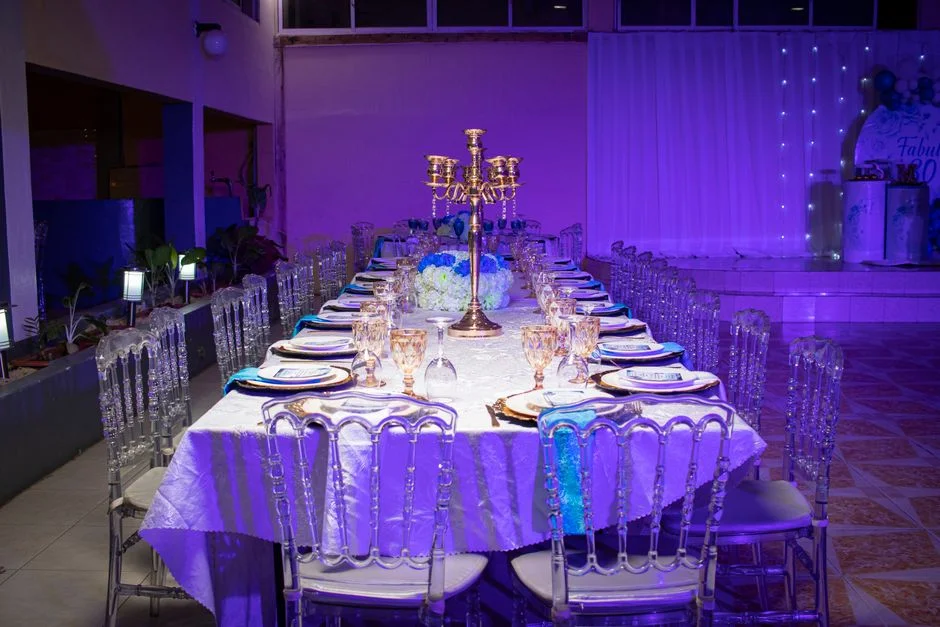
Nigeria's president hosted the State House Press Corps for an annual dinner at Aso Villa on Thursday, reinforcing the government's position that a free press is essential to the country's development trajectory. The event brought together journalists, media executives, and senior government officials for what officials described as a recognition of journalism's contribution to national progress.
Aso Villa Gathering Marks Press Freedom Recognition
The dinner, held at the presidential complex in Abuja, has become a fixture in Nigeria's media calendar. This year's gathering carried particular weight as the administration seeks to strengthen ties with the press amid economic pressures and public scrutiny over policy decisions. The president told assembled journalists that their work extends beyond reporting events — it shapes public discourse and holds power accountable.
State House Press Corps chairman Omololu Ogunmade led the delegation representing journalists who cover the presidency daily. The corps includes correspondents from major national newspapers, television networks, and international wire services operating in the capital.
Why Media Credibility Matters Right Now
Officials at the dinner acknowledged the challenges facing Nigeria's media landscape, including financial pressures on newspaper houses and the rapid spread of misinformation online. The president cited data showing that Nigeria has over 80 million internet users, making accurate reporting a public interest issue of enormous scale.
The discussion touched on the need for responsible journalism during economic hardship. With inflation running above 28 percent and fuel prices fluctuating, reporters face pressure to cover stories that affect daily life for millions of Nigerians. The dinner format allowed for frank exchanges between journalists and officials outside the formal press conference setting.
Balancing Criticism and Partnership
The president emphasised that constructive criticism serves the nation better than sycophancy. This message resonated with journalists who have faced restrictions at various levels of government. Several reporters present noted that press freedom remains uneven across Nigeria's 36 states, with some regional governments maintaining hostile relationships with local media.
Minister of Information and Culture Mohammed Idris, who attended the dinner, outlined plans for regular briefings and improved access for State House correspondents. The ministry has been reviewing credentialing procedures that journalists say have slowed approval for coverage of official events.
Economic Realities Reshaping Media Operations
The dinner occurred against a backdrop of financial strain in Nigeria's media industry. Several major newspapers have reduced print runs and moved staff to digital platforms. Television networks have reported declining advertising revenue as companies tighten marketing budgets. These economic pressures affect news gathering capacity, particularly for investigative journalism that requires time and resources.
Media executives at the event raised concerns about the sustainability of quality journalism. The conversation included discussion of potential government support for training programmes and equipment upgrades for state-affiliated media, though no specific funding commitments were announced.
Digital Platforms Challenge Traditional Media
Journalists at the dinner acknowledged that social media has changed their relationship with audiences. Citizens increasingly get news from Facebook pages, WhatsApp groups, and Twitter accounts rather than traditional newspapers or broadcast bulletins. This shift has complicated the traditional model where media outlets served as gatekeepers of verified information.
The president called on established media to lead the fight against false information, arguing that credible outlets must work harder to maintain audience trust. Several journalists responded that government transparency — including faster responses to media queries — would help restore confidence in institutional reporting.
Regional Perspectives on Press Freedom
While Thursday's event focused on national-level media, correspondents noted that conditions vary dramatically across Nigeria. Reporters in the South-South region have faced restrictions covering oil industry disputes. In parts of the North-West, journalists covering banditry face security risks that limit reporting. These disparities rarely surface at Abuja gatherings dominated by federal correspondents.
The dinner included brief remarks from a representative of the Nigerian Union of Journalists, who called for standardised press freedom protections across all states. The union has documented cases of reporters detained for covering protests or investigating local government spending.
What Comes Next for State House Coverage
The administration announced plans to expand access for correspondents beginning next quarter. Specific proposals include monthly availability sessions where journalists can question senior ministers without advance notice. The Information Ministry will also launch a digital portal where press releases and official statements will be posted simultaneously, reducing delays that correspondents say have disadvantaged print media against faster-moving online outlets.
Watch for the State House Press Corps annual awards, scheduled for March. This year's ceremony will recognise reporting on food security, infrastructure development, and healthcare access — topics the government has identified as priorities for its second-term agenda.
See Also
- Gov Mbah Urges Enugu Residents to Own Their Achievements — Unity is Key
- Ashley Green Reveals South Africa's Power Crisis Ignites Public Anger
See AlsoGov Mbah Urges Enugu Residents to Own Their Achievements — Unity is KeyAshley Green Reveals South Africa's Power Crisis Ignites Public Anger These economic pressures affect news gathering capacity, particularly for investigative journalism that requires time and resources.Media executives at the event raised concerns about the sustainability of quality journalism.
What is the latest news about presidential dinner confirms media as critical partner in nigerias development?
Why does this matter for technology-innovation?
What are the key facts about presidential dinner confirms media as critical partner in nigerias development?