On Wednesday, South Africa's Department of Agriculture, Forestry and Fisheries unveiled a bold budget plan worth $4.2 billion aimed at land reform and rural development. This initiative, part of the African National Congress's (ANC) agenda, is designed to address decades of inequality in land ownership and improve the livelihoods of disadvantaged communities across the country.
Understanding the Land Reform Agenda
The proposed budget, announced during the annual Budget Vote speech, allocates significant resources to support land redistribution and sustainable agricultural practices. Minister Thoko Didiza confirmed that this initiative aims to tackle historical injustices and provide marginalised communities with ownership of 1.3 million hectares of underutilised land.

This land reform plan comes amid increasing pressure on the government to expedite the redistribution process. Over five decades, South Africa's land ownership remains skewed, with about 72% of farmland owned by white South Africans, despite making up only 8% of the population. This stark contrast drives the urgency behind the new budget allocation.
Impact on Local Economies
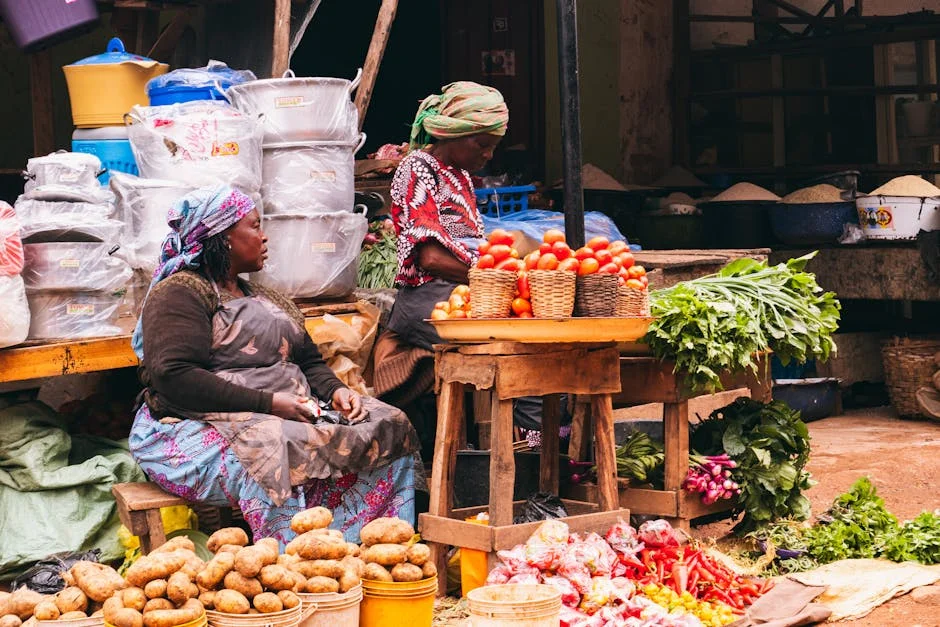
The land reform budget is expected to stimulate local economies by encouraging agricultural productivity among previously disenfranchised communities. By providing financial support and technical assistance to smallholder farmers, the government hopes to boost food production and create jobs. Rural areas, which are often economically disadvantaged, stand to benefit the most from increased agricultural output.
Local farmers in the Eastern Cape, a region that has faced persistent poverty and unemployment, are already expressing optimism about the new funding. Community leader Sipho Ngwane stated, "This budget gives us hope that we can finally own the land that belongs to us and farm it sustainably to support our families. Our communities need this change to thrive."
Challenges of Implementation
Despite the ambitious goals, several challenges remain. Critics of the land reform process have raised concerns about the government's capacity to implement these plans effectively. Questions around bureaucratic inefficiency and land tenure security may hinder progress. Observers warn that without a clear execution strategy, the funding could fail to translate into tangible benefits for rural communities.
The ANC must also navigate political opposition that questions the feasibility of its land reform agenda. The focus on redistribution is polarising, particularly among those who believe it could lead to further economic instability if not managed properly.
Community Responses and Engagement
In response to the budget announcement, various community organisations are mobilising to ensure local voices are heard in the land reform process. Initiatives are being planned to educate citizens about their rights and opportunities arising from the new budget. Activists and community leaders are keen to participate actively in consultations with the government.
Local workshops, like those recently held in KwaZulu-Natal, aim to inform citizens about the specifics of the budget allocation and how they can engage with the government for benefits. Organiser Thandeka Moyo remarked, "We cannot let this opportunity pass without making our voices heard. Our communities need to be at the forefront of these changes that will shape our futures."
What’s Next for South Africa?
The government’s next step involves tabling the proposal in Parliament, where it will require approval before implementation. This process will occur in the coming weeks, and advocates for land reform are urged to remain vigilant and proactive.
As South Africa embarks on this ambitious land reform agenda, communities are advised to stay informed about developments. This significant financial investment represents a potential turning point for rural development and could redefine ownership patterns in the country. The upcoming deliberations in Parliament will be pivotal as citizens hold their leaders accountable for promises made under the new budget.
See Also
- South Africa Sees Iconic 90-Year-Old Company Collapse — Communities Face Uncertainty
- Gayton McKenzie Dissolves National Arts Council — Artists Fear Funding Crisis