On May 27, 2026, Africa Today announced a remarkable 5% economic growth across the continent, raising concerns for Nigeria's struggling economy. With this development, local communities must brace for changes in trade dynamics and resource allocation that could directly affect daily life.
Nigeria's Economic Landscape Faces Uncertainty
As Africa Today reveals impressive growth figures, Nigeria’s economy shows signs of stagnation, particularly in sectors heavily reliant on imports. The latest report highlights the disparity in growth rates, with neighbouring countries seeing increased foreign investment and trade opportunities.
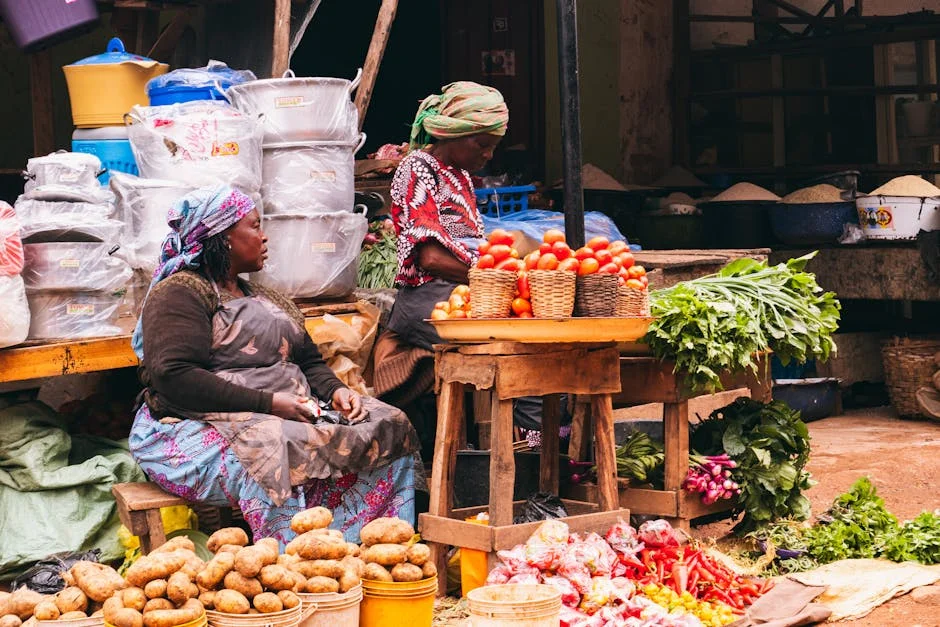
Local businesses in Lagos and Abuja, for example, are already feeling the pinch. According to the National Bureau of Statistics, Nigeria's GDP growth rate has stagnated at just 1.5% over the past year, starkly contrasting the positive trends noted in other African nations. This stagnation raises critical questions about job security and economic viability for citizens.
The Impact on Citizens and Communities
Citizens across Nigeria may face rising prices for basic goods as Africa’s stronger economic performance attracts investment away from Nigeria. With food inflation already hovering around 18%, the potential for increased costs could strain household budgets further.
In response, community leaders are urging the government to implement immediate measures to stabilise the economy and support local industries. Failure to act could lead to widespread dissatisfaction among citizens who expect their government to provide economic stability.
Regional Trade Dynamics Shift
Africa Today’s report indicates that South Africa, Kenya, and Ghana are now leading the way in attracting foreign investments, compelling Nigeria to rethink its regional trade approach. The Nigeria Export Promotion Council has expressed concern over the shifts, fearing that local businesses might lose competitive advantage.
For example, while South Africa secured $2 billion in foreign direct investment last year, Nigerian industries report declining export figures. This shift indicates a broader regional trend that could disrupt Nigeria's long-standing dominance in West Africa.
Citizens Demand Action
In light of the shifts highlighted by Africa Today, citizens are increasingly vocal about their economic frustrations. In cities like Port Harcourt and Kano, protests have emerged as citizens demand better economic policies. Activists argue that government priorities must shift towards supporting local businesses to prevent further economic decline.
The Nigeria Labour Congress has announced plans to organise nationwide rallies to pressure the government for reforms. Workers in various sectors are concerned about job security, particularly as competing nations enhance their economic foothold.
Potential Solutions on the Horizon
In response to these economic challenges, the Nigerian government is expected to propose a new economic stimulus package aimed at revitalising local industries. The Minister of Finance, Zainab Ahmed, confirmed that discussions regarding these measures are underway to address the economic stagnation.
Moreover, there is a growing call for investment in infrastructure and technology to enhance productivity. If these plans come to fruition, they could significantly influence how Nigeria interacts with its African neighbours moving forward.
Looking Ahead: What to Watch
As Nigeria grapples with these economic developments, stakeholders will closely monitor the government’s response to the findings from Africa Today. The upcoming budget announcement in June will provide critical insights into the government’s strategy to stimulate growth and support local communities.
The timeline for these initiatives will determine how Nigeria can navigate the shifting economic landscape of Africa and potentially recover lost ground in regional trade dynamics.
See Also
- Wales Beat Ghana 2-1 in Friendly — And Nigerian Fans Are Watching Closely
- Dangote Rejects NNPC Offer — Fuel Prices Set for Volatility
This shift indicates a broader regional trend that could disrupt Nigeria's long-standing dominance in West Africa.Citizens Demand ActionIn light of the shifts highlighted by Africa Today, citizens are increasingly vocal about their economic frustrations. In cities like Port Harcourt and Kano, protests have emerged as citizens demand better economic policies.