In 2010, South Africa made history by hosting the first African FIFA World Cup, a landmark event that transformed the nation's global image and had lasting effects on local communities. The tournament, held from June 11 to July 11, drew millions of visitors from across the globe, showcasing the vibrant culture and resilience of South Africans. Notably, Siphiwe Tshabalala's opening goal against Mexico on June 11 remains a symbol of national pride.
Economic Impact of the World Cup
The 2010 World Cup brought unprecedented economic benefits to South Africa. Estimates suggest the tournament generated approximately $4.2 billion in revenue, significantly boosting tourism and local businesses. Cities like Johannesburg and Cape Town saw a surge in visitors, with hotels fully booked and restaurants bustling during the month-long event.
Local vendors also experienced an uptick in sales. In the bustling streets of Soweto, small businesses thrived as tourists flocked to the area, eager to taste authentic South African cuisine and purchase handcrafted souvenirs. This economic boost provided much-needed relief for many communities still recovering from the lasting impacts of apartheid.
Social Changes and Community Development
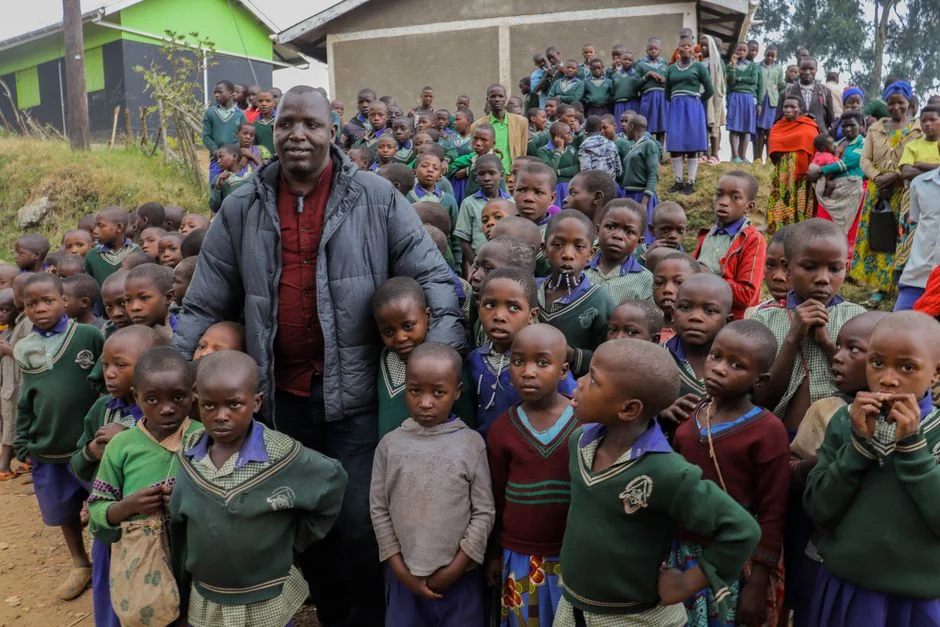
The legacy of the 2010 World Cup goes beyond economics; it also fostered significant social change. Sports facilities built for the event became community hubs where young people could engage in various sports activities. Initiatives promoting sports in schools increased participation rates, inspiring a new generation of athletes.
Non-profit organizations, such as the South African Sports Association, began focusing on youth development in sports. They have reported a 30% rise in participation in football, cricket, and rugby among underprivileged youth since the World Cup. This shift not only contributes to physical health but also teaches important life skills like teamwork and discipline.
Cultural Significance and National Unity
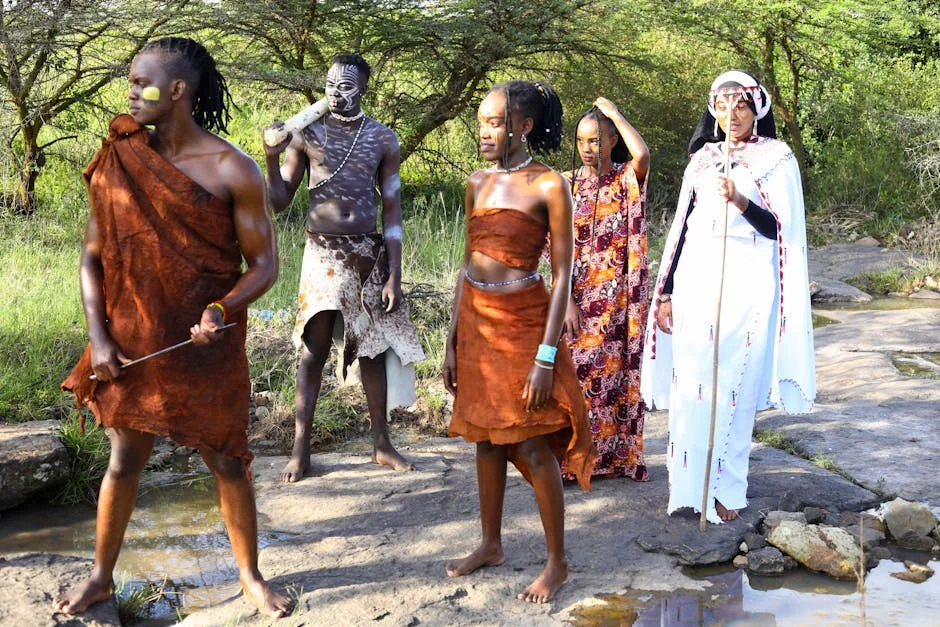
Hosting the World Cup played a crucial role in uniting a diverse nation. The event served as a platform for showcasing South Africa's rich cultural heritage, with local artists performing at matches and cultural festivals held across the country. The buzz surrounding the tournament fostered a sense of national pride and solidarity among citizens.
In particular, the opening ceremony celebrated South Africa's history, featuring traditional music and dance. This moment resonated deeply with citizens, rejuvenating a collective spirit that had been dormant for years. The sense of unity invigorated communities, encouraging collaboration on various local projects.
Global Recognition and Future Events
The success of the 2010 World Cup positioned South Africa as a viable host for future global sporting events. It paved the way for increased foreign investment and tourism initiatives aimed at promoting the country. In 2016, South Africa hosted the International Rugby World Cup Sevens, building on the momentum created by the FIFA event.
Moreover, subsequent events have focused on harnessing the inspirational energy generated by the tournament. Initiatives to promote grassroots sports among youth are being developed and supported by local governments and international sponsors.
Continued Challenges and Opportunities
Despite the positive legacy, South Africa still faces challenges. Issues such as unemployment and inequality persist, particularly in low-income communities. However, the framework established during the World Cup continues to provide opportunities for growth.
Local organizations are leveraging this legacy, seeking funding and support to develop more sports programs aimed at youth empowerment. The goal is to ensure that the World Cup's impact is not just a fleeting moment in history but a stepping stone towards a brighter future.
What to Watch Next
As South Africa continues to celebrate the legacy of the 2010 World Cup, attention turns to upcoming events. The country is eyeing potential bids for future international tournaments, with an emphasis on sports development that uplifts communities. The next few years will be crucial in shaping how this legacy is translated into tangible benefits for citizens across the nation.
See Also
- Nigeria Launches Abula Championship — Reviving Yoruba Culture and Community Spirit
- Iran Warns Lebanon Strikes Could Ignite Regional Conflict — What’s at Stake?
The goal is to ensure that the World Cup's impact is not just a fleeting moment in history but a stepping stone towards a brighter future.What to Watch NextAs South Africa continues to celebrate the legacy of the 2010 World Cup, attention turns to upcoming events. The buzz surrounding the tournament fostered a sense of national pride and solidarity among citizens.In particular, the opening ceremony celebrated South Africa's history, featuring traditional music and dance.