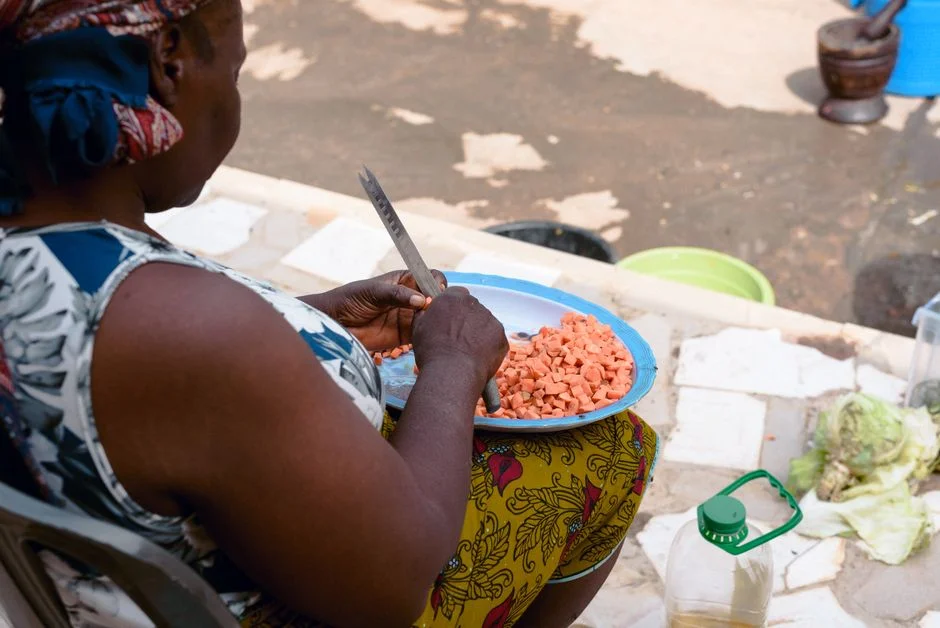
For South African households navigating soaring food costs, chicken has emerged as the most accessible source of protein. Retail data shows whole frozen chickens now retail between 45 and 65 rand at major supermarket chains, making them significantly cheaper than beef, pork, or fresh fish. The shift marks a fundamental change in how families across Johannesburg, Cape Town, and Durban are structuring their weekly meals.
The Price Gap Widens
Beef mince now costs nearly double what chicken does per kilogram in most South African outlets. A 500-gram pack of beef mince averages 89 rand, while the same weight in chicken portions typically sells for 48 rand. These figures come from the latest consumer price tracking by FoodForward SA, a nonprofit that monitors food security across the country.
What Families Are Cooking
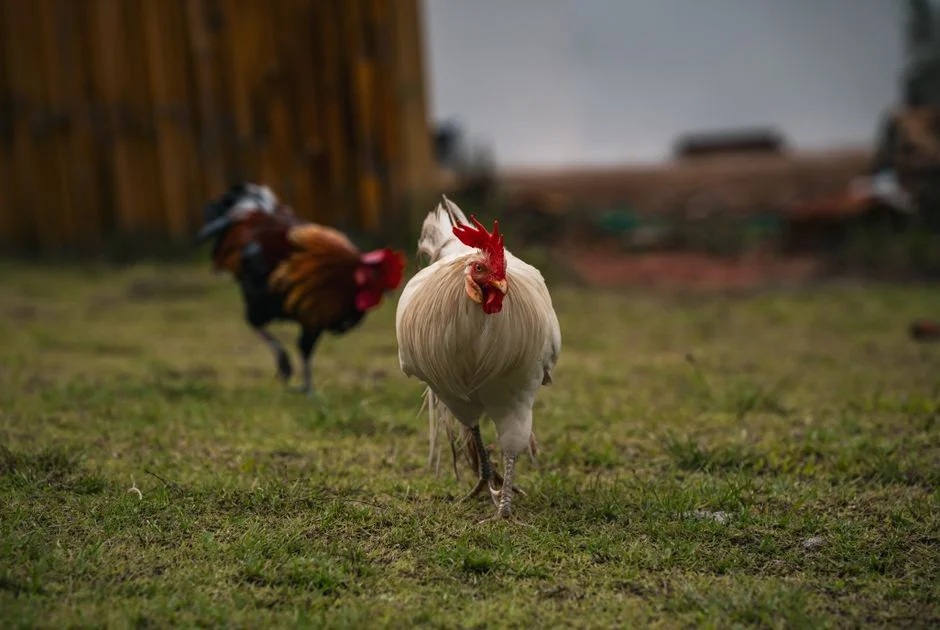
Community feeding schemes in Gauteng province have shifted entirely toward chicken-based menus. Nandi Khumalo, coordinator at the Yeoville Community Kitchen, confirmed her organisation now serves chicken stew with pap three times weekly. "Two years ago, we could afford mince occasionally. Now we stretch every rand with chicken," Khumalo said. The kitchen feeds roughly 200 people daily using donations sourced from bulk poultry suppliers.
Budget Cooking Methods
Home cooks across South Africa are turning to slow-cooking techniques that tenderise cheaper chicken cuts. Township households in Soweto and Langa have popularised a method of braaiing chicken necks and wings over charcoal, a tradition that predates the current inflation surge but has gained new relevance as these cuts remain among the lowest-priced options. Food blogger Thandi Mkhize, who runs the account SavvyBudgetKitchen from her home in Pietermaritzburg, recently shared a recipe for spiced chicken feet curry that garnered 12,000 shares on social media.
The Nutrition Question
Health professionals caution that relying heavily on one protein source carries risks. The Heart and Stroke Foundation South Africa notes that chicken, while lower in saturated fat than red meat, still requires balanced pairing with vegetables and legumes. Dietitians recommend combining chicken with beans or lentils to create complete meals that meet daily protein requirements without straining household budgets.
Supply Chain Pressures
South Africa's poultry industry faces its own challenges. Avian influenza outbreaks in Mpumalanga and Western Cape provinces last year culled millions of birds, tightening supply temporarily. The Department of Agriculture, Land Reform and Rural Development reported that egg prices rose 22 percent in the twelve months to March, pressuring both consumers and food manufacturers. These disruptions have since stabilised, but producers warn that feed costs remain volatile.
Comparing Protein Options
Dry beans and lentils offer the cheapest protein per kilogram in South African markets, sometimes falling below 30 rand for a kilogram of dried pulses. However, these require longer preparation times and cooking fuel, costs that offset their raw price advantage for time-poor households. Eggs remain competitive at roughly 75 rand for a tray of 30, but their price has climbed steadily since 2023.
Regional Variations
Prices fluctuate considerably between provinces. Consumers in rural Eastern Cape communities report chicken prices up to 15 percent higher than in urban centres, reflecting transportation costs and thinner retail competition. Informal settlements near Durban show the starkest disparities, where street vendors often charge premium rates for any fresh protein. The Pietermaritzburg Economic Justice and Dignity Group tracks these regional differences monthly, publishing findings that inform local government assistance programmes.
Looking Ahead
South African consumers face another round of electricity tariff increases from Eskom beginning in April, adding pressure to food preparation costs. Agricultural analysts at the Bureau for Food and Agricultural Policy project chicken prices will remain stable through mid-year before seasonal demand increases during winter. Food charity organisations expect demand at feeding programmes to climb further unless wages track inflation more closely. Households are advised to explore bulk purchasing cooperatives gaining traction in suburban areas around Pretoria and Bloemfontein, where groups of neighbours pool resources to buy whole chickens at wholesale rates.
See Also
- Traders Warn of Market Volatility as 10 Stocks Fall Below 200 DMAs
- Iran's Political Crisis Sparks Anxiety, Regional Ripple Effects
Consumers in rural Eastern Cape communities report chicken prices up to 15 percent higher than in urban centres, reflecting transportation costs and thinner retail competition. Agricultural analysts at the Bureau for Food and Agricultural Policy project chicken prices will remain stable through mid-year before seasonal demand increases during winter.