Immigrants working in South Africa's agricultural sector produce a substantial portion of the country's food supply, according to research released this week by the Human Sciences Research Council. The findings challenge assumptions about who keeps South Africa's farms running and dinner tables full. The research focused on key farming regions including Limpopo, Western Cape, and Mpumalanga, where foreign nationals have become integral to daily operations on fruit, vegetable, and grain operations.
Agricultural sector depends on foreign labour
Farmers in South Africa's fertile growing regions have relied on immigrant workers for years. In Limpopo, where subtropical fruits and vegetables dominate production, producers say they cannot fill positions with local workers even during peak harvest seasons. The Western Cape's fruit export industry, which supplies international markets with grapes and citrus, depends heavily on seasonal labour drawn from neighbouring countries. Researchers found that immigrant workers occupy roles at every level, from field picking to equipment operation and farm management.
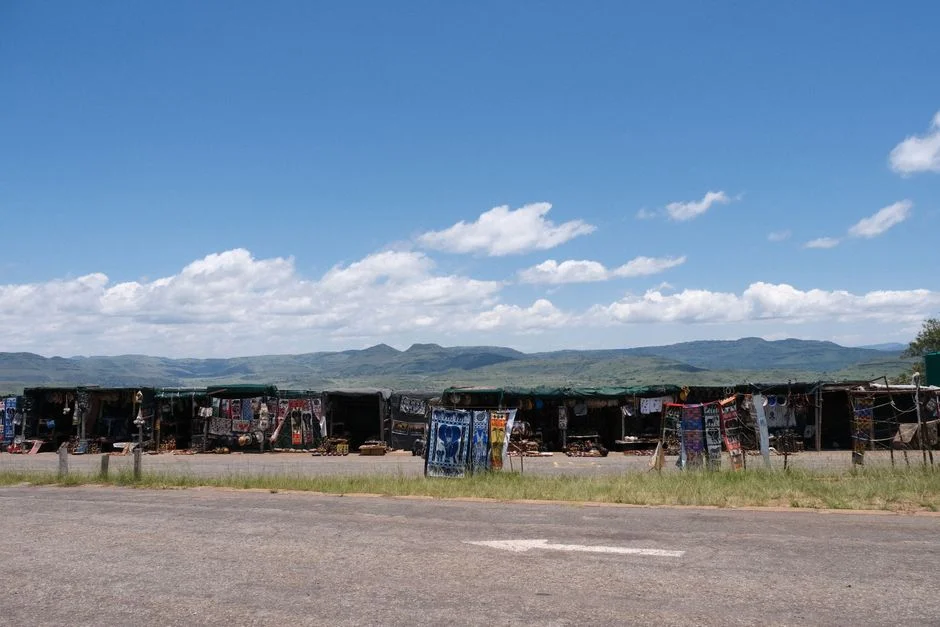
The research noted that South Africa's agricultural sector has long attracted workers from Zimbabwe, Mozambique, Lesotho, and Zambia. These workers often accept positions that local South Africans decline due to working conditions or wage levels. The HSRC study, conducted over 18 months across six provinces, documented how farms would face immediate labour shortfalls if immigrant workers left. Provincial agricultural unions have echoed these concerns in submissions to parliament.
Food security implications
Food security analysts have long warned that South Africa faces a paradox. The country possesses significant agricultural potential but struggles with unemployment alongside labour shortages in farming. The HSRC research suggests immigrants bridge this gap, allowing farms to operate at levels that sustain domestic food supplies. Without immigrant labour, certain crops would become unviable to produce domestically, increasing reliance on imports or reducing variety in local markets.
In Mpumalanga, where maize and sugar cane dominate, farmers reported that immigrant workers provided the consistency needed for year-round operations. Local seasonal workers often leave for urban areas after short periods, creating turnover that disrupts production cycles. The research documented how labour stability directly affects crop quality and yield, with farms employing stable immigrant workforces showing lower waste rates during harvests.
Policy changes threaten production
The findings arrive as South Africa's government considers stricter immigration policies. The Department of Home Affairs has signalled plans to tighten requirements for foreign workers, including more rigorous documentation checks and limits on seasonal work permits. Agricultural industry groups have lobbied against proposed restrictions, arguing they would devastate production in regions already struggling with labour availability. The South African Fruit Producers Association, representing major exporters, submitted modelling showing output could fall by as much as 30 percent if labour shortages worsened.
Rural communities near farming areas have noticed the shift. In towns surrounding major fruit operations, immigrant workers have become part of the social fabric, patronising local businesses and paying rent in communities where vacancies are common. Researchers noted that remittances sent home by immigrant workers also represent a significant flow of capital across southern Africa, though precise figures remain difficult to verify.
Government response and public debate
Home Affairs Minister Leon Schreiber addressed the tensions in remarks to parliament last month, acknowledging the agricultural sector's concerns while emphasising the need for orderly migration. He pointed to a new electronic tracking system for seasonal workers as a compromise that would allow continued access to foreign labour while improving oversight. The minister told lawmakers that the government would consult further before implementing any changes affecting agricultural employers.
Public opinion on immigration in South Africa remains divided. Opinion surveys show frustration with unemployment alongside recognition that certain industries depend on foreign workers. Community organisations in farming areas have attempted to bridge the divide, organising dialogue sessions between locals and immigrants. The conversations often surface shared concerns about wages, working conditions, and the future of rural economies.
What happens next
Consultations between agricultural stakeholders and the Department of Home Affairs are scheduled to continue through the northern hemisphere summer. Legislation amending work permit rules for the agricultural sector could reach parliament by the end of the year. Farmers are watching closely, with some delaying investments in expanded production until they understand what labour rules will apply. Agricultural economists warn that uncertainty itself creates costs, as farms hesitate to commit to planting schedules without knowing what workforce will be available.
See Also
- US Senate Halts Trump's $400m Ballroom — Global Markets React
- South Africa Faces Growing Xenophobia — Impacting Local Communities Daily