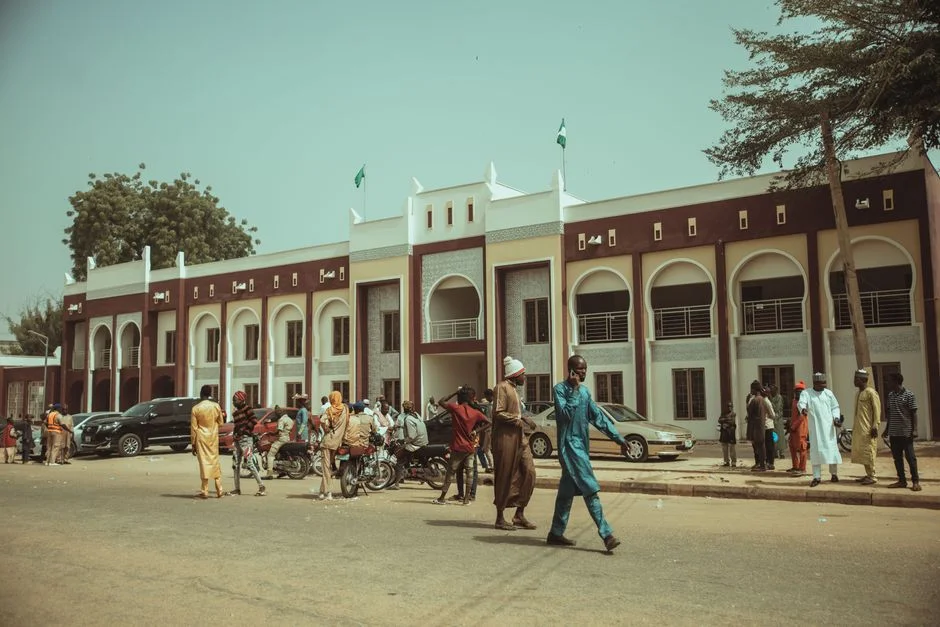
Gunmen executed seventeen Nigeria Police officers in a coordinated ambush on a military installation, sending shockwaves through the security forces and local communities. The attack targeted an Army School, a strategic location that had recently been reinforced to bolster regional stability. This brutal assault highlights the escalating vulnerability of security personnel operating in high-risk zones.
The Brutal Ambush on the Army School
The violence erupted when insurgents launched a surprise assault on the Army School facility. Reports indicate that the attackers used heavy weaponry and tactical coordination to overwhelm the initial defense lines. The Nigeria Police officers were stationed there as part of a joint task force aimed at curbing banditry and insurgency in the area. Witnesses described scenes of chaos as bullets rained down on the compound.

Security sources confirm that the engagement was fierce and lasted for several hours. The terrorists exploited gaps in the perimeter defense to penetrate the school grounds. This incident marks one of the deadliest single-day losses for the police force in recent months. The choice of an Army School as a target suggests a strategic move by insurgents to strike at the heart of military-police cooperation.
Immediate Aftermath and Casualty Count
Official statements from the Nigeria Police Force confirmed the death toll of seventeen officers. Many of these officers were seasoned veterans with years of service in the region. Their families are now left to grapple with the sudden loss of breadwinners and protectors. The confirmation of the casualties has triggered a formal mourning period within the force.
The bodies of the fallen officers were recovered from the site after the smoke cleared. Medical teams rushed to the scene to stabilize the wounded, but the intensity of the firefight left many with critical injuries. The loss of such a significant number of personnel in one go is a severe blow to morale. It also raises urgent questions about the adequacy of intelligence and preparedness.
Community Fear and Social Disruption
The attack has directly affected citizens living near the Army School. Residents report a palpable sense of dread as the proximity of the ambush brings the war closer to their doorsteps. Daily routines have been disrupted by sudden curfews and the constant hum of patrol vehicles. Market activities have slowed down as traders fear further incursions by the terrorists.
Local leaders have expressed deep concern over the safety of their constituents. The community relies on the police and army for protection against kidnappers and raiders. This breach of security has eroded that sense of safety. Parents are keeping their children indoors, and businesses are closing earlier than usual to avoid the evening rush.
The social fabric of the region is under strain. Trust in the security apparatus is waning as residents question how an Army School could be so easily penetrated. Community meetings have been convened to discuss immediate safety measures. These gatherings are often tense, with citizens demanding clearer communication from the security agencies.
Economic Impact on Local Markets
The economic repercussions of the attack are already visible in the local economy. Small businesses that depend on foot traffic are seeing a sharp decline in revenue. The uncertainty surrounding the security situation has led to a temporary halt in several local trade routes. Farmers are hesitant to bring their produce to the market due to fears of ambush on the roads.
Prices of essential goods are beginning to rise as supply chains face disruption. Transporters are demanding higher fares to compensate for the increased risk on the roads. This inflationary pressure falls heavily on the average citizen, who is already struggling with broader economic challenges. The local market, usually a hub of activity, now feels quieter and more cautious.
Investment in the region may also take a hit. Potential investors are likely to view the area as a high-risk zone following the attack. This could lead to a slowdown in local development projects and job creation. The economic stability of the community is inextricably linked to the security environment. When security wavers, the economy follows suit.
Security Response and Strategic Adjustments
The Nigeria Police Force has launched a comprehensive investigation into the attack. High-ranking officers have visited the site to assess the damage and gather evidence. The military has also increased its presence in the surrounding areas to deter further attacks. This joint response aims to restore order and send a message to the insurgents.
Intelligence agencies are working overtime to identify the perpetrators. The goal is to track down the commanders who planned and executed the ambush. This requires a deep dive into communication intercepts and witness testimonies. The speed of the response will be crucial in preventing a retaliatory strike.
Strategic adjustments are being considered to prevent similar incidents. The security forces are reviewing the deployment patterns at key installations. There is a recognition that static defenses are no longer sufficient against mobile and well-armed insurgents. Flexibility and rapid response capabilities are now seen as critical components of the defense strategy.
Challenges in Intelligence Gathering
One of the main challenges is the fluid nature of the terrorist groups. They operate with a high degree of mobility and often use local guides to navigate the terrain. This makes it difficult for security forces to predict their next move. The intelligence gap must be bridged through better community engagement and technology.
Local informants play a vital role in providing real-time updates. However, the fear of reprisal often silences potential witnesses. Building trust with the community is essential for effective intelligence gathering. Security forces must ensure that informants are protected and that their information leads to tangible results.
Long-Term Implications for Regional Stability
The attack on the Army School has broader implications for regional stability. It demonstrates the growing boldness of terrorist groups in targeting high-value military assets. If not checked, this trend could lead to more frequent and larger-scale attacks. The security landscape in the region is becoming increasingly complex.
The psychological impact on the security forces is also significant. The loss of seventeen officers in one day is a heavy burden for the Nigeria Police Force. Morale must be boosted through recognition and support for the families of the fallen. This will help maintain the fighting spirit of the remaining personnel.
Regional cooperation will be key to addressing the threat. Neighboring states and security agencies must share intelligence and resources more effectively. The terrorist groups often cross borders to escape pursuit. A coordinated regional response can help corner these insurgents and reduce their operational freedom.
What to Watch Next
Residents and observers should watch for the official press briefing from the Nigeria Police Force. This briefing will provide more details on the investigation and the identity of the suspects. The timing of this announcement will indicate the speed of the security response. It will also offer insights into the strategic adjustments being made.
The coming weeks will be critical in determining the stability of the region. Security forces will likely increase patrols and set up new checkposts. Citizens should stay informed about curfew times and road closures. The community's response to these measures will influence the overall security environment.
Long-term, the focus will be on rebuilding trust between the security forces and the local population. This requires transparency and consistent communication. The Nigeria Police Force must demonstrate that the lessons from this attack have been learned. Only then can the region move towards a more stable and secure future.
See Also
- Lesotho Reveals Stunning Hidden Gems — Why Africa Must Be Your Next Destination
- Governor Mbah Urges Enugu Residents to Claim Their Achievements in State Development