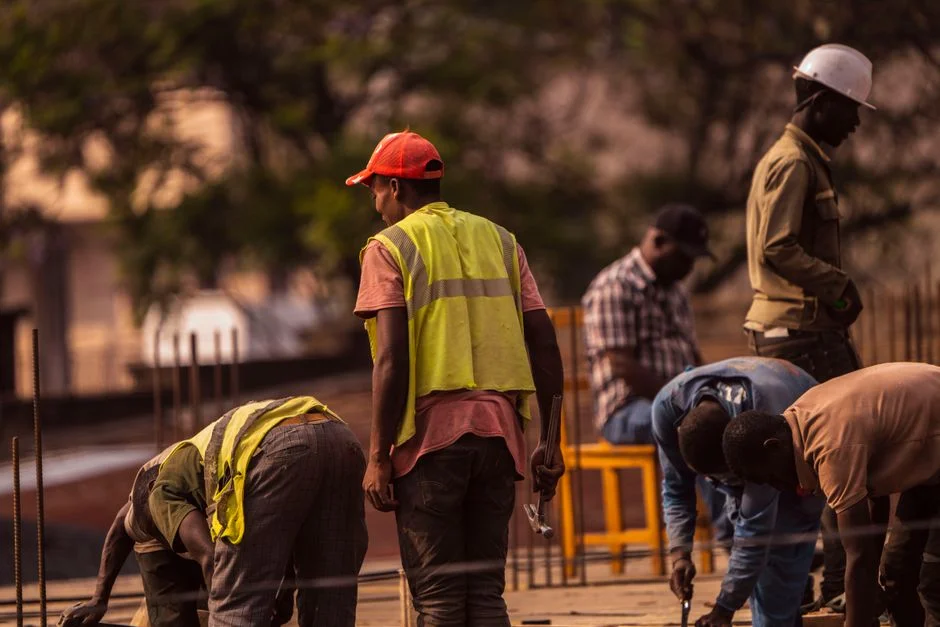
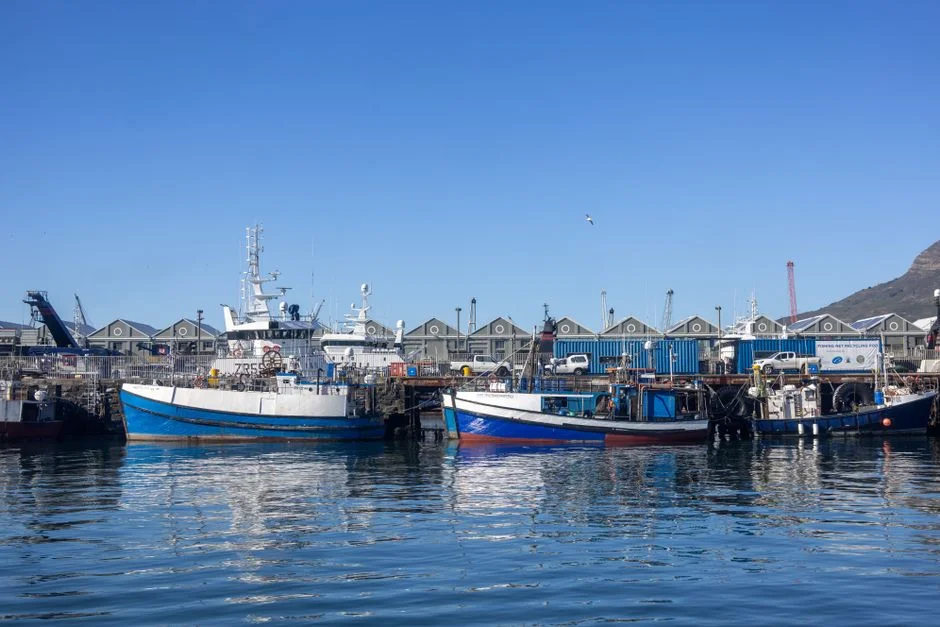
South Africa's housing deficit has reached 2.6 million units, leaving millions of families without adequate shelter and placing immense pressure on urban infrastructure across the country. The shortfall represents one of the most acute housing shortages on the African continent, driven by rapid urbanisation, rising construction costs, and decades of policy gaps. Communities in major metropolitan areas report years-long waiting lists for state-provided housing, while informal settlements continue to expand around cities like Johannesburg, Cape Town, and Durban.
The Scale of South Africa's Housing Gap
For years, South Africa has struggled to close the gap between demand and supply. The 2.6 million figure reflects not just the homes that need to be built, but the quality of existing stock that remains uninhabitable. Many families currently occupy structures that lack basic services such as running water, sanitation, or reliable electricity. The government has built millions of subsidised homes since the end of apartheid, but the pace has consistently fallen short of population growth and urban migration.
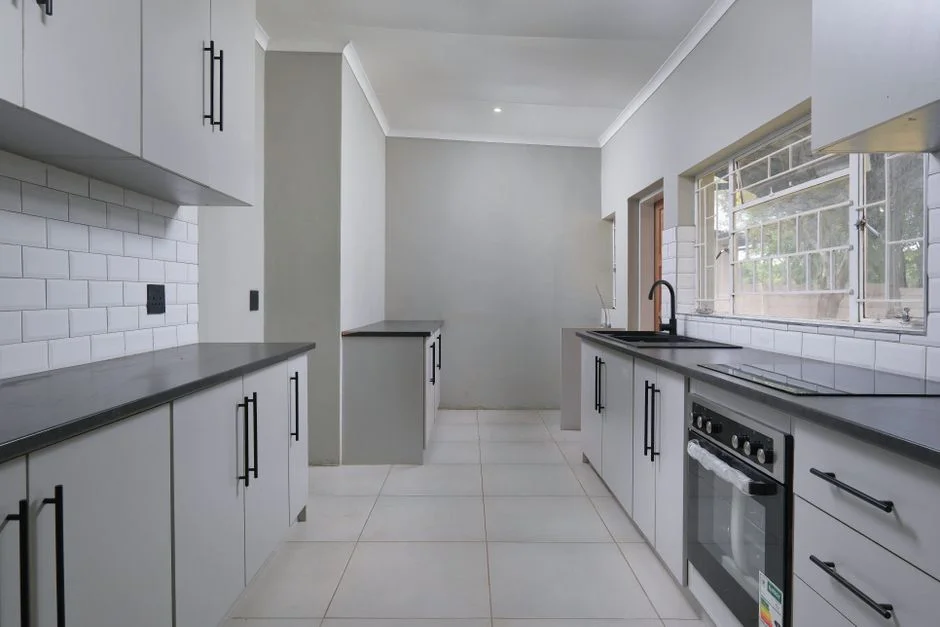
Johannesburg alone hosts hundreds of informal settlements, some housing tens of thousands of residents in corrugated metal structures on vacant land. These communities often face regular evictions, fire risks, and limited access to healthcare or schools. Residents frequently describe years of waiting for any government intervention, with little certainty about their future.
Why the Shortage Persists
Construction industry analysts point to several converging problems. Building material costs have risen sharply, making it difficult for both government and private developers to scale up output. The government-subsided housing programme, known as the Reconstruction and Development Programme, has been plagued by delays, quality concerns, and allegations of corruption in procurement.
Land availability in urban centres presents another obstacle. Municipalities often own land far from economic opportunities, while privately held land in central locations remains expensive or tied up in legal disputes. Without coordinated land release and servicing, development cannot keep pace with demand.
The Human Cost of Inadequate Housing
For ordinary South Africans, the housing shortfall translates into overcrowding, long commutes, and financial strain. Families who qualify for state assistance routinely wait a decade or more before receiving a subsidised unit. In the interim, many rent informally in areas that lack basic infrastructure or pay high prices for substandard accommodation.
Healthcare workers and educators note the direct health impacts of poor housing. Respiratory illnesses spread more easily in crowded conditions. Children struggle with homework without adequate space or lighting. The lack of formal addresses creates barriers to opening bank accounts, obtaining identification documents, or accessing social grants.
Government Response and Funding Pressures
The national Department of Human Settlements has acknowledged the scale of the challenge but faces competing budget pressures. Funding for new construction has not grown in real terms, while maintenance of existing government stock requires ongoing expenditure. Provincial governments, which handle delivery, report shortages of technical staff and project management capacity.
Some municipalities have experimented with public-private partnerships to accelerate development. These models aim to blend subsidised units with market-rate housing, using cross-subsidy mechanisms to make projects financially viable. Results have been mixed, with critics arguing that such approaches often exclude the poorest households.
What Comes Next
Policymakers are under pressure to present a credible plan before the next budget cycle. The national treasury has signalled that any new housing strategy must demonstrate value for money and measurable outcomes. Community organisations are demanding greater transparency in how subsidies are allocated and calls for involving residents in planning decisions.
The coming months will test whether the government can translate commitments into completed units. With 2.6 million families still waiting, the gap between promise and delivery remains wide. Observers say the next annual performance review will be a critical checkpoint for assessing whether current approaches can make meaningful inroads into the deficit.
See Also
- Nigeria Kidnaps Over 50 Schoolchildren, Including Toddlers in Borno Disaster
- Wealthbit Four Warns Financial Stress Is Bleeding Workplace Productivity
Healthcare workers and educators note the direct health impacts of poor housing. Results have been mixed, with critics arguing that such approaches often exclude the poorest households.
What is the latest news about south africa faces 26 million home shortfall as housing crisis deepens?
Why does this matter for environment-nature?
What are the key facts about south africa faces 26 million home shortfall as housing crisis deepens?