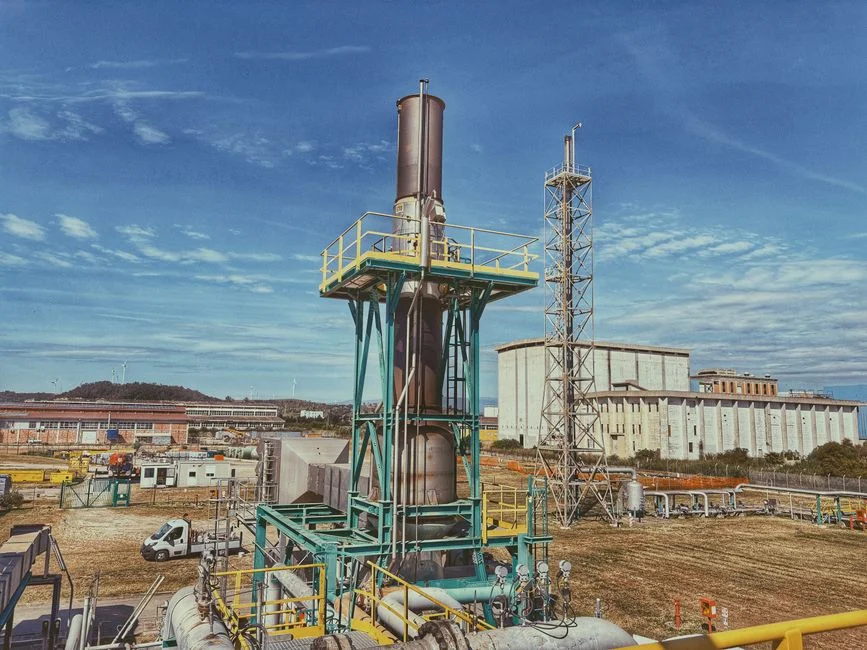
A leaked internal Shell report reveals the company continued operating a major Nigerian pipeline for years after its own engineers raised alarms about pollution risks, according to a Premium Times investigation published this week. The document shows Shell officials knew about potential environmental damage as early as 2016 but maintained operations at the facility in the Niger Delta region for several more years. The revelation has sparked outrage among local communities already grappling with oil contamination of their farmland and waterways.
What the Report Found
Premium Times obtained a confidential Shell internal assessment detailing concerns raised by the company's own environmental team about the pipeline infrastructure. The document, dated 2016, flagged potential failures in corrosion monitoring systems and recommended immediate inspection protocols. Despite these warnings, Shell kept the pipeline operational until 2021, five years after internal reviewers first flagged problems. The company has not publicly explained why the recommended inspections never took place or why operations continued despite the flagged risks.
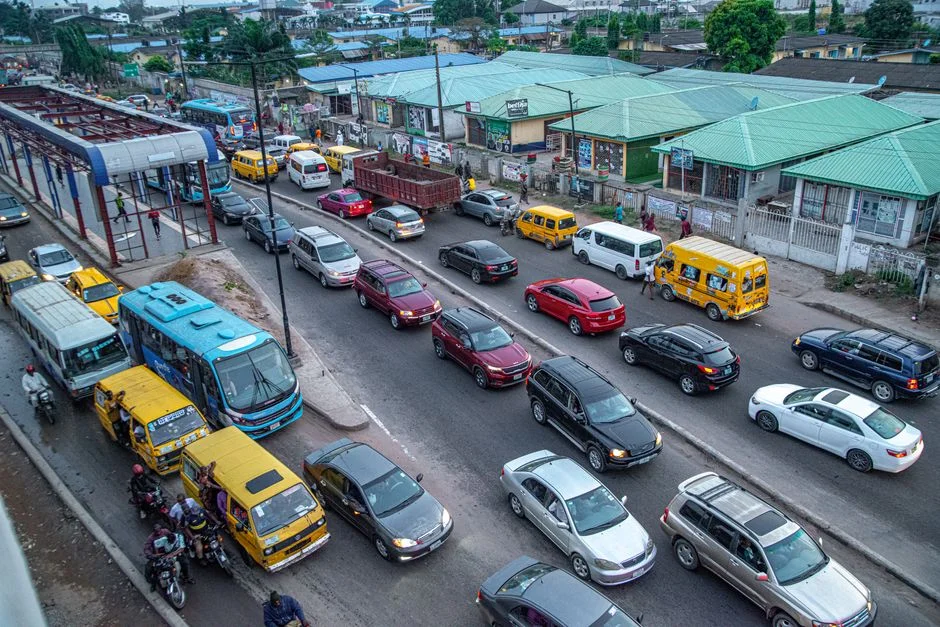
Community Impact in the Niger Delta
Residents of the affected area say oil spills from the pipeline have devastated fishing grounds and poisoned farmland that families have relied on for generations. In the village of Okordie, fishermen reported catches falling by more than half since 2019, according to local community leaders. The contamination has forced some families to abandon agricultural work entirely, creating economic hardship in a region already struggling with high unemployment. Water sources that communities once trusted have become unsafe, with local health workers documenting increases in skin conditions and respiratory complaints among residents.
Long-Term Health Concerns
Environmental health experts studying the region have linked ongoing oil exposure to elevated rates of cancer and reproductive problems in communities near pipeline infrastructure. Doctors at a clinic in the nearest town, Warri, said they have seen a sharp increase in patients reporting symptoms consistent with chemical exposure over the past three years. The clinic, which serves approximately 15,000 people, lacks equipment to properly test for oil-related contaminants in patients' systems.
Shell's Response to the Findings
Shell spokesperson Finecoat Ikyeghwar confirmed the company received the internal assessment but disputed characterisations of the pipeline as unsafe. In a written statement, the company said all operations complied with Nigerian regulations and international standards. The spokesperson declined to explain why the 2016 recommendations were not implemented or why operations continued for five years after internal warnings. Shell pointed to independent audits conducted in 2019 and 2020 as evidence of satisfactory pipeline condition, though these audits were not mentioned in the internal documents obtained by Premium Times.
Regulatory Questions
Nigerian regulators have faced criticism for failing to independently verify Shell's compliance claims. The Department of Petroleum Resources, the government body responsible for overseeing pipeline safety, told Premium Times it had no record of receiving the internal Shell assessment. The department acknowledged that companies are required to self-report safety concerns but admitted it has limited capacity to conduct unannounced inspections of remote pipeline sections. This gap means regulators often rely entirely on company submissions when assessing environmental risks in the Niger Delta.
Legal and Compensation Claims
Lawyers representing affected communities say they are preparing to seek compensation for years of alleged contamination. The Legal Aid Council, a government body that provides legal services to disadvantaged Nigerians, confirmed it has received petitions from three communities requesting assistance with potential claims against Shell. A court case filed in 2022 by farmers from the Okordie area remains pending, with lawyers arguing the company should have known about pipeline vulnerabilities and taken preventive action. Shell has asked the court to dismiss the case, arguing no direct link between company operations and community health issues has been proven.
What Happens Next
The Senate Committee on Petroleum Resources has announced it will hold public hearings on pipeline safety standards following the Premium Times reporting. Committee chair Senator Michael Olamiji said lawmakers want to understand why internal warnings apparently did not trigger regulatory notifications. The hearings are scheduled to begin in January. Environmental groups have called for mandatory disclosure of internal safety assessments to regulators within 30 days of completion. Shell has indicated it will participate in the Senate review process but has not committed to releasing the full internal documents that formed the basis of the Premium Times investigation.
See Also
- Nigeria Halts LGBT Rights Talks As Local Tensions Surge
- Ghana Freezes Repatriation Sign-Ups in South Africa — Thousands Left in Limbo
What is the latest news about shell ran nigeria pipeline for years after internal pollution warnings report?
Why does this matter for environment-nature?
What are the key facts about shell ran nigeria pipeline for years after internal pollution warnings report?