Nigeria is currently grappling with a staggering $100 billion annual infrastructure deficit, according to Dele Oye, a prominent figure in the country's economic discourse. To bridge this gap, experts estimate that a total of $2.3 trillion is required. This report not only sheds light on the extensive infrastructure needs but also highlights a critical shortfall in healthcare, with only 55,000 doctors available to serve a population exceeding 230 million.
Infrastructure Deficit: The Immediate Facts
The announcement of Nigeria's infrastructure deficit has sent ripples across various sectors, emphasizing the urgency for comprehensive reforms. The deficit represents funds needed to address a range of infrastructure shortcomings including roads, power supply, and public services. The scale of the infrastructure shortfall poses a significant risk to Nigeria's economic growth and development.
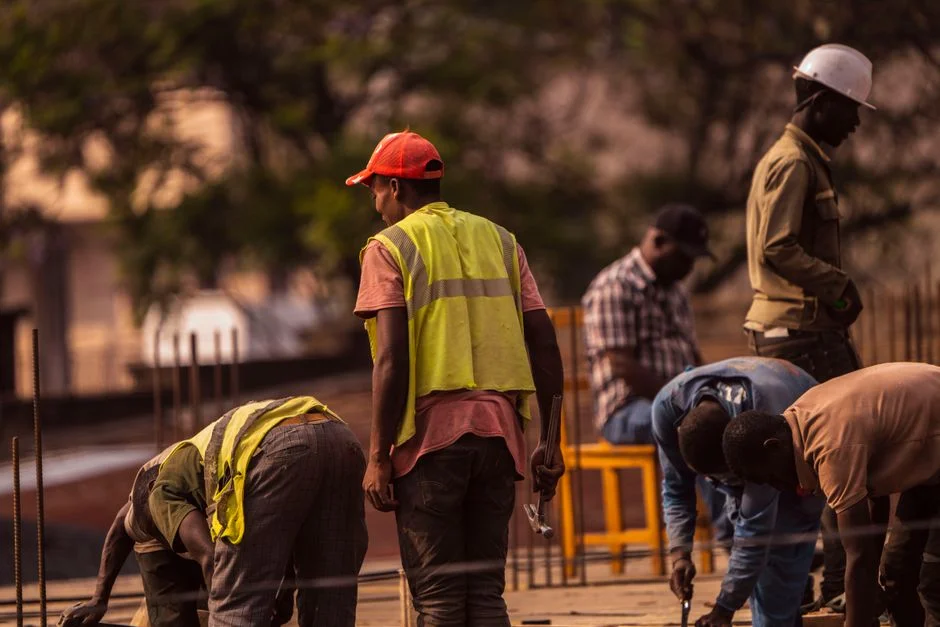
Dele Oye's statements underline that addressing this gap is not just an economic necessity but a matter of national priority. The lack of sufficient infrastructure is also contributing to the country's unemployment rates, as inadequate facilities deter investment and hinder industrial growth.
Historical Context of Nigeria's Infrastructure Challenges
Nigeria's infrastructure woes are deeply rooted in its history, with decades of underfunding and mismanagement contributing to the current state. Post-independence, the country witnessed periods of significant investment in infrastructure, but these efforts were often marred by political instability and corruption.
Throughout the 1980s and 1990s, infrastructure development stalled as resources were diverted or mismanaged. The return to civilian rule in 1999 brought renewed hopes, yet progress has been inconsistent. Investing in infrastructure is critical for sustainable growth, yet it often competes with other pressing national needs.
Why This Infrastructure Deficit Matters
The economic implications of Nigeria's infrastructure deficit are profound. A well-developed infrastructure network is essential for attracting foreign investment and boosting local enterprises. Furthermore, it directly impacts everyday life, affecting everything from transportation to healthcare delivery.
Comparatively, countries within the African region that have prioritized infrastructure investment, such as South Africa and Kenya, have reaped economic benefits. Nigeria's lagging infrastructure not only affects its competitiveness in the region but also limits its potential as Africa's largest economy.
Key Players and Their Track Records
Several key players are involved in addressing Nigeria's infrastructure challenges. The federal government, local authorities, and private sector stakeholders all have roles to play. However, the track record of past administrations reveals a mixed history of attempts to close the gap.
International financial institutions like the World Bank and African Development Bank have offered support, but domestic policy implementation remains crucial. Cooperation between these entities and transparent governance is essential for progress.
Reactions and Positions: Stakeholders Weigh In
In response to the reported deficit, stakeholders have expressed varied opinions. Many in the business community support increased investment in infrastructure, recognizing its potential to stimulate economic growth. However, there is also skepticism about the government's ability to effectively manage such large-scale investments.
Civil society groups and economists have called for more accountability and transparency in infrastructure projects. They argue that for any investment to be successful, it must go hand in hand with anti-corruption measures and a clear strategy for development.
Broader Implications: Connecting to Regional Trends
The infrastructure challenges in Nigeria are reflective of broader trends seen across many developing countries, where rapid population growth outpaces infrastructure development. The global focus on sustainable development goals emphasizes infrastructure as a key pillar for achieving economic stability and social equity.
As African countries continue to expand their economies, the need for robust infrastructure becomes even more critical. Nigeria, given its size and influence, has the potential to lead by example, yet it must navigate complex fiscal, political, and social landscapes to do so.
What Comes Next: Steps Towards Bridging the Gap
Looking forward, the Nigerian government is expected to outline detailed plans to attract both domestic and foreign investments in infrastructure. Initiatives could include public-private partnerships, government bonds, and international loans. However, the success of these plans will hinge on political will and policy consistency.
Upcoming budget proposals and legislative sessions will be crucial in determining how the government prioritizes infrastructure spending. Observers are keenly watching for signals on whether the government will adopt a more aggressive stance in tackling the deficit.
As Nigeria faces these challenges, stakeholders and citizens alike await concrete actions that will translate into tangible improvements in daily life and economic prospects.
See Also
- African Development Bank Confirms $4.2 Billion Fund to Finance Local Projects
- Standard Bank Exposes Africa's Logistics Failures — Poor Planning Costs Millions