Senator Marco Rubio told the Senate Armed Services Committee on Thursday that intelligence confirmed Iran was constructing a conventional shield to protect its nuclear facilities from air strikes. The hearing, which lasted nearly four hours, became the first public forum where senior US officials explained the legal and strategic basis for military action against Tehran.
What Rubio Told Senators
Rubio, who serves on the Senate Foreign Relations Committee, said the intelligence community provided classified briefings showing Iran spent approximately $2.3 billion over eighteen months constructing hardened bunkers and surface-to-air missile networks around its Fordow and Natanz sites. He described the construction as "a deliberate escalation" that left Washington with no viable diplomatic option.
"This was not about uranium enrichment alone," Rubio told senators. "Iran was building a fortress. They wanted to make their nuclear programme untouchable." The senator added that the shield would have rendered future military strikes "significantly more costly and far less effective" if action had been delayed beyond spring.
The US Military Action
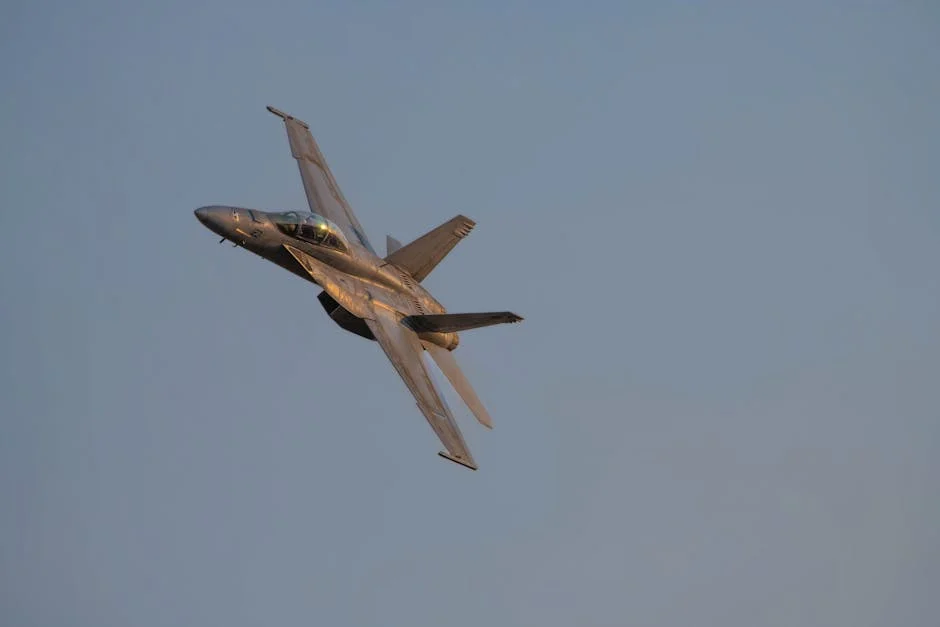
The White House ordered targeted strikes on Iranian nuclear infrastructure in March, following months of failed negotiations at Vienna. US Central Command confirmed that F-35 aircraft struck three major facilities within a seventy-two-hour window. Iran responded by launching ballistic missiles at US assets in Qatar and the UAE, wounding seventeen American service personnel.
Defense Secretary Pete Hegseth testified alongside Rubio, presenting satellite imagery and intercepted communications to substantiate claims about Iran's defensive build-up. Hegseth said the strikes destroyed roughly sixty percent of Iran's reported enrichment capacity. The remaining forty percent remains operational, according to intelligence assessments shared with lawmakers in closed session.
Tehran's Denials and the Diplomatic Fallout
Iran's mission to the United Nations rejected the Senate testimony, calling it "fabricated justification for an act of aggression." Foreign Minister Abbas Araghchi wrote on social media platform X that Iran never sought a nuclear weapon and that the shield Rubio described was purely defensive infrastructure installed under international law. European Union foreign policy chief Kaja Kallas summoned an emergency session of the Joint Comprehensive Plan of Action commission, where she urged both sides to accept ceasefire terms.
Regional Impact on West Africa and Nigeria
Oil markets reacted sharply to the Senate testimony. Brent crude surged to $94.70 per barrel on Thursday before retreating to $91.40 by market close. Nigeria, which depends on oil exports for roughly sixty percent of government revenue, faces immediate pressure on its naira exchange rate and fiscal budget projections for the coming fiscal year. The Central Bank of Nigeria may need to intervene to stabilise the currency if price volatility persists through the next quarter.
Nigerian nationals working in Gulf states near Iranian strike zones also face heightened risk. The foreign affairs ministry in Abuja confirmed it is monitoring the safety of approximately twelve thousand Nigerian citizens employed in the UAE, Qatar, and Saudi Arabia. Several families have already contacted local media outlets expressing concern after missiles landed within sixty kilometres of residential areas in Doha.
Nigeria's Diplomatic Position
Abuja has remained officially neutral, with President Bola Tinubu calling for restraint through a statement released by his office on Tuesday. However, senior officials speaking on background told reporters that Nigeria privately supports efforts to restore the Iran nuclear deal, fearing that prolonged hostility will disrupt shipping lanes in the Gulf of Aden. About thirty percent of Nigerian exports pass through waters near the Persian Gulf annually.
Senate Vote and What Happens Next
The Senate is scheduled to vote next week on a bipartisan resolution authorising continued military operations against Iran for an additional ninety days. Rubio predicted the measure would pass with strong Republican support and substantial Democratic backing, despite reservations from progressive members who question the legal basis for expanded strikes. The vote is expected before the current authorisation expires on May 15.
The United Nations Security Council remains deadlocked, with Russia and China expected to veto any resolution calling for an immediate ceasefire. US Ambassador to the UN Linda Thomas-Greenfield told reporters the administration will pursue bilateral sanctions against Iranian oil officials rather than wait for multilateral consensus.
What to watch: Iranian officials signalled through back-channel communications that they may accept a freeze on enrichment activities if Washington lifts secondary sanctions within thirty days. The next forty-eight hours will determine whether those talks progress or collapse entirely.
See Also
- Reviving The Lost Glory Of Science Colleges In Kano, KASSOSA Agenda
- Google announces 11 African Startups for AI First Accelerator programme
Several families have already contacted local media outlets expressing concern after missiles landed within sixty kilometres of residential areas in Doha. Nigeria, which depends on oil exports for roughly sixty percent of government revenue, faces immediate pressure on its naira exchange rate and fiscal budget projections for the coming fiscal year.