Sultan Al Thani, the UAE's Minister of Foreign Trade, announced that Emirati entities have deployed $110 billion across Africa over the past five years, marking one of the largest single-country investment commitments to the continent during that period. The disclosure, made during a trade summit in Abu Dhabi, came as African nations intensify efforts to attract Gulf capital to fund infrastructure, energy, and manufacturing projects.
The figure represents a dramatic acceleration from earlier decades. Between 2019 and 2024, UAE-backed projects spanned ports in East Africa, renewable energy farms in the Sahel, and logistics hubs connecting landlocked nations to global shipping routes. Al Thani described the continent as "the most exciting investment frontier of this decade," a signal that Abu Dhabi intends to deepen its economic footprint beyond traditional oil partnerships.
For Nigeria, the announcement raises immediate questions about positioning. Lagos serves as West Africa's largest commercial hub, yet competition for Gulf investment is intensifying. Kenya has secured funding for its Lamu Port, Egypt hosts major Emirati infrastructure deals, and Ethiopia's industrial zones have attracted significant Gulf interest.
Where the Money Flows
Al Thani's remarks identified three priority sectors driving UAE engagement: logistics infrastructure, renewable energy, and food security systems. Each aligns with Abu Dhabi's broader strategy to secure supply chains and transit corridors that bypass traditional Western routes.
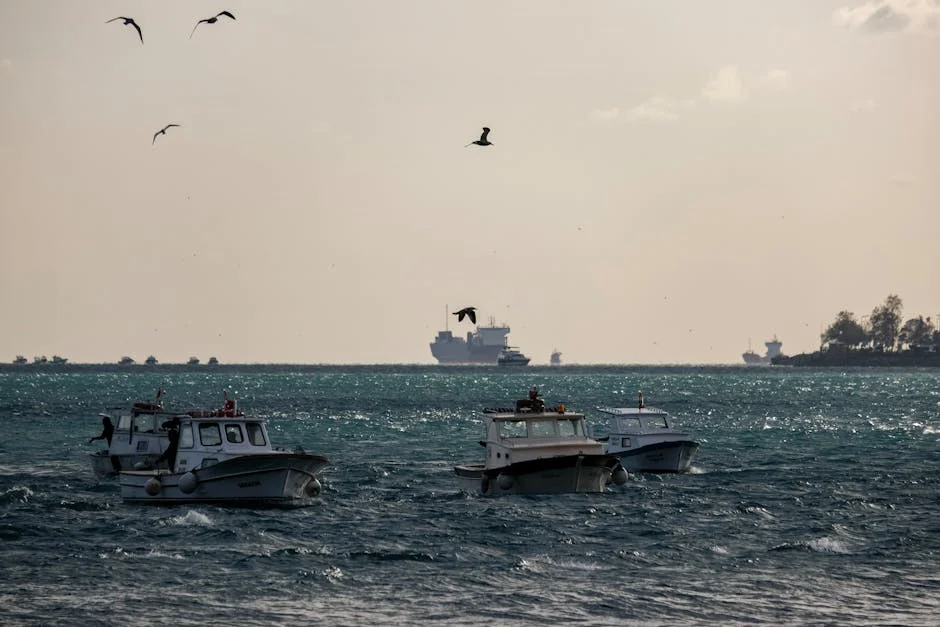
In logistics, DP World — the Dubai-controlled port operator — has emerged as the primary vehicle for Emirati investment. The company operates terminals in Djibouti, Dakar, and Berbera in Somaliland, creating a network that funnels trade through Gulf-controlled chokepoints. Nigeria's Calabar and Lekki ports have attracted DP World interest, but actual deployment has lagged behind commitments made in 2022.
Renewable energy represents the second major channel. Masdar, Abu Dhabi's state clean energy firm, has signed deals to develop solar and wind capacity in Egypt, Angola, and Zambia. Nigeria's grid instability and massive electricity deficit theoretically make it a natural fit, yet Masdar's Nigerian pipeline remains smaller than its commitments to North and East Africa.
Nigeria's Position in the Race
Ahmed Al Zeyoudi, the UAE's Minister of State for Foreign Trade, has personally led delegations to Abuja twice in the past eighteen months. The visits produced memoranda of understanding on trade facilitation and port cooperation, but critics argue concrete timelines remain vague.
Industry sources in Lagos suggest Nigerian trade officials are negotiating directly with Emirati counterparts to secure a greater share of the $110 billion total. The Central Bank of Nigeria has simplified procedures for Gulf-sourced foreign direct investment, aiming to reduce friction that previously deterred Emirati investors.
Yet structural challenges persist. Power shortages, bureaucratic delays in securing land titles, and currency volatility have slowed Gulf investment across sub-Saharan Africa, not only Nigeria. A Dubai-based logistics executive, speaking on condition of anonymity, told reporters that his firm was "watching Nigeria closely" but awaiting clearer signals on regulatory certainty before committing new capital.
What the $110 Billion Means for Communities
On the ground, the impact of Gulf investment often arrives unevenly. Ports generate construction jobs and eventual customs revenue, but critics warn that foreign-operated logistics hubs can extract value without fostering local industrial capacity. Workers in Mombasa and Dar es Salaam report mixed experiences — steady employment during construction phases, followed by skilled technical roles dominated by expatriate engineers.
Nigerian communities near proposed Lekki Free Zone expansion are watching closely. Local business owners say Gulf-funded industrial parks could create opportunities for suppliers and service providers, but only if procurement policies favour local firms. "We need the investment, but we also need the terms to benefit Lagos people," said Chidi Okonkwo, who operates a vehicle repair business near the Lekki corridor.
Competition for Gulf Capital Intensifies
Al Thani's disclosure arrives as multiple African nations compete aggressively for Gulf backing amid slowing Western investment flows. Kenya has pledged tax incentives for Emirati-linked projects, while Rwanda's special economic zones have attracted targeted Gulf funding for manufacturing facilities.
Egypt's recent infrastructure agreements with Abu Dhabi — covering new satellite logistics centres and agricultural processing zones — illustrate the scale of deals being struck. Nigerian trade officials acknowledge that Cairo's political stability and existing Gulf relationships give it an advantage, but argue that Nigeria's 220 million consumers and energy market size provide compelling counter-arguments.
What Happens Next
Abuja is preparing a formal pitch to Emirati investors ahead of a scheduled visit by senior UAE trade officials in the coming months. Nigerian ministers have promised an investor roadshow in Dubai, targeting sectors flagged by Al Thani — logistics, renewable energy, and food systems. The outcome of those meetings will determine whether Nigeria captures a meaningful portion of the remaining Gulf investment cycle before capital flows elsewhere.
See Also
- US Senate Republicans Push Funding Bill to Crush Online Child Abuse
- Oyo State Teachers Launch Indefinite Strike, Nationwide Protests Set for Tuesday