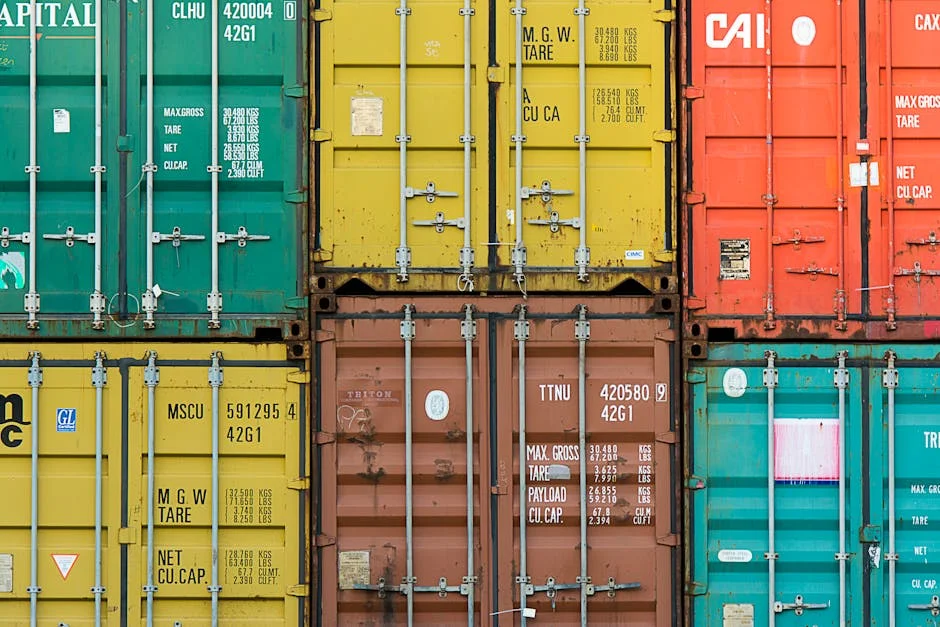
The resurgence of Somali piracy is sending immediate shockwaves through the logistics networks of West Africa, with Nigeria facing the brunt of the economic fallout. Ships traversing the Western Indian Ocean are increasingly vulnerable, forcing global carriers to reroute and hike freight rates. This development directly impacts Nigerian citizens who rely on imported goods for daily survival.
Piracy Resurges in the Western Indian Ocean
Somali pirates have returned to their traditional hunting grounds in the Western Indian Ocean, catching many maritime security analysts off guard. The Gulf of Aden, once considered a relatively safe corridor after years of naval patrols, now sees a steady stream of merchant vessels under threat. This resurgence is not merely a regional issue for East Africa; it is a global supply chain disruption that reaches as far as Lagos.
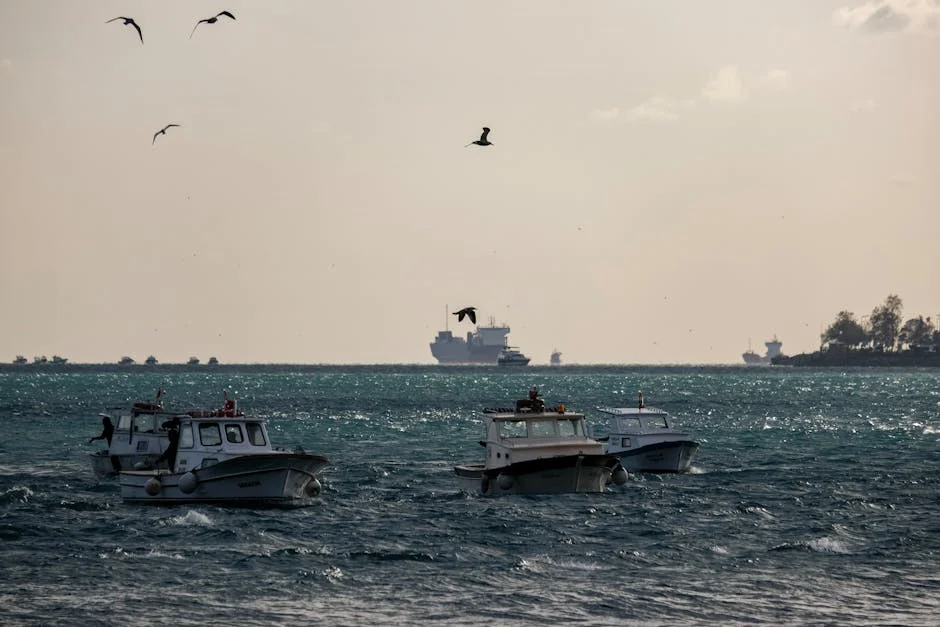
Security reports indicate that pirate skiffs are using faster engines and better GPS technology than in previous decades. They are targeting larger tankers and container ships, knowing that the ransom potential is higher. The Joint Maritime Information Centre has issued fresh warnings to all vessels entering the zone. These warnings signal a shift from sporadic attacks to a more coordinated campaign by pirate groups.
Direct Impact on Nigerian Importers and Prices
Nigeria imports a significant portion of its goods via maritime routes that converge with the Western Indian Ocean traffic. When shipping lines increase insurance premiums and freight costs, these expenses are passed down to the consumer. Importers in Lagos are already feeling the pinch, with preliminary data showing a rise in the cost of bringing in essential commodities. This directly affects the price of rice, wheat, and even petroleum products in local markets.
The Nigerian Shippers’ Council has noted that freight rates have begun to climb in anticipation of longer transit times. Containers that previously took three weeks to reach Apapa Port may now take four or five weeks. This delay means that inventory runs out faster, creating a sense of urgency among retailers. Consumers in major cities like Abuja and Port Harcourt will likely see higher price tags on supermarket shelves within the next month.
How This Affects Your Daily Life in Nigeria
The connection between Somali pirates and the price of bread in Nigeria might seem distant, but the supply chain is tightly knit. As shipping costs rise, the cost of imported wheat flour increases. Bakers in Kano and Lagos adjust their prices to maintain margins, leading to a slight but noticeable increase in the cost of daily staples. This inflationary pressure hits the middle and lower classes the hardest.
Furthermore, the uncertainty in shipping schedules affects the availability of spare parts for vehicles and machinery. Mechanics in Onitsha Market report that certain imported auto parts are becoming scarcer and more expensive. This ripple effect extends to the construction industry, where steel and cement prices are sensitive to global freight fluctuations. The average Nigerian household is thus facing a multi-front economic challenge.
Energy Sector Vulnerabilities
Nigeria’s energy sector is particularly vulnerable to these disruptions. While Nigeria is an oil producer, it still imports refined petroleum products when local refineries face downtime. Tankers carrying diesel and petrol from the Western Indian Ocean region are now facing higher risks. Insurance costs for these tankers have surged, adding to the final cost of fuel. This could lead to further adjustments in the Pump Price of Premium Motor Spirit (PMS).
The Nigerian National Petroleum Company (NNPC) monitors these global trends closely. Any sustained increase in freight costs could force the NNPC to revise its subsidy calculations or adjust the base price of fuel. For the average commuter in Lagos, this means that the cost of getting to work could rise again, compounding the existing cost of living crisis. The energy sector’s reaction will be a key indicator of the piracy’s true economic weight.
Regional Response and Maritime Security
East African nations are responding to the threat by enhancing their naval presence in the Western Indian Ocean. Countries like Kenya and Tanzania have increased patrols along their coastlines to deter pirate incursions. However, the sheer size of the oceanic theater makes complete coverage difficult. Regional cooperation is essential, yet coordination between different navies remains a work in progress. The effectiveness of these measures will determine how long the surge in piracy lasts.
International naval task forces are also being recalled to the region to provide additional support. The European Union’s Naval Force (EUNAVFOR) has announced a new mission to bolster security in the Gulf of Aden. These forces aim to create a deterrent effect by maintaining a visible presence near key shipping lanes. Their success will depend on the ability to intercept pirate skiffs before they board larger vessels.
Economic Consequences for West Africa
The economic consequences for West Africa are multifaceted. Beyond the immediate rise in import costs, there is the issue of trade volume. If shipping lines decide to bypass the Western Indian Ocean route in favor of longer alternatives, transit times will increase significantly. This delay reduces the turnover rate of goods, meaning that importers must tie up more capital in inventory. For Nigerian businesses, this means reduced liquidity and higher operational costs.
Investors are also taking note of the instability. Foreign direct investment in the Nigerian manufacturing sector may slow down if the cost of importing raw materials becomes unpredictable. Manufacturers who rely on timely deliveries of components from Asia and Europe will face production bottlenecks. This could lead to a slight dip in output, affecting employment in key industrial hubs like Lekki and Ikeja.
What Citizens Should Watch For
Nigerians should monitor the prices of imported goods in their local markets over the coming weeks. A sudden spike in the cost of rice, sugar, or petroleum products could signal that the shipping cost increases are being fully passed on. Retailers in major markets such as the Ladipo Market in Lagos are likely to adjust their pricing strategies quickly. Staying informed about these changes can help households manage their budgets more effectively.
Additionally, keeping an eye on announcements from the Central Bank of Nigeria and the Nigerian Shippers’ Council will provide insight into the broader economic impact. These institutions often release statements regarding freight rates and import duties. Understanding these macroeconomic indicators can help consumers anticipate further changes in the cost of living. The situation is fluid, and quick reactions from policy makers could mitigate some of the pressure.
Long-Term Implications for Trade Routes
The return of Somali piracy may force a long-term reevaluation of global trade routes. Shipping companies might invest more heavily in security measures, such as armed guards and barbed wire barriers on deck. These measures add to the cost of shipping, which will remain a persistent factor in import prices. Nigeria’s trade policy may need to adapt to these new realities by diversifying its import sources or investing more in local production.
Local production could become a strategic priority to reduce dependence on volatile maritime routes. Encouraging local agriculture and manufacturing can help insulate the Nigerian economy from external shocks. However, this is a long-term solution that requires consistent policy support and investment. In the short term, the impact of Somali piracy will continue to be felt in the wallets of Nigerian citizens.
Next Steps and Future Outlook
The next few months will be critical in determining the severity of the impact. Naval patrols will need to intensify to bring the number of attacks down to manageable levels. The International Maritime Organization is expected to release a comprehensive report on the situation by the end of the quarter. This report will guide further international and regional responses. Nigerians should watch for updates from these bodies to understand the evolving landscape of maritime security and its economic repercussions.
See Also
- Oyo Teachers' Strike Enters Third Week as Governor Makinde Meets Families After Abductions
- Nigeria's Tech Surge Fuels African Innovation — Local Startups Thrive
Next Steps and Future Outlook The next few months will be critical in determining the severity of the impact. These forces aim to create a deterrent effect by maintaining a visible presence near key shipping lanes.