South Africa has recorded an 11% surge in agricultural exports in the early months of 2026, marking a robust start to the fiscal year. This sharp increase in output from the continent’s southern economic powerhouse is sending immediate ripples across West African supply chains. For consumers and businesses in Nigeria, this development signals both opportunity and potential disruption. The scale of this growth demands attention from traders in Lagos, farmers in the Middle Belt, and policymakers in Abuja.
Export Figures Signal Major Shift in Regional Supply
The Department of Agriculture, Land Reform and Rural Development confirmed the latest data last week. The figures show a clear acceleration in shipments of citrus fruits, wine, and maize to international markets. This performance contrasts with the modest growth seen in late 2025. The South African Rand has also stabilized slightly, making exports more competitive globally.
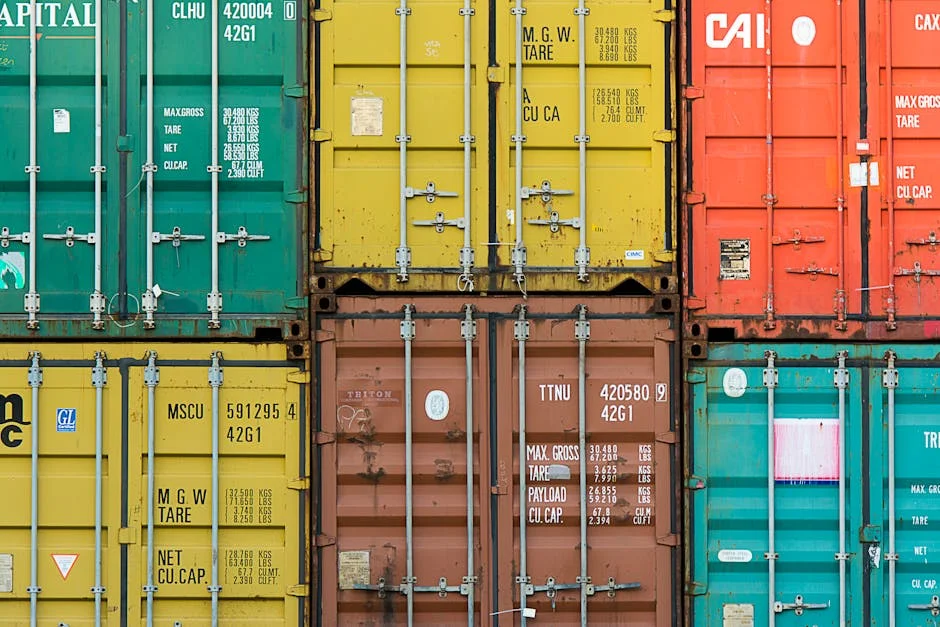
Nigerian importers are already adjusting their purchasing strategies. Many companies in Port Harcourt and Onitsha have increased orders to secure stock before prices rise further. The competition for limited shipping space on the Cape Town-Lagos route is intensifying. Freight costs have climbed by roughly 5% as demand outstrips available container space.
Traders warn that the surge could lead to temporary shortages in local markets. If South African producers prioritize European and Asian buyers, fewer goods may reach West Africa. This dynamic forces Nigerian buyers to pay a premium for timely delivery. The ripple effect touches everything from supermarket shelves to restaurant menus.
Impact on Nigerian Consumers and Daily Life
For the average shopper in Abuja or Kano, this export boom has direct price implications. South African citrus fruits, particularly oranges and lemons, are staples in many Nigerian households. An 11% increase in export volume often correlates with higher unit prices when local supply tightens. Consumers should expect to see price tags on these items rise over the next quarter.
The wine industry is another sector under pressure. South Africa supplies a significant portion of the mid-range wine market in Lagos. Increased exports to the UK and Germany mean less inventory for West African distributors. Wine bars and hotels in Victoria Island are already raising prices to hedge against scarcity. This trend could make dining out more expensive for middle-class families.
Maize prices may also feel the heat. South Africa is a key player in the regional maize market, especially during Nigeria’s off-season months. If Pretoria exports more to Asia, Nigerian millers might face higher input costs. This could translate to pricier bread and breakfast cereals in local stores. Households will need to budget carefully as inflationary pressures build.
Nigerian Farmers Face New Competitive Pressures
Local agricultural producers are watching these numbers with mixed emotions. On one hand, a strong South African sector suggests healthy global demand for agri-commodities. On the other hand, it raises the bar for Nigerian farmers who wish to enter export markets. Competition for shelf space in European supermarkets is becoming fiercer.
Farmers in the Ogun State tomato belt are feeling the squeeze. They must improve yield quality to match the consistency of South African produce. Without better irrigation and storage facilities, their competitive edge remains fragile. The gap in infrastructure between the two nations continues to widen.
Government agencies in Lagos are urging local cooperatives to adopt faster processing techniques. Delayed harvests often mean that Nigerian produce arrives later than South African goods. Speed and quality are now critical factors for survival. Farmers who fail to adapt risk losing both local and regional market share.
Specific Crop Vulnerabilities
Citrus growers in the Eastern Region face direct competition from South African orange exports. The latter benefit from advanced cold-chain logistics that keep fruit fresh for longer periods. Nigerian citrus often suffers from heat damage during transport. This quality disparity allows South African brands to command higher prices in premium supermarkets.
Mango and avocado producers also encounter stiff rivalry. South Africa’s off-season timing allows it to dominate when Nigerian supply dips. This creates a cyclical pressure on local farmers. They must invest in greenhouse technology to extend their harvesting windows. Without such investments, seasonal price volatility will continue to erode their profits.
Supply Chain Bottlenecks in West Africa
The surge in South African exports is testing the limits of regional logistics networks. Ports in Lagos and Onne are already dealing with congestion from oil and manufacturing imports. Adding a flood of agricultural containers strains existing storage and clearing processes. Delays at these ports can push delivery times from days to weeks.
Customs officials report longer wait times for perishable goods. The efficiency of the West African Coastal Highway is also under scrutiny. Trucks carrying South African produce must navigate multiple border checkpoints to reach inland Nigerian cities. Each stop adds cost and risk of spoilage for temperature-sensitive items.
Logistics companies are responding by chartering more direct flights for high-value crops. Air freight is pricier but faster than sea transport. This shift benefits premium brands but may price out smaller retailers. The fragmentation of supply chains could lead to uneven availability across different Nigerian states.
Economic Interdependence Between SA and Nigeria
The relationship between South Africa and Nigeria is deeply rooted in trade and investment. This export boom highlights how closely linked their agricultural economies have become. A strong harvest in Pretoria directly influences market dynamics in Lagos. Policymakers in both countries must coordinate to smooth out these fluctuations.
South African agri-giants have expanded their footprint in Nigeria. Companies like Tiger Brands and South African Brewings have significant operations on the island nation. Their success in Nigeria depends on a steady flow of raw materials from home. Any disruption in South African production could ripple through Nigerian manufacturing sectors.
Investors are taking note of this interdependence. Capital flows from Lagos to Cape Town have increased as businesses seek diversification. This financial link strengthens the regional economy but also exposes it to shared risks. A drought in South Africa could trigger inflationary spikes in Nigeria. Understanding this connection is vital for economic planning.
Policy Responses and Regional Cooperation
Nigerian trade officials are reviewing import tariffs on key agricultural products. They aim to balance consumer needs with local farmer protections. Lower tariffs could ease price pressures but might flood the market with cheaper South African goods. Finding the right balance requires careful analysis of current supply and demand.
Regional bodies like the Economic Community of West African States are also weighing in. They seek to harmonize agricultural standards to reduce non-tariff barriers. This could make it easier for Nigerian farmers to export to South Africa as well. Bilateral agreements might include quotas or seasonal duties to manage flow.
Both nations recognize the need for better data sharing. Real-time information on harvest yields and shipping schedules can help predict price trends. Joint task forces could monitor critical commodities like maize and citrus. Such cooperation would reduce uncertainty for traders and consumers alike.
What to Watch in the Coming Months
The next few quarters will reveal the full impact of this export surge. Traders should monitor weekly price indices for citrus and wine. Any sustained increase above 15% would signal a deeper shortage. Consumers should track supermarket promotions to identify shifting demand patterns.
Farmers must keep an eye on government subsidy announcements. The Nigerian Ministry of Agriculture may introduce new incentives to boost local production. These policies could offset some of the competitive pressure from the south. Staying informed will help stakeholders make smarter decisions.
Logistics providers are likely to announce new routes and partnerships. These developments could ease some of the congestion at major ports. Shippers should watch for announcements from key ferry and trucking companies. The market will adjust quickly to any improvements in transport efficiency.
See Also
- SANDF Grounds Oryx Fleet — South Africa's Defence Crisis Deepens
- WSL Stars Ignite Nigerian Passion — Fans Flock to London Clubs
What is the latest news about south africas export boom sends shockwaves through nigerian markets?
Why does this matter for economy-business?
What are the key facts about south africas export boom sends shockwaves through nigerian markets?