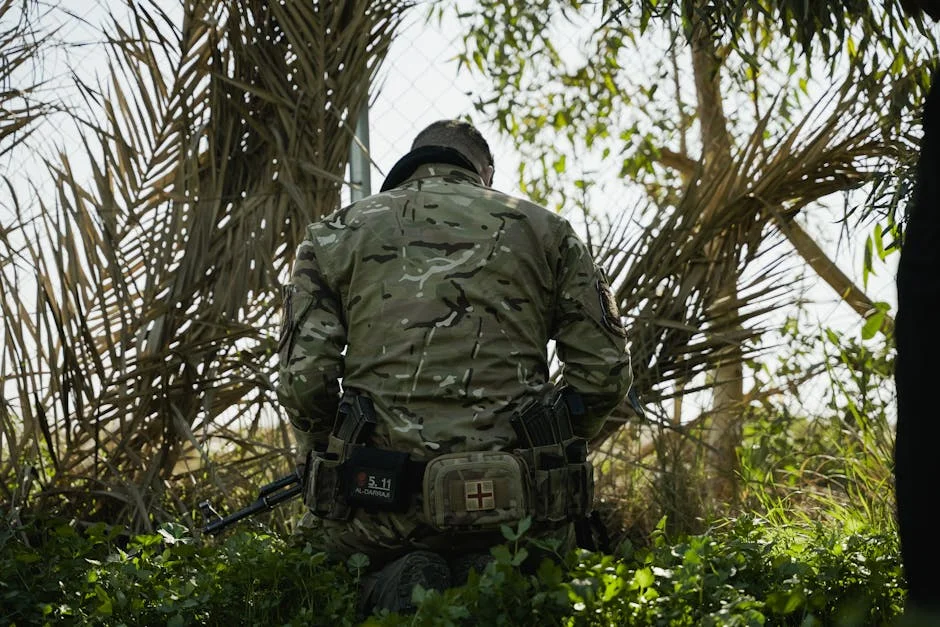
United States special forces launched a fresh wave of airstrikes against Islamic State West Africa Province (ISWAP) fighters in the north-east of Nigeria this week. The military operation targets key insurgent strongholds in Borno State, aiming to disrupt supply lines and command structures. For the millions of citizens living in the Lake Chad Basin, these strikes bring both hope for lasting peace and anxiety over collateral damage.
US Military Intensifies Pressure on ISWAP
The Pentagon confirmed that the strikes were coordinated with the Nigerian Armed Forces. American pilots targeted specific camps and weapon caches near the border with Cameroon. This marks a renewed commitment from Washington to support Abuja’s fight against terrorism. The US military has deployed advanced drone technology to maximize precision while minimizing risks to ground troops.
Nigerian Defence Ministry officials stated that the operation aims to clear the last remaining pockets of resistance in the region. They believe that weakening ISWAP’s logistical network will accelerate the return of displaced persons. However, local leaders warn that the insurgents are becoming more elusive. They often blend into civilian populations to avoid detection by aerial surveillance.
Impact on Daily Life in Borno State
Citizens in Maidugori, the capital of Borno State, have noticed changes in the security landscape. Shop owners report that the sound of jet engines has become a frequent occurrence. While some residents feel safer knowing that foreign powers are involved, others remain on edge. The fear of sudden raids keeps many families awake at night, listening for the roar of propellers overhead.
Markets in the city center have seen fluctuations in trading activity. Vendors adjust their hours based on security briefings from local commanders. Some traders prefer to sell goods early in the morning before the heat and the noise set in. This routine disruption affects the daily income of thousands of small business owners who rely on steady foot traffic.
Displaced Persons Face New Uncertainties
The Internal Displaced Persons (IDP) camps are particularly sensitive to these military movements. Thousands of families live in temporary shelters on the outskirts of Maidugori. They fear that strikes might draw insurgents back into nearby villages, forcing them to flee once again. The uncertainty makes it difficult for aid organizations to plan long-term relief efforts.
Humanitarian workers report that access to remote areas remains challenging. Roads that were previously open are now subject to sudden closures. This delays the delivery of food, medicine, and clean water to vulnerable communities. The coordination between military units and aid agencies is crucial to prevent gaps in service during intense fighting.
Economic Consequences for Local Communities
The north-east economy is still recovering from years of conflict. Agriculture is the primary source of income for many families in the region. Farmers in Yobe and Adamawa states are hesitant to plant crops near the borders. They worry that their harvests could be seized or destroyed during cross-border skirmishes between ISWAP fighters and allied troops.
Inflation rates in the region remain higher than the national average. Prices for basic commodities like rice, beans, and cooking oil have risen steadily. This trend is exacerbated by supply chain disruptions caused by the ongoing security situation. Local merchants struggle to keep shelves stocked as transport costs increase due to security escorts.
Small businesses in rural areas are feeling the pinch. Many shops operate on thin margins that do not account for sudden price hikes. Some entrepreneurs are considering relocating to more stable cities like Abuja or Lagos. This brain drain threatens to stall the economic revival that the north-east has been striving for over the past decade.
Community Response and Local Governance
Local councils in Borno State have called for better communication from military commanders. They want residents to receive timely updates on the timing and location of strikes. This transparency would help communities prepare and reduce panic. Council leaders argue that informed citizens are more resilient and better equipped to handle disruptions.
Community leaders are also pushing for greater involvement in security planning. Traditional rulers and local chiefs play a vital role in maintaining order in rural areas. They believe that integrating local knowledge with military strategy can yield better results. This approach has shown promise in other parts of the country where community policing has been effective.
Civil society organizations are monitoring the humanitarian impact of the strikes. They are documenting cases of property damage and casualties to ensure accountability. These groups advocate for the protection of civilian infrastructure such as schools and hospitals. Their reports provide valuable data for policymakers and international donors.
Regional Security Dynamics
The conflict in the north-east has spilled over into neighboring countries. Cameroon, Chad, and Niger are all affected by the movements of ISWAP fighters. The US strikes are part of a broader regional strategy to contain the insurgency. This multi-national effort requires close coordination and shared intelligence among the four nations.
Cross-border raids have become more frequent as insurgents seek refuge in the dense forests of Cameroon. This has led to occasional tensions between the neighboring countries. However, the threat of a unified enemy has kept diplomatic relations relatively stable. The Lake Chad Basin Commission plays a key role in facilitating dialogue and cooperation.
Security experts note that the insurgency is not just a military challenge. It is also a socio-economic issue that requires long-term solutions. Poverty, unemployment, and poor education are root causes that fuel recruitment. Addressing these underlying factors is essential for achieving sustainable peace in the region.
What to Watch Next
Residents and analysts should monitor the frequency of US airstrikes in the coming weeks. A sustained campaign could lead to a significant reduction in ISWAP’s fighting strength. However, a pause in operations might allow the insurgents to regroup and launch counter-attacks. The next quarter will be critical in determining the momentum of the conflict.
Local governments will likely announce new measures to support affected communities. These could include financial aid, job creation programs, and infrastructure repairs. The effectiveness of these interventions will depend on the stability of the security situation. Citizens should keep an eye on official announcements from the Borno State government.
International donors may also adjust their funding strategies based on the progress of the military operations. This could impact the availability of resources for health and education sectors. Communities need to stay informed about these developments to advocate for their needs. The path to recovery is long, but every step forward brings hope for a brighter future.
See Also
- Évora Suspends Alternative Cinema: What This Means for African Film Development
- Nigeria Faces Economic Challenges as Africa Today Reports Sharp Growth in 2026
Civil society organizations are monitoring the humanitarian impact of the strikes. The Lake Chad Basin Commission plays a key role in facilitating dialogue and cooperation.