Across Africa, the machinery of democratic governance is grinding to a halt. Military forces in Niger, Gabon, and Burkina Faso have seized power in quick succession, while elections in countries like Ethiopia have raised questions about the integrity of the ballot box. The result is a continent where citizens increasingly ask whether their votes actually count.
A Continent Under Pressure
On Monday, observers gathered in Addis Ababa to assess the state of democratic institutions across Africa. Their conclusion was stark: the gains made in the 1990s and 2000s are now being reversed at an alarming rate. At least eight successful coups have occurred in sub-Saharan Africa since 2020, a statistic that places the current decade among the most turbulent for military takeovers since independence.
The West African regional bloc ECOWAS, which includes Nigeria, has struggled to respond coherently. Sanctions imposed on Niger after its coup in August 2023 disrupted trade routes and inflated prices for basic goods across the region. Families in border communities felt the pinch immediately as cross-border commerce slowed to a crawl.
The Human Cost of Political Crisis
For ordinary Nigerians, these distant upheavals are not abstract events. When political instability spreads in neighbouring countries, refugee flows increase, smuggling networks intensify, and regional security deteriorates. The Lake Chad Basin, already threatened by insurgency, becomes more volatile when ungoverned spaces expand across the Sahel.
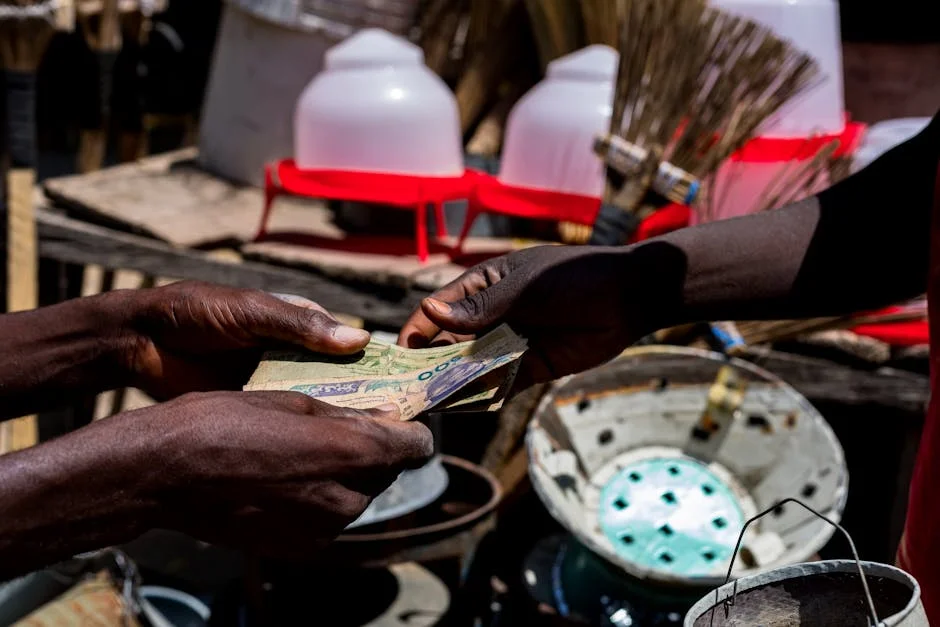
Local markets in Kaduna and Kano have already reported price fluctuations linked to uncertainty in the Sahel corridor. Rice, millet, and other staples that flow from northern neighbours could face shortages if the instability persists. Communities that depend on regional trade find themselves caught between political forces they cannot control.
Security Spillover Effects
The expansion of extremist activity across the Sahel has been directly linked to state weakness following coups. When governments in Mali, Burkina Faso, and Niger lost control of their institutions, armed groups exploited the vacuum. The result has been a surge in attacks that have reached as far as northern Benin and Togo.
For Nigerian security agencies, this represents a growing threat. Border checkpoints from Sokoto to Cross River operate under increased strain as irregular movements become harder to track. Local vigilante groups report that their areas of operation have expanded as regular forces stretch thin.
Elections That Raise Questions
Beyond military takeovers, the quality of democratic contests on the continent has faced scrutiny. Ethiopia's recent electoral process produced results that drew mixed assessments from international monitors. Opposition parties alleged irregularities, while the government maintained that the vote reflected the will of the people.
In Nigeria, voters watched these developments with a mixture of relief and concern. The peaceful transfer of power in 2023 was celebrated as evidence of maturing institutions, but analysts warn that democratic norms cannot be taken for granted. Civic education programmes run by local NGOs in Lagos and Abuja have reported increased attendance as citizens seek to understand their rights and responsibilities.
ECOWAS at a Crossroads
The regional bloc has been forced to confront hard questions about enforcement. When Niger's military rulers refused to restore civilian government, ECOWAS debated military intervention before settling on diplomacy. Member states including Nigeria provided the bulk of the diplomatic pressure, with Abuja hosting multiple rounds of negotiations.
The outcome revealed deep divisions. Some member states sympathised with the Niger junta, arguing that sanctions were punishing ordinary citizens rather than military leaders. Others insisted that maintaining democratic standards was essential for regional stability. The compromise position satisfied few and resolved nothing.
What Comes Next
Citizens across the region are left to navigate the consequences of decisions made in capital cities far from their daily concerns. In Nigeria's northern states, communities already facing security challenges now must also factor in regional instability when planning harvests and market trips.
The upcoming ECOWAS summit in Abuja will address these questions directly. Delegates from member states will discuss reforms to the bloc's response mechanisms and examine ways to strengthen democratic institutions before they collapse. For ordinary citizens, the decisions taken in those meeting rooms will shape the environment in which they live, work, and raise families.
What to watch: whether ECOWAS members can agree on a common framework for preventing coups and supporting democratic transitions, and whether economic pressure on military juntas yields results in Niger and beyond.
See Also
- South African Parliament Warns SASSA Verification System Leaves Thousands Unpaid
- Nigerian senator seeks recruitment of more women into security agencies
Opposition parties alleged irregularities, while the government maintained that the vote reflected the will of the people.In Nigeria, voters watched these developments with a mixture of relief and concern. The peaceful transfer of power in 2023 was celebrated as evidence of maturing institutions, but analysts warn that democratic norms cannot be taken for granted.
What is the latest news about military coups surge across africa and ordinary citizens pay the price?
Why does this matter for politics-governance?
What are the key facts about military coups surge across africa and ordinary citizens pay the price?