Undercover filming by the BBC has unveiled the alarming sale of illegal drugs including cocaine, cannabis, and prescription medications in High Street mini-marts. This revelation, stemming from secret investigations, has sent shockwaves across Nigeria, bringing new attention to the potential social and economic impacts on communities already grappling with drug-related issues.
High Street's Expanding Illicit Market
The BBC's investigation pointed a spotlight on the ease with which high-demand drugs are being traded in everyday mini-marts on the High Street. Vendors were found selling controlled substances, which poses severe societal challenges. Nigerian cities like Lagos are acutely aware of the ripple effects such practices can have, including the potential for increased crime rates and health crises.
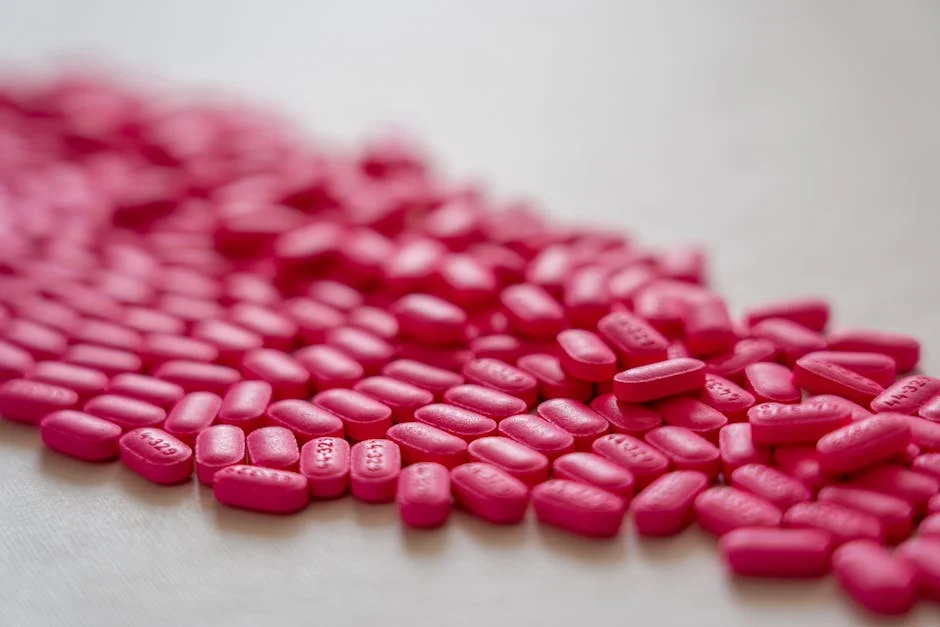
According to a report by the National Drug Law Enforcement Agency (NDLEA), drug abuse in Nigeria is escalating at an alarming rate, with over 14.3 million adults reported to have used drugs as of 2021. This statistic highlights the gravity of drug trade implications emanating from High Street operations, potentially exacerbating the existing crisis.
Effects on Local Communities
The infiltration of illegal drugs into Nigerian communities could strain family units, burden local healthcare systems, and lead to an uptick in criminal activities. The availability of cocaine and cannabis, in particular, might entice youth into experimentation, leading to long-term societal costs.
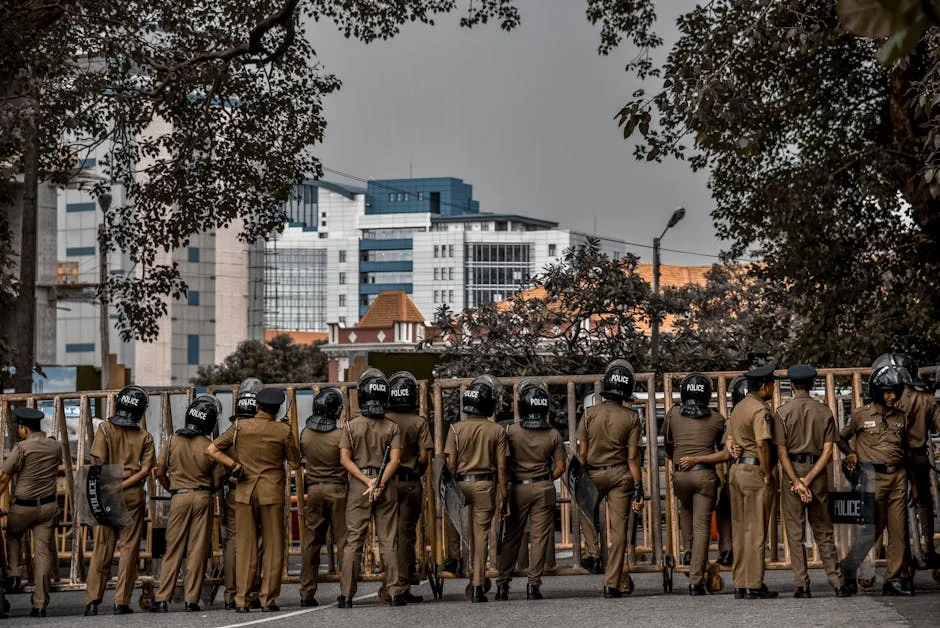
Local businesses and law enforcement agencies are now pressured to respond to this disturbing trend. The Lagos State Police Command has already initiated stricter patrols and is working closely with community leaders to curb the spread of illicit drugs.
Community and Government Response
Engaging Local Leaders
Engagement with local leaders and community organisations is crucial in addressing the drug menace. Initiatives aimed at educating the public about the dangers of drug use and empowering citizens to report suspicious activities are underway. In Lagos, community forums have been organised to foster dialogue and proactive measures.
Government Intervention
The Nigerian government is under pressure to act swiftly. Increased funding for the NDLEA and collaborative efforts with international bodies such as the United Nations Office on Drugs and Crime (UNODC) are being considered as part of a comprehensive strategy to combat the drug trade.
What Lies Ahead
The implications of the BBC's findings are far-reaching. The Nigerian government and local communities must rally together to address the burgeoning drug threat stemming from High Street activities. Future steps include implementing tighter regulatory frameworks for mini-marts and launching awareness campaigns to educate the public.
As Nigeria braces for the fallout, stakeholders are keenly watching the ongoing investigations and policy responses. The coming months will be critical in determining how effectively the nation can confront and mitigate the challenges posed by this illicit trade.
See Also
- Odair Moniz Exposes Flaws in Justice System as Police Avoid Prosecution: What It Means for Nigeria
- Ashley Padilla's S.N.L. Success Sparks Interest in Nigerian Comedy Scene
The coming months will be critical in determining how effectively the nation can confront and mitigate the challenges posed by this illicit trade. Initiatives aimed at educating the public about the dangers of drug use and empowering citizens to report suspicious activities are underway.