Nigeria's National Grid (NG) has seen a major shift as 10 major corporations, including major energy firms and manufacturing companies, have announced their departure from the national grid system. The move, revealed by the Federal Ministry of Power, has raised alarms over the stability of the country's energy infrastructure and its effects on daily life in major cities like Lagos and Abuja. The exodus comes amid a broader crisis in the energy sector, with frequent power outages and rising electricity costs.
Corporate Exodus Sparks Energy Concerns
The decision by 10 firms to leave the national grid marks a turning point in Nigeria’s energy landscape. Among them is EnergyCorp, a major energy provider in Lagos, which cited "unreliable supply and unsustainable tariffs" as the primary reasons for the move. The company’s CEO, Chidi Okoro, said in a statement: "We cannot continue to operate in an environment where our customers suffer from daily power cuts and our operational costs keep rising." This departure has triggered concerns about the broader impact on the economy and daily life.
The exodus follows a string of failures in the national grid, including a major blackout in Lagos last month that left over 5 million residents without power for nearly 24 hours. The Federal Ministry of Power has acknowledged the challenges, with a spokesperson stating, "We are working to improve the reliability of the grid, but the current system is under immense pressure." The move by these companies highlights a growing distrust in the national grid's ability to support business operations and daily life.
Impact on Daily Life and Local Economy
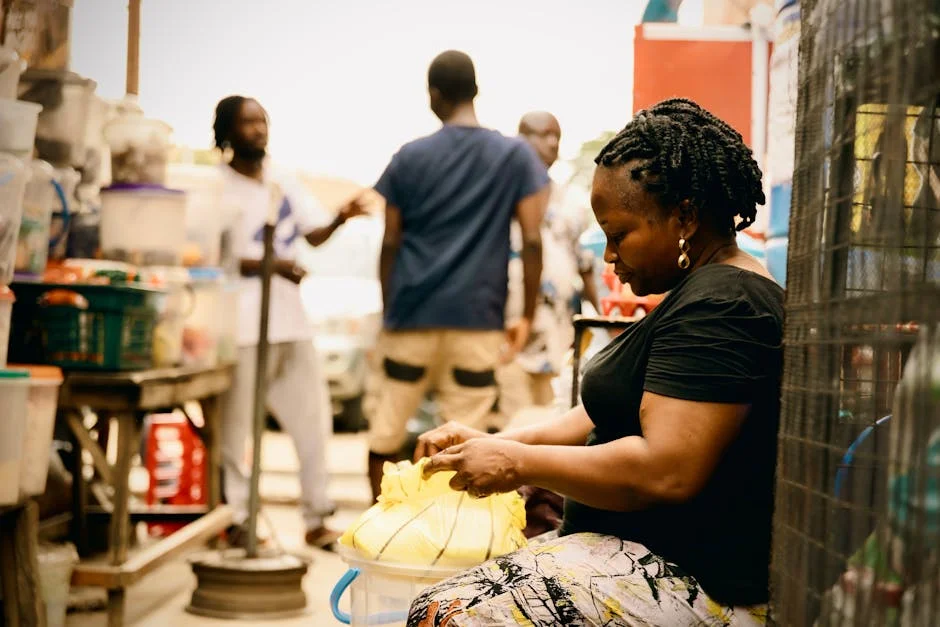
For citizens in Lagos and other urban centers, the corporate exodus has already begun to affect daily life. Power outages, which were once sporadic, are now more frequent, disrupting everything from household routines to small businesses. In the Ojota market, one of the largest in Lagos, vendor Amina Bello said, "We used to have power for at least 12 hours a day. Now, we’re lucky if it lasts six. This is making it hard to run our businesses." The local economy, which relies heavily on small and medium enterprises, is feeling the strain.
The impact on the local economy is also evident in the rising cost of electricity. According to the Nigeria Electricity Regulatory Commission (NERC), the average cost of electricity has increased by 25% over the past year. This has forced many businesses to invest in alternative power sources, such as generators, which further increases operating costs. For low-income families, the cost of electricity has become a significant burden, with some households spending up to 30% of their income on energy bills.
Community Response and Calls for Action
Communities across Nigeria are reacting to the crisis with a mix of frustration and urgency. In Abuja, a group of residents formed the "Abuja Power Coalition" to demand better service from the National Grid. The group’s founder, Dr. Nia Nwosu, said, "We are tired of living in darkness. The government must take immediate action to fix the grid and ensure that our basic needs are met." Similar groups have emerged in other cities, calling for more transparency and accountability from energy providers.
Local leaders are also stepping in to address the issue. In Lagos, the state governor, Babajide Sanwo-Olu, has announced plans to invest in alternative energy sources, including solar power, to reduce reliance on the national grid. "We cannot wait for the federal government to fix the problem," he said. "We need to take steps now to ensure that our people have access to reliable power." These local initiatives are seen as a critical response to the growing energy crisis.
Alternative Solutions Emerge
As the national grid struggles, alternative energy solutions are gaining traction. Solar power companies, such as SolarEdge Nigeria, have reported a surge in demand for residential and commercial solar installations. "We’ve seen a 50% increase in inquiries since the start of the year," said CEO Tunde Adeyemi. "People are tired of waiting for the grid to improve." This shift is not only helping households and businesses but also creating new job opportunities in the renewable energy sector.
Community-based energy projects are also emerging. In Ibadan, a group of local entrepreneurs have launched a microgrid initiative to provide power to small businesses and households. The project, supported by the Ibadan Chamber of Commerce, is seen as a model for other cities facing similar challenges. "We are proving that it's possible to generate power locally and sustainably," said project leader Chike Onyekachi.
What to Watch Next
The coming weeks will be critical for Nigeria's energy sector. The Federal Government has pledged to address the grid crisis, with a new energy reform bill expected to be introduced in the next legislative session. Meanwhile, the National Grid has announced plans to conduct a major overhaul of its infrastructure, with a target of completing the work by the end of 2024. However, many citizens and businesses are waiting for tangible results rather than promises. The next few months will determine whether the national grid can regain the trust of the public and the corporate sector.