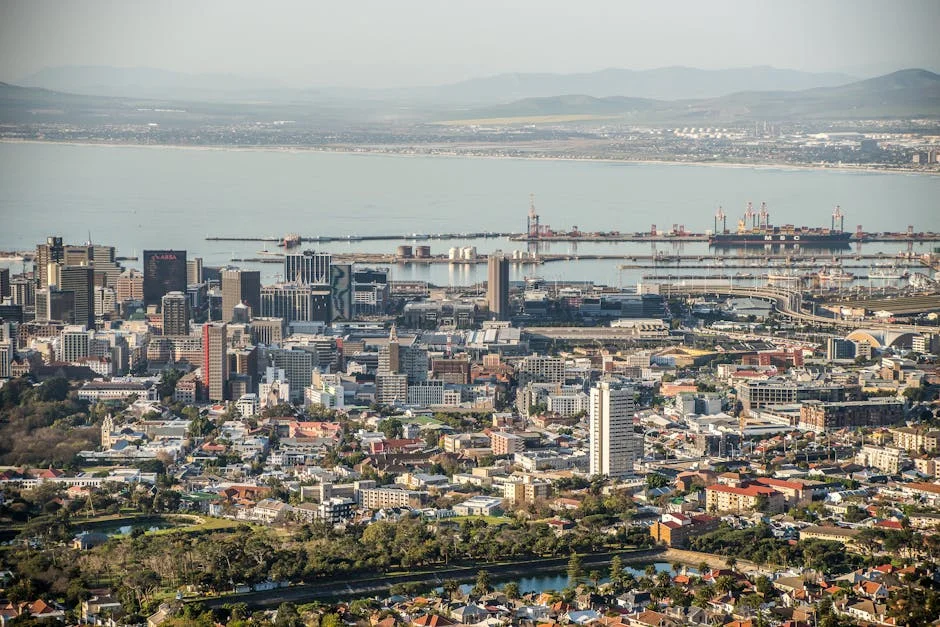
Israel and Lebanon are inching closer to a stalemate as negotiations over their maritime boundary continue to stall, with little hope of a resolution today. The talks, mediated by the United Nations, have been deadlocked for weeks, raising concerns about regional stability and the potential for further conflict. The issue has drawn international attention, with U.S. Senator Marco Rubio calling for a stronger American role in the dispute.
Stalemate Threatens Regional Stability
The dispute over the maritime border between Israel and Lebanon has been a source of tension for decades. The unresolved boundary has led to clashes, with both sides claiming exclusive economic rights to the area. Recent talks, held in New York, have failed to produce a breakthrough, leaving the situation in limbo. Without an agreement, the risk of renewed hostilities increases, affecting not only the two countries but the entire Eastern Mediterranean region.
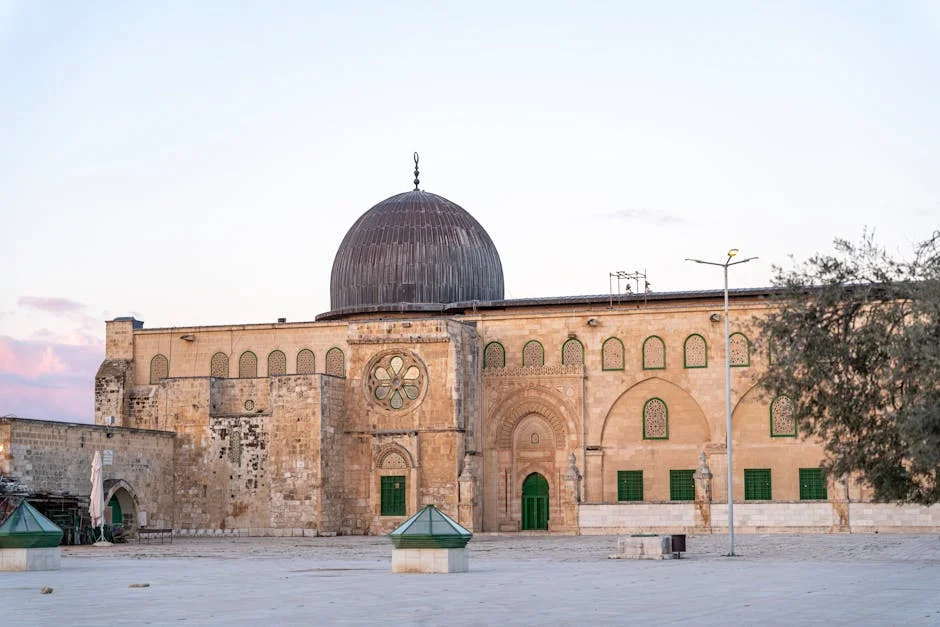
“The lack of progress is alarming,” said Dr. Amina Hassan, a geopolitical analyst at the Lagos Institute for Strategic Studies. “This isn’t just about borders—it’s about energy, resources, and security. A failure to resolve this could have ripple effects across the region, including in Nigeria.”
U.S. Involvement and Marco Rubio’s Stance
U.S. Senator Marco Rubio has been vocal about the need for a more active American role in the dispute. In a recent statement, he warned that inaction could embolden hostile actors in the region. “The U.S. must step up to ensure that stability is maintained,” Rubio said. “This isn’t just about Israel and Lebanon—it’s about the broader interests of the West in the Middle East.”
Rubio’s comments have sparked debate among Nigerian analysts, who see the U.S. involvement as a key factor in shaping regional dynamics. “The U.S. has a significant influence on how these conflicts are resolved,” said Professor Chidi Nwosu, a political scientist at the University of Lagos. “If the U.S. doesn’t act, it could leave a vacuum that other powers may fill.”
Impact on Daily Life and Local Economies
The ongoing tension has already begun to affect the daily lives of citizens in the region. In Lebanon, where the economy is already in crisis, the uncertainty has worsened inflation and reduced foreign investment. In Israel, businesses are cautious about long-term planning, fearing that instability could disrupt trade routes and energy supplies.
“The economic fallout is real,” said Youssef Khalil, a business owner in Beirut. “We’re already seeing higher prices and fewer customers. If the situation doesn’t improve, it could push more people into poverty.”
In Nigeria, where the economy is also facing challenges, the conflict in the Middle East has indirect but significant consequences. Energy prices in Nigeria have risen by 8% over the past month, according to the National Bureau of Statistics, partly due to regional instability. “This is a reminder of how interconnected our world is,” said Nwosu.
What’s Next for the Region?
The next round of talks is expected to take place in early June, but no agreement is anticipated. The U.N. has urged both sides to return to the negotiating table with a renewed commitment to finding a solution. Meanwhile, the U.S. is considering new diplomatic initiatives to encourage dialogue.
“The clock is ticking,” said Hassan. “If a resolution isn’t reached soon, the situation could spiral out of control. This is a critical moment for the region.”
The outcome of these negotiations will not only shape the future of Israel and Lebanon but will also have far-reaching implications for the broader Middle East and beyond. For citizens in Nigeria and other parts of Africa, the stakes are high, as regional instability can quickly translate into economic and political challenges at home.
See Also
- Kashmiri Leaders Meet Iranian Ambassador: Express Support for Tehran’s Stance
- Australia's PM Vows No Fuel Rationing After Major Refinery Fire
has a significant influence on how these conflicts are resolved,” said Professor Chidi Nwosu, a political scientist at the University of Lagos. doesn’t act, it could leave a vacuum that other powers may fill.” Impact on Daily Life and Local Economies The ongoing tension has already begun to affect the daily lives of citizens in the region.
What is the latest news about israel and lebanon near deadlock as talks stall?
Why does this matter for economy-business?
What are the key facts about israel and lebanon near deadlock as talks stall?