Sellfy, an online marketplace, has launched a major review of its 2022 performance, sparking conversations about its role in Nigeria’s growing digital economy. The platform, which allows small businesses to sell products online, has seen a surge in users, particularly in Lagos and Abuja. With over 150,000 registered sellers, the review highlights both the opportunities and challenges faced by local entrepreneurs.
Sellfy’s 2022 Review Sparks Debate
The platform’s 2022 review revealed that 40% of its users are based in Lagos, the economic hub of Nigeria. This growth has been attributed to improved internet connectivity and a rise in mobile banking. However, many small businesses report that the cost of using Sellfy has increased by 20% since the start of the year, raising concerns about accessibility.
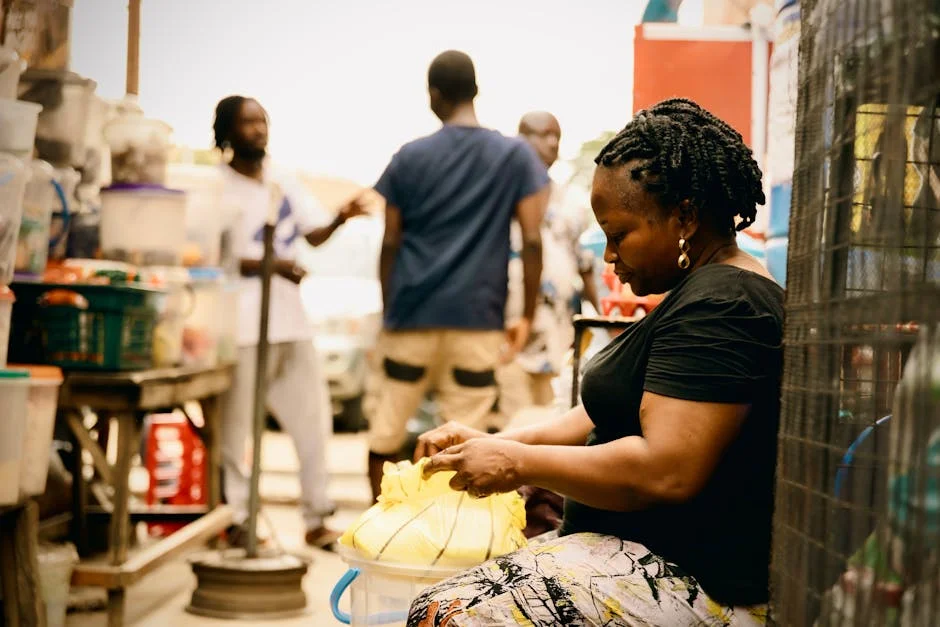
“The platform has been a lifeline for many of us,” said Amina Ibrahim, a clothing vendor in Lagos. “But the fees are getting too high. It’s making it harder for us to compete with bigger companies.”
Despite these challenges, Sellfy’s review also shows that the number of transactions on the platform has grown by 35% in 2022, indicating a strong demand for digital commerce. The review comes at a time when Nigeria’s e-commerce sector is expanding rapidly, with the government encouraging tech innovation to boost the economy.
Impact on Local Businesses and Consumers
The rise of Sellfy has had a direct impact on small businesses, many of which have transitioned from physical stores to online sales. In Abuja, for example, 60% of small retailers have now set up online shops, according to a 2022 survey by the Nigerian Business Council. This shift has allowed businesses to reach customers beyond their local areas, increasing their potential revenue.
However, the cost of using the platform is a growing concern. Sellers in Lagos and Port Harcourt report that the monthly subscription fee has risen from ₦5,000 to ₦6,000, making it harder for new entrepreneurs to enter the market. “It’s not just about the fees,” said Chidi Okoro, a local business owner. “It’s also about the competition with larger sellers who can afford to pay more for visibility.”
The review also highlights the role of Sellfy in improving consumer access to goods. With more sellers offering products online, customers in remote areas now have access to a wider range of items. This has been particularly beneficial for those living in rural parts of Kaduna and Kano states, where physical stores are limited.
Government and Industry Reactions
The Nigerian government has acknowledged the growing importance of e-commerce and has introduced policies to support digital entrepreneurship. In 2022, the Ministry of Communications and Digital Economy launched a program to provide free digital training for small businesses, including those using platforms like Sellfy. This initiative aims to help more Nigerians take advantage of the digital economy.
Industry experts, including Dr. Nkechi Uwadi, an economist at the University of Lagos, have noted that while platforms like Sellfy are creating new opportunities, they also need to be more transparent about their pricing structures. “The key is to ensure that the benefits of e-commerce are accessible to all,” she said. “If the costs continue to rise, it could limit the potential for growth in the sector.”
Challenges and Opportunities
One of the main challenges for Sellfy is maintaining a balance between profitability and accessibility. The platform’s review suggests that while it is expanding its services, it must also consider the needs of smaller sellers. This includes offering more flexible pricing models and better customer support.
Another challenge is the need for better digital infrastructure. Despite improvements, many areas in Nigeria still lack reliable internet access, which limits the reach of online platforms. The government has pledged to invest in broadband expansion, but progress has been slow.
Looking Ahead: What to Watch
As Sellfy continues its review and updates its services, the next few months will be crucial for its users. The platform has announced plans to introduce new tools for sellers, including better analytics and marketing features. These updates are expected to be rolled out by the end of 2023.
For now, the focus remains on how Sellfy and other e-commerce platforms can support the growth of small businesses in Nigeria. With the government pushing for digital transformation, the coming year will be a test of how well these platforms can adapt to the needs of local entrepreneurs.