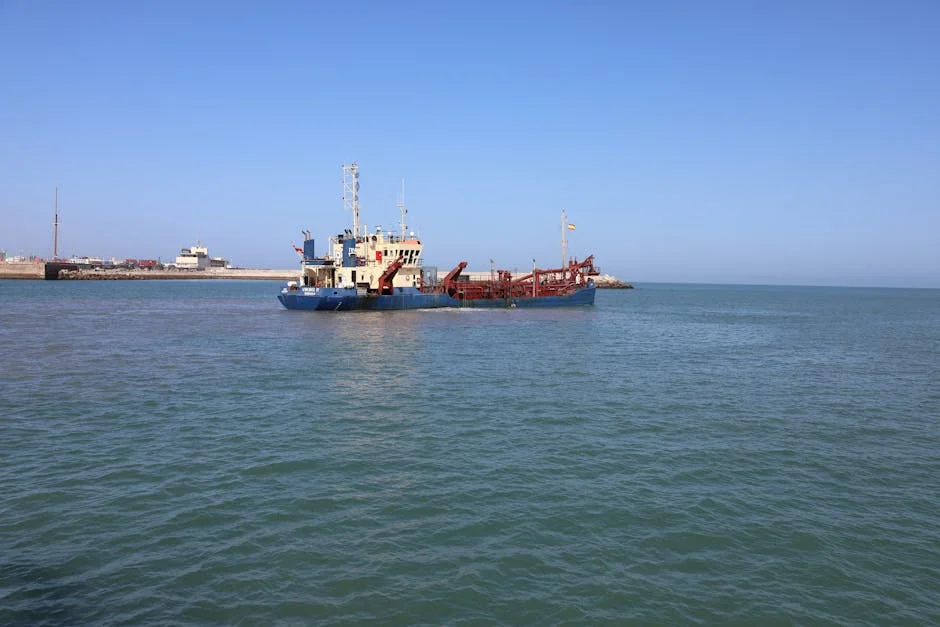
Iran has declared that the Strait of Hormuz remains open but under its control, sparking concerns among regional stakeholders and global shipping companies. The statement comes as tensions in the Persian Gulf escalate, with the Iranian government reinforcing its strategic presence in the vital waterway. The Strait, a critical route for 20% of global oil shipments, has long been a focal point of geopolitical disputes, and its status now directly affects trade and security across the region.
Strategic Significance of the Strait of Hormuz
The Strait of Hormuz, located between Iran and Oman, is one of the world’s most important maritime chokepoints. Any disruption here can cause sharp spikes in global oil prices, directly impacting economies that rely on imported fuel. In 2023, over 17 million barrels of oil passed through the strait daily, according to the International Energy Agency. This figure underscores the economic stakes for countries like Nigeria, which depends heavily on oil imports to power its industries and daily life.
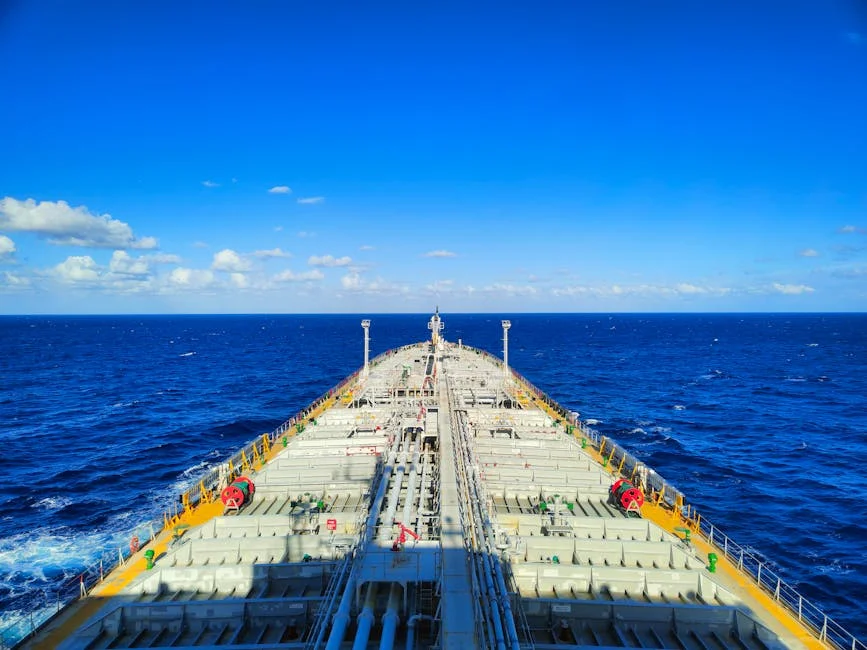
Iran’s recent assertion of control has raised alarms among shipping companies and regional governments. The country’s Islamic Revolutionary Guard Corps (IRGC) has been conducting regular patrols in the area, a move that has drawn criticism from the United States and its allies. “This is a dangerous escalation,” said Dr. Amina Al-Maktoum, a geopolitical analyst at the Dubai-based Gulf Research Centre. “The strait is a lifeline for global trade, and any unilateral control by one nation threatens stability.”
Impact on Regional Trade and Daily Life
The potential for conflict in the Strait of Hormuz has already begun to ripple through regional economies. In Nigeria, where fuel prices have been volatile, the situation could lead to further inflation. According to the Nigerian Bureau of Statistics, fuel prices rose by 12% in the first quarter of 2024, driven by global supply chain issues and local distribution challenges. If the strait becomes a battleground, the cost of oil could surge even higher, affecting everything from transportation to food production.
Communities along the coast of the Gulf of Oman, including cities like Sohar in Oman and Bandar Abbas in Iran, are also on high alert. These areas have seen increased military activity, with local fishermen and traders reporting heightened security checks. “We’re worried about the future,” said Mohammad Al-Sayed, a fisherman from Sohar. “If the strait is closed, it will affect our livelihoods and the entire region.”
Regional Responses and Diplomatic Efforts
Regional powers have responded with a mix of caution and diplomacy. The United Arab Emirates, a key trading partner for Nigeria, has urged all parties to avoid actions that could destabilize the area. “The Strait of Hormuz is a shared asset, and its security is a collective responsibility,” said UAE Foreign Minister Abdullah bin Zayed Al Nahyan in a recent statement. The Gulf Cooperation Council (GCC) has also called for dialogue, with members like Saudi Arabia and Bahrain emphasizing the need for a peaceful resolution.
At the same time, the Nigerian government has been monitoring the situation closely. The Ministry of Petroleum has issued a statement assuring citizens that the country has contingency plans in place to manage fuel supplies. “We are working with international partners to ensure that Nigeria’s energy needs are met,” said Minister of Petroleum, Abubakar Tafawa. “Our priority is to protect the interests of the Nigerian people.”
Global Implications and Economic Risks
The situation in the Strait of Hormuz has broader implications beyond the Middle East. Global markets are already reacting, with oil prices rising by 3% in the past week. This increase is expected to have a knock-on effect on inflation rates in developing nations, including Nigeria, where food and transportation costs are already a major concern. The International Monetary Fund (IMF) has warned that a prolonged crisis in the region could slow global economic growth by 0.5% in 2024.
For Nigeria, the stakes are high. The country’s economy is heavily dependent on oil exports, and any disruption in global supply chains could have a direct impact on government revenue and public services. With inflation hovering around 25%, the government faces growing pressure to stabilize the economy and protect vulnerable communities from rising costs.
What Comes Next?
As tensions continue to rise, the coming weeks will be critical for the region. The United Nations has called for an emergency meeting to address the situation, and regional leaders are expected to hold discussions in the next month. For Nigeria and its neighbors, the priority remains ensuring the stability of the Strait of Hormuz and safeguarding their economic interests.
The next major test will come in late May, when the Gulf Cooperation Council plans to hold a summit to address security concerns in the region. Until then, citizens and businesses across the Gulf and beyond will be watching closely, hoping for a peaceful resolution to what could become a major geopolitical crisis.
See Also
- NIA Seizes Properties of Jaish Operative in 2017 J-K Attack Case
- Mais Reveals Insights into Nigerian Household Budgets - What It Means for Development
This increase is expected to have a knock-on effect on inflation rates in developing nations, including Nigeria, where food and transportation costs are already a major concern. The next major test will come in late May, when the Gulf Cooperation Council plans to hold a summit to address security concerns in the region.