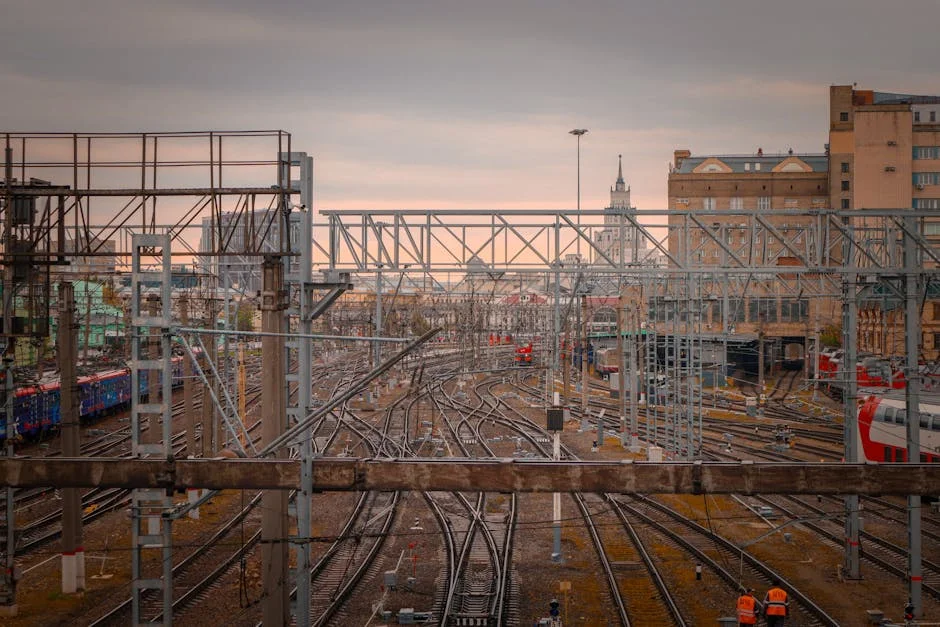
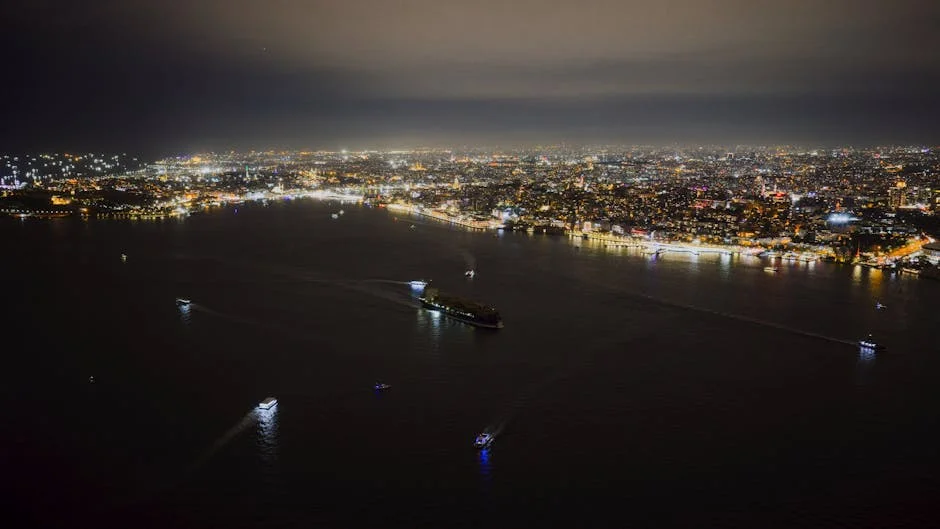
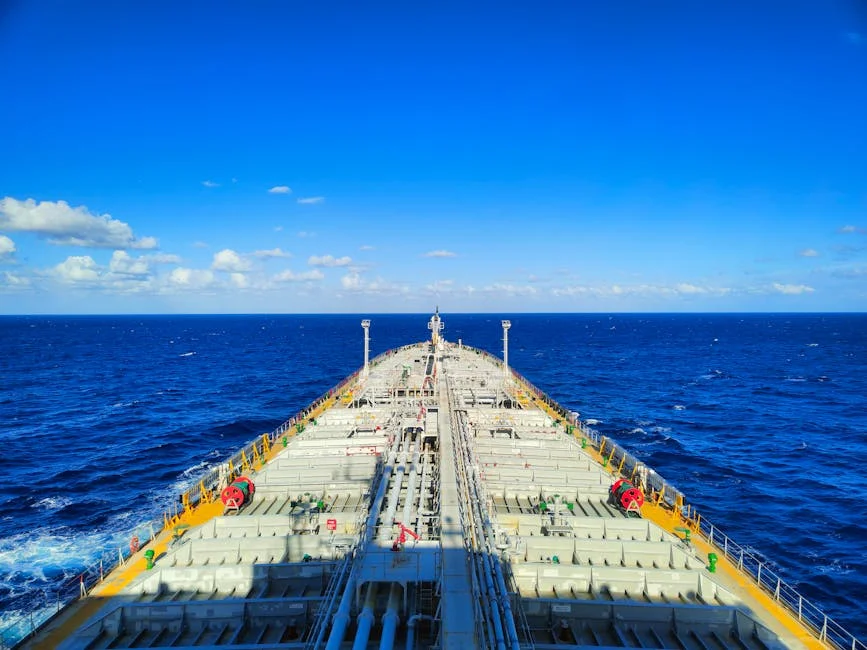
Iran has imposed a full blockade on the Strait of Hormuz, a critical maritime passage for global oil trade, triggering immediate disruptions in fuel supplies across Europe and Asia. The move, announced by Iranian Foreign Minister Mohammad Javad Zarif, has sent shockwaves through international markets, with fuel prices in Europe rising by 12% in just 48 hours. The region’s energy security is now under unprecedented pressure as nations scramble to secure alternative supply routes.
Global Fuel Market in Chaos
The Strait of Hormuz, which handles nearly 20% of the world’s oil supply, has become a flashpoint in the ongoing geopolitical tensions between Iran and Western nations. The blockade has forced shipping companies to reroute vessels through the more expensive and longer Arabian Sea route, adding an estimated $15 per barrel to the cost of crude oil. In Spain, the price of diesel has surged to €1.80 per litre, the highest level in over a decade.
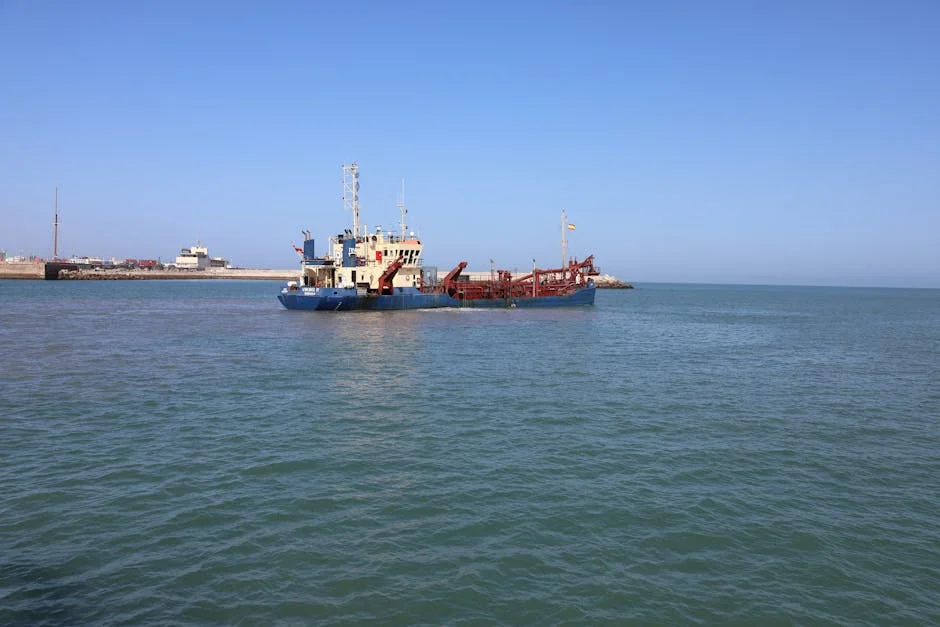
European Union energy officials have warned that the crisis could lead to a 15% increase in inflation by the end of the year. "This is not just a regional issue — it’s a global economic crisis in the making," said EU Energy Commissioner Kadri Simson. The impact is being felt most acutely in countries that rely heavily on imported fuel, including Nigeria, which sources over 70% of its oil from the Middle East.
Impact on Daily Life in Europe
For everyday citizens in Europe, the rising cost of fuel has already begun to reshape daily routines. In Italy, public transport operators have announced fare hikes of up to 10%, while trucking companies are passing on the increased costs to consumers. In Germany, the price of a litre of gasoline has climbed to €1.75, pushing many households to reconsider car ownership and fuel consumption.
Small businesses, particularly in rural areas, are also feeling the strain. "We’re paying more for fuel every day, and we can’t pass the cost on to customers," said Maria Lopez, a café owner in Valencia, Spain. "This is affecting our ability to stay open." The ripple effect is spreading across sectors, from agriculture to logistics, as companies adjust to the new economic reality.
Regional Trade and Economic Consequences
The blockade has also disrupted regional trade flows, with the European Union’s largest port, Rotterdam, reporting a 30% drop in oil shipments from the Middle East. The Dutch government has stepped in to offer temporary subsidies to fuel distributors, but the measures are seen as a short-term fix. "We need a coordinated international response to prevent this from spiraling into a full-blown economic crisis," said Dutch Economic Minister Sigrid Kaandorp.
The impact is not limited to Europe. In Asia, countries like Japan and South Korea are also experiencing fuel shortages, with Japan’s Ministry of Economy, Trade and Industry reporting a 25% increase in fuel prices. The situation has prompted emergency talks between Asian nations and the United States to explore alternative supply chains and regional energy partnerships.
Regional Response and International Pressure
European leaders have called for an emergency summit to address the crisis, with French President Emmanuel Macron urging the EU to accelerate its transition to renewable energy. "This is a wake-up call — we cannot continue to rely on unstable regions for our energy needs," he said in a recent address. Meanwhile, the U.S. has deployed additional naval forces to the region to ensure the safe passage of commercial vessels.
Local communities are also taking action. In Portugal, a grassroots movement has emerged to promote carpooling and public transport use, while in Greece, a coalition of small business owners is pushing for government intervention. "We need support, not just words," said Dimitris Kallistratos, a member of the Greek Small Business Association.
What Comes Next?
The situation remains highly volatile, with no immediate resolution in sight. The European Union has set a deadline of October 15 for a comprehensive energy strategy to reduce dependence on Middle Eastern oil. Meanwhile, the U.S. and its allies are preparing for potential military escalation, with the U.S. Navy conducting joint exercises with regional partners to ensure the free flow of commerce.
For now, the focus remains on managing the immediate fallout. Citizens and businesses across Europe and Asia are bracing for further price hikes and supply disruptions. The coming weeks will determine whether this crisis leads to long-term policy shifts or merely a temporary spike in costs.
See Also
- Cardoso Praises Squad Rotation as Nigeria Eyes CAF Success - A Path to African Development
- With Big Tech Slams AI Hype Amid Global Tech Overload