The United States has abruptly suspended oil shipments through the Strait of Hormuz, triggering a sharp spike in global fuel prices and raising alarms among regional stakeholders. The move, announced late Tuesday by the US Department of Energy, came after a series of escalating tensions between Iran and the US, with the latter citing security concerns over vessel movements. The decision affects over 17% of the world’s oil supply, with Nigeria’s eastern ports among the hardest hit.
Regional Shipping Chaos
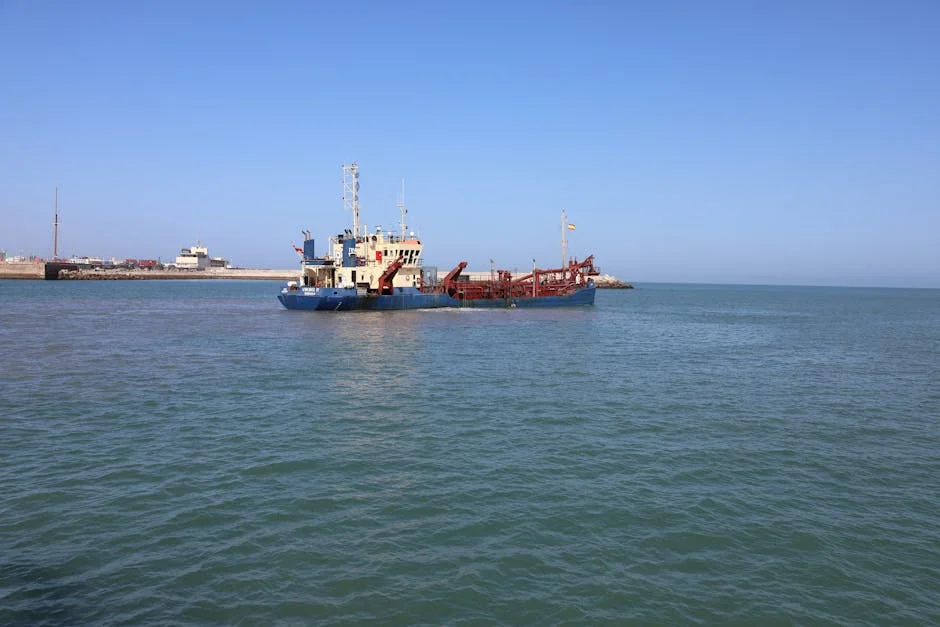
The sudden suspension of oil shipments through the Strait of Hormuz, a critical chokepoint for global trade, has created a logistical nightmare for regional shipping companies. The US Coast Guard confirmed that 12 vessels were rerouted to alternative ports, including Lagos and Port Harcourt in Nigeria. This has led to a backlog of over 400,000 tons of crude oil, with fuel prices in Nigeria already rising by 12% within 24 hours.
“We are scrambling to find alternative routes, but it’s not easy,” said Chidi Okoro, a logistics manager at Delta Shipping Company. “The cost of fuel has gone up, and we’re passing that on to customers. This is not sustainable.” The ripple effect is being felt across the West African region, where fuel is a critical input for transportation, agriculture, and small businesses.
Impact on Daily Life
For Nigerian citizens, the disruption has already begun to affect daily life. In Lagos, fuel queues have grown longer, with some drivers waiting up to six hours to fill up. The price of a litre of petrol has climbed to N210, up from N185 just a week ago. This has sparked frustration among commuters, many of whom rely on private vehicles for work and school.
“I used to spend N1,500 a week on fuel,” said Amina Bello, a teacher in Abuja. “Now, I’m spending N2,000. It’s impossible to manage.” The rising cost of fuel is also driving up the prices of other goods, as transportation costs are passed on to consumers. In Kaduna, bread prices have increased by 8%, while taxi fares have gone up by 15%.
Local businesses are also feeling the pressure. Small traders in Kano have reported a 20% drop in sales due to reduced customer footfall, as people cut back on non-essential spending. “We’re not sure how long this will last,” said Musa Abubakar, a market vendor. “This is not just about fuel — it’s about survival.”
Political and Economic Fallout
The decision by the US has drawn sharp criticism from regional leaders, who argue that the move is more about geopolitical posturing than security. The Nigerian Minister of Foreign Affairs, Zainab Aminu, condemned the action, stating, “This is a direct threat to the stability of the region. We urge the US to reconsider its stance.”
Analysts warn that the disruption could have long-term economic consequences. “This is not just a short-term issue,” said Dr. Nia Okafor, an economist at the University of Lagos. “If the Strait remains closed, it could lead to a slowdown in trade and investment, affecting millions of people.” The Nigerian government has called for an emergency meeting with the African Union to discuss a coordinated response.
Meanwhile, the oil sector is bracing for further volatility. The Nigerian National Petroleum Corporation (NNPC) has warned that fuel shortages could persist for up to two weeks, depending on the situation in the Strait. This has led to fears of a broader economic slowdown, particularly in sectors reliant on transportation and manufacturing.
Regional Response and Solidarity
Regional bodies have begun to mobilise in response to the crisis. The Economic Community of West African States (ECOWAS) has proposed an emergency fuel import plan, with member states agreeing to share reserves. Nigeria, Ghana, and Côte d'Ivoire have pledged to increase their domestic production to offset the shortage.
“We cannot afford to let this crisis escalate,” said ECOWAS Secretary-General Jean-Claude Kemi. “Our priority is to ensure that citizens have access to essential goods and services.” The regional response has been praised by some as a sign of growing unity, but others argue that more needs to be done to prevent future disruptions.
What to Watch Next
The coming days will be critical in determining the long-term impact of the US decision. The Nigerian government has set a deadline of next week to finalise an emergency fuel import deal with regional partners. Meanwhile, the US has not yet provided a timeline for when the Strait of Hormuz will reopen.
Analysts are also monitoring the situation in the Middle East, where tensions between Iran and the US remain high. Any further escalation could lead to more disruptions, with potentially devastating consequences for global markets. For now, the focus is on managing the immediate fallout and ensuring that citizens have access to essential goods.
See Also
- Dangote Inaugurates 15 Billion Naira Nationwide Palliatives Distribution with One Million Bags of 10 kg Rice
- Hannah Donker talks being The Weeknd’s love interest in ‘Secrets’