Nigeria's economy is facing a deepening crisis, with Kaduna state bearing the brunt of failed reforms and stalled development. The state, a key economic hub in northern Nigeria, has seen its growth prospects dim as government policies fail to deliver promised improvements. This economic slowdown is not just a national concern—it is directly impacting the daily lives of citizens in Kaduna, where rising unemployment and falling wages are creating a ripple effect across communities.
Failed Reforms Leave Kaduna in the Lurch
Reforms aimed at revitalising Nigeria’s economy have largely failed to materialise, leaving states like Kaduna struggling to recover from years of underinvestment. The Kaduna State Ministry of Economic Planning reported a 12% decline in small business activity in 2024, a stark indicator of the economic stagnation gripping the region. "The reforms were supposed to bring investment and jobs, but we’re still waiting," said Amina Musa, a local business owner in Kaduna’s central market. "Prices are up, but wages are not."
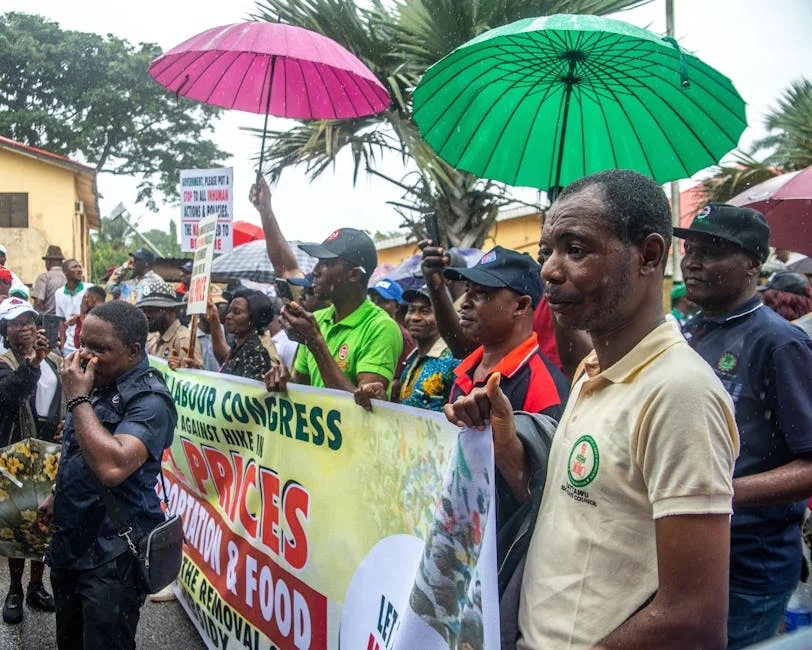
The state’s economic challenges are compounded by the national government’s inability to stabilise the currency. The naira has lost over 40% of its value against the US dollar in the past year, making imported goods unaffordable for many. In Kaduna, where 65% of the population relies on agriculture and small trade, the impact is severe. "We used to import seeds and fertilisers from abroad, but now it’s too expensive," said farmer Suleiman Abubakar. "We’re producing less, and the cost of living is rising."
Local Economy Under Pressure
The local economy in Kaduna is feeling the strain of both national and regional instability. According to the Kaduna State Bureau of Statistics, the unemployment rate has climbed to 28% in the past year, with young people disproportionately affected. "Many of our youth are leaving for bigger cities or even abroad in search of work," said Dr. Bashir Adam, an economist at Kaduna State University. "This is a brain drain that could hurt the state’s long-term growth."
Businesses in Kaduna are also struggling to stay afloat. The Kaduna Chamber of Commerce reported that 15% of registered businesses closed in 2024, with many citing rising operational costs and declining consumer spending. "We’re seeing a lot of small traders go out of business," said Yusuf Hassan, a shopkeeper in the city’s main market. "People can’t afford to buy as much as they used to."
Community Response and Social Impact
Communities in Kaduna are increasingly turning to informal networks to cope with the economic downturn. Local cooperatives and community-based savings groups are gaining popularity as people look for alternative ways to support themselves. "We’re forming groups to pool money and help each other through tough times," said Fatima Yaro, a member of a women’s savings group in Kaduna. "It’s not a solution, but it helps."
However, the social impact of the crisis is growing. Schools in Kaduna are reporting higher dropout rates as families struggle to pay for education. "Many parents are pulling their children out of school to work," said Mr. Ibrahim Dauda, a teacher at a secondary school in the state. "This is a worrying trend that could have long-term consequences."
Struggles in the Agricultural Sector
Agri-businesses in Kaduna are among the hardest hit by the economic downturn. With rising input costs and unstable markets, farmers are finding it increasingly difficult to sustain their operations. "We’re not making a profit anymore," said farmer Umar Ali. "We’re barely breaking even." The state’s agricultural sector, which accounts for 35% of its GDP, is now in decline, with many farmers switching to less profitable crops or abandoning farming altogether.
Local authorities are attempting to provide relief, but resources are limited. The Kaduna State Government has launched a small-scale job creation program, but it has only reached a fraction of those in need. "We need more support from the federal government," said Kaduna State Governor Nasir El-Rufai. "This is not just a state issue—it’s a national crisis."
Looking Ahead: What’s Next for Kaduna?
With the 2025 budget season approaching, there is hope that Kaduna will see some relief from the federal government. However, many locals remain sceptical. "We’ve heard promises before," said Amina Musa. "We need action, not just words." The state’s economic future will depend on both national policy changes and local initiatives to foster growth and resilience.
As the situation in Kaduna continues to evolve, the region’s citizens are watching closely. With the upcoming budget discussions and potential policy shifts, the coming months could determine whether the state can begin to recover from the economic slump that has gripped it for years.
See Also
- Marcelo Rebelo's Visit to Nigeria Sparks Debate on Development Goals: What It Means
- Yash Raj Punja's Brother Shines in IPL Debut — Cricket Fans in Lagos Take Notice
"It’s not a solution, but it helps." However, the social impact of the crisis is growing. "This is a worrying trend that could have long-term consequences." Struggles in the Agricultural Sector Agri-businesses in Kaduna are among the hardest hit by the economic downturn.
What is the latest news about nigerias economy slumps as kaduna struggles with growth crisis?
Why does this matter for economy-business?
What are the key facts about nigerias economy slumps as kaduna struggles with growth crisis?