The U.S. Senate has adopted a Republican-backed budget, dismissing proposals aimed at enhancing affordability, a decision that could ripple across global markets, including Nigeria. Passed on Thursday, this budget prioritises reducing federal spending over new social investments, a move that has stirred debate among Democrats who advocated for measures to alleviate living costs.
Impact on Nigeria's Economy
Nigeria, heavily reliant on oil exports, often feels the effects of U.S. fiscal policies due to the interconnectedness of global markets. The Senate's decision could influence oil prices, which have a direct impact on Nigeria’s economy. As the budget focuses on curbing federal expenditure, it might lead to higher interest rates in the U.S., affecting global borrowing costs.
According to the Nigerian Ministry of Finance, approximately 90% of Nigeria’s foreign exchange earnings come from oil. Any fluctuation in oil prices can significantly affect the country’s revenue and, by extension, its ability to fund public services and projects.
Local Communities and Daily Life
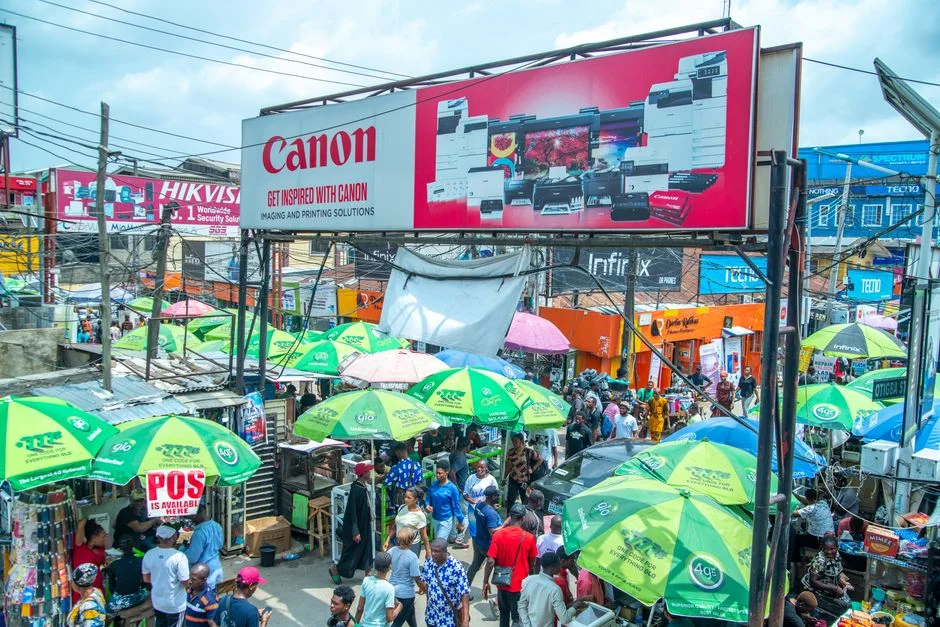
For Nigerian communities, the Senate's decision transcends economic statistics. Many local businesses depend on affordable imports and stable exchange rates, which could be disrupted by the ripple effects of U.S. fiscal policy. If oil prices drop due to decreased U.S. demand, it could reduce government revenue and potentially lead to budget cuts in critical areas like healthcare and education.
The Lagos Chamber of Commerce and Industry has voiced concerns that such international developments could exacerbate existing economic challenges, including inflation and unemployment, which are already pressing issues for Nigerian citizens.
Social Impact and Community Response
Social impacts are likely to manifest in the form of increased cost of living. Communities already struggling with inflation may find it harder to meet daily expenses. In response, local advocacy groups are urging the Nigerian government to diversify its economy to reduce dependency on oil.
Furthermore, there is a growing call for improved fiscal policies that can cushion the effects of external economic shocks. Community leaders are emphasizing the need for investment in sectors like agriculture and technology to drive sustainable growth.
What to Watch Next
As the U.S. budget is implemented, Nigeria will need to monitor changes in oil prices closely. Financial analysts suggest that should interest rates rise in the U.S., it may affect Nigeria’s own borrowing costs and capital flows. The Nigerian government is expected to review its economic strategies to mitigate any adverse effects.
Moving forward, stakeholders will be observing the Nigerian Central Bank's response, particularly in terms of monetary policy adjustments. Upcoming reports on oil prices and foreign exchange reserves will be critical for planning the country’s fiscal future.
See Also
- Najeriya ta bayyana rashin jin dadi da ficewar wasu daga cikin mambobin ECOWAS
- Modi Congratulates Balendra Shah on Nepal Election Win — What It Means for Nigeria
What is the latest news about senate adopts gop budget rejecting affordability proposals impact on nigeria?
Why does this matter for politics-governance?
What are the key facts about senate adopts gop budget rejecting affordability proposals impact on nigeria?