A massive crocodile has claimed the life of a prominent local businessman in Mpumalanga, sending shockwaves through the province and altering daily routines for thousands of residents. The victim, identified as Gabriel Batista, was found missing after venturing near the waters of the Crocodile River, a popular yet increasingly unpredictable stretch of waterway. Local authorities have confirmed the grim discovery, marking a rare instance where wildlife encroachment directly disrupts the social and economic fabric of a South African community.
Identifying the Victim and the Incident
Gabriel Batista was not just a face in the crowd; he was a well-known figure in the local business community. Residents describe him as a vital connector in the regional trade network, often seen at local markets and community gatherings. His disappearance sparked an immediate and frantic search effort that involved both local police and wildlife experts from the Mpumalanga Department of Economic Development, Tourism and Environment. The speed at which the search concluded speaks to the urgency felt by the community.
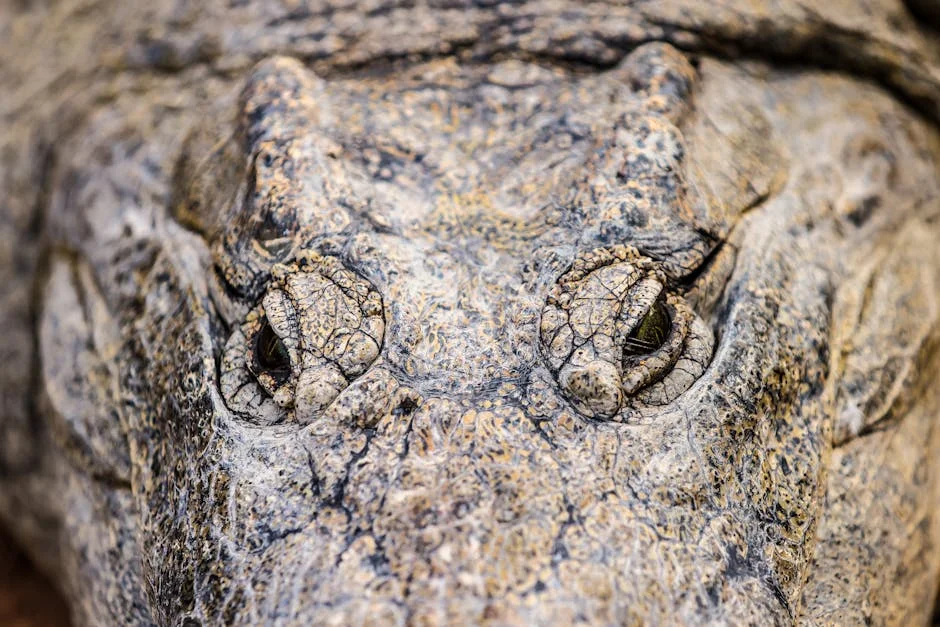
The incident occurred near a popular recreational spot along the Crocodile River, an area frequently used by locals for fishing and weekend relaxation. Witnesses reported seeing a large male crocodile, estimated to be over four meters in length, lurking near the bank where Batista was last seen. This specific location has become a focal point for the community, transforming from a leisure destination into a site of caution and mourning. The loss of a prominent business figure like Batista highlights the vulnerability of citizens who often share their space with apex predators.
Immediate Impact on Local Communities
The death of Gabriel Batista has triggered a tangible shift in how residents interact with their immediate environment. Schools near the riverbanks have issued advisories to parents, urging them to keep children away from the water’s edge during peak crocodile activity hours. Local shop owners report a noticeable dip in foot traffic as people choose to walk longer routes to avoid the perceived danger zones. This behavioral change, while seemingly minor, accumulates to affect the daily economic rhythm of the neighborhood.
Community leaders have organized impromptu meetings to discuss safety measures, reflecting the anxiety that permeates the area. The fear is not just about the animal itself but about the unpredictability of nature in a rapidly developing region. Residents are demanding more visible signage and perhaps even temporary fencing along certain stretches of the river. The emotional toll is evident in the local discourse, with many expressing a sense of loss that extends beyond the individual victim to the collective security of the neighborhood.
Economic Ripples in the Local Market
The local economy, particularly the small business sector, feels the pinch immediately. Restaurants and cafes situated along the riverfront have seen a decline in evening patrons, who previously enjoyed the scenic views. This drop in revenue forces business owners to reconsider their operating hours or even their lease agreements. For a province like Mpumalanga, where tourism and local commerce are intertwined, such disruptions can have cascading effects on employment and local income levels.
Small vendors who rely on the foot traffic generated by the river’s popularity are also affected. The uncertainty surrounding the crocodile’s presence means that customers are more likely to drive past rather than stop and shop. This subtle shift in consumer behavior underscores how wildlife incidents can directly influence economic decisions at the grassroots level. Businesses are now factoring in “wildlife risk” into their daily operational strategies, a new variable in the local economic equation.
Wildlife Management and Human-Wildlife Conflict
This incident highlights the ongoing tension between urban expansion and wildlife preservation in Mpumalanga. As towns grow, they inevitably encroach on the natural habitats of large animals, leading to more frequent encounters. The Department of Economic Development, Tourism and Environment is under pressure to provide a clear strategy for managing the crocodile population. Residents are asking whether the current management plans are sufficient to protect both the wildlife and the citizens who share the landscape.
Experts point out that crocodiles are naturally curious and territorial, often moving into new areas as water levels change or prey becomes scarce. The specific crocodile involved in the Batista incident is believed to be a mature male, known for its dominance and size. Understanding the behavior of these animals is crucial for developing effective management strategies. However, the challenge lies in balancing the ecological needs of the crocodiles with the safety concerns of the growing human population.
Public Reaction and Community Resilience
The community has responded with a mix of grief and determination. Memorial services have been organized, bringing together neighbors, colleagues, and friends to honor Gabriel Batista’s life. These gatherings serve not only as a tribute but also as a platform for discussing future safety measures. The resilience of the community is evident in their proactive approach to the crisis, with local leaders taking the initiative to coordinate with authorities.
Social media has played a significant role in spreading awareness and coordinating search efforts. Residents have used platforms like WhatsApp and Facebook to share real-time updates, photos, and safety tips. This digital mobilization has helped to keep the community informed and engaged, fostering a sense of collective responsibility. The online discourse also reflects the broader concerns about infrastructure and planning in the region, with many calling for more investment in public safety.
Government Response and Policy Implications
The provincial government has launched an investigation into the incident, aiming to determine the exact circumstances of the attack and the behavior of the crocodile. This investigation is expected to inform future policy decisions regarding wildlife management in urban and semi-urban areas. The findings could lead to changes in how local authorities handle similar incidents, potentially involving more frequent patrols or the introduction of new signage and barriers.
Policy makers are also considering the broader implications of human-wildlife conflict in Mpumalanga. As the province continues to develop, the need for integrated land-use planning becomes more critical. This includes designating specific zones for wildlife and ensuring that infrastructure development does not unnecessarily fragment habitats. The government’s response to the Batista incident will be watched closely by other regions facing similar challenges.
What to Watch Next in Mpumalanga
Residents and visitors alike should monitor official announcements from the Mpumalanga Department of Economic Development, Tourism and Environment regarding the status of the crocodile. Authorities may decide to relocate the animal or implement stricter warning systems along the riverbanks. Keeping an eye on local news updates will provide the most accurate information on safety measures and any changes to public access to the river.
The coming weeks will be crucial for understanding the long-term impact of this incident on the community. Local businesses will need to adapt to the new reality, and residents will continue to adjust their daily routines. The response of the government and the engagement of the community will shape how Mpumalanga manages the delicate balance between human development and wildlife conservation. Stay informed and prepared as the situation evolves.
See Also
- Atletico Madrid Misses Targets as Simeone Demands Precision
- Cal Flyn Exposes How Big Game Hunting Can Save Africa's Wildlife
The online discourse also reflects the broader concerns about infrastructure and planning in the region, with many calling for more investment in public safety. Experts point out that crocodiles are naturally curious and territorial, often moving into new areas as water levels change or prey becomes scarce.