Three years on from the tragic Murray murders, the case continues to resonate in Nigeria, affecting the legal landscape and local communities. The murder of Thomas Murray and two others in Lagos left a lasting impact, highlighting flaws within the justice system and prompting calls for reform.
The Murders and Their Immediate Aftermath
Thomas Murray, a prominent businessman, was found dead alongside colleagues Kyle Cowan and Jeff Wicks in their Lagos office in October 2020. The case shocked the nation, drawing attention to the security challenges faced by businesses in Nigeria. The trio's deaths led to increased scrutiny on crime prevention strategies and the effectiveness of law enforcement in urban areas.

The police investigation, which began immediately following the discovery of the bodies, faced criticism for its slow progress and lack of transparency. Community leaders in Lagos expressed concerns over the time it took for authorities to bring suspects to justice, with some fearing that such high-profile cases could deter foreign investment and impact the local economy.
Legal System Under the Spotlight
The Murray murder case has spotlighted issues within Nigeria's legal system, particularly regarding case backlog and the capacity of courts to handle complex legal proceedings. Legal expert Cloete, who has followed the case, notes that the delays in prosecution have highlighted the urgent need for judicial reforms to ensure timely justice delivery in high-profile cases.
Moreover, the case has prompted discussions around the adequacy of legal protections for businesses operating in Nigeria. Many industry stakeholders are demanding clearer regulations and more robust enforcement mechanisms to prevent such tragedies in the future.
Community Response and Social Impact
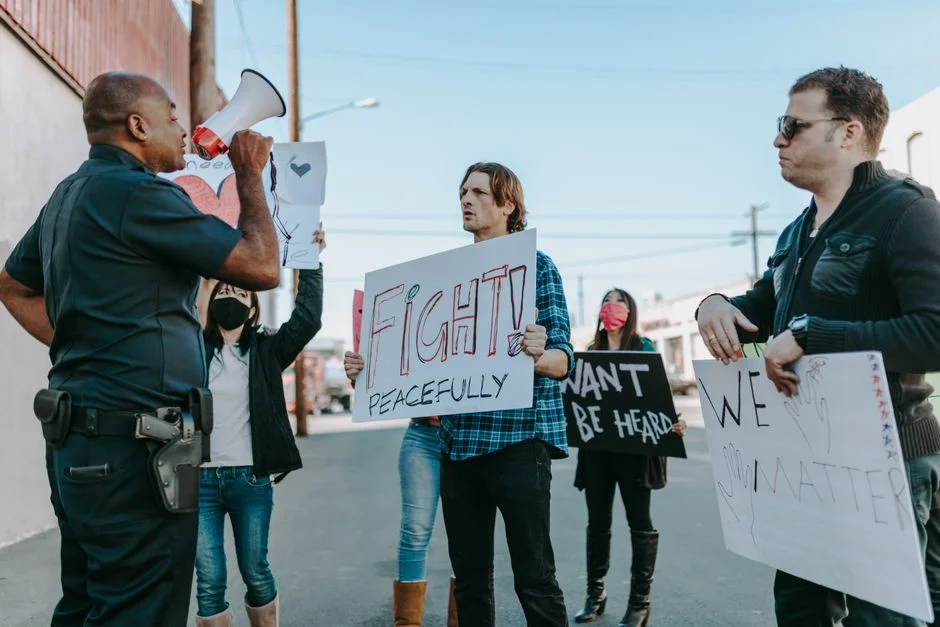
The local community in Lagos has shown resilience in the face of this tragedy. Community initiatives have emerged, focusing on improving neighborhood safety and advocating for victims' rights. These grassroots movements have been instrumental in pushing for policy changes and maintaining public awareness of ongoing legal proceedings.
Residents have organized regular community meetings to discuss safety measures and engage with local law enforcement, fostering a collaborative approach to tackling crime. This proactive community response has been crucial in maintaining a sense of security and solidarity among citizens.
What Lies Ahead?
As the legal proceedings continue, the Murray murder case remains a pivotal point for evaluating Nigeria's legal and security frameworks. The next court hearing, scheduled for early next year, is expected to address several key issues, including procedural delays and the adequacy of evidence presented by the prosecution.
Observers are watching closely to see whether the case will lead to meaningful reforms in Nigeria's judicial system. The outcomes could influence future legislation and practices, affecting how similar cases are handled and potentially enhancing Nigeria's appeal as a secure destination for international business.
See Also
- Bruce Whitfield Warns South Africa Faces Global Recession Fallout
- Sporting Cristal's Victory Over Junior Shakes Up Nigerian Football Fans
Many industry stakeholders are demanding clearer regulations and more robust enforcement mechanisms to prevent such tragedies in the future.Community Response and Social ImpactThe local community in Lagos has shown resilience in the face of this tragedy. Community initiatives have emerged, focusing on improving neighborhood safety and advocating for victims' rights.