The recent diphtheria outbreak in Kano State has led to a tragic loss of over 50 children's lives, according to lawmakers. The alarm was raised by Hon. Ibrahim Malami, representing Rano Constituency, through a motion of urgent public importance presented to the House. This tragic incident has heightened concerns about public health infrastructure and response in Kano and other Nigerian states.
Immediate Facts and Key Actors
Diphtheria is a serious bacterial infection that affects the mucous membranes of the throat and nose. The outbreak in Kano has drawn attention to the state’s healthcare preparedness and response mechanisms. Hon. Ibrahim Malami's call to action highlights the urgency with which this health crisis needs to be addressed, as well as the gaps in the current health system.
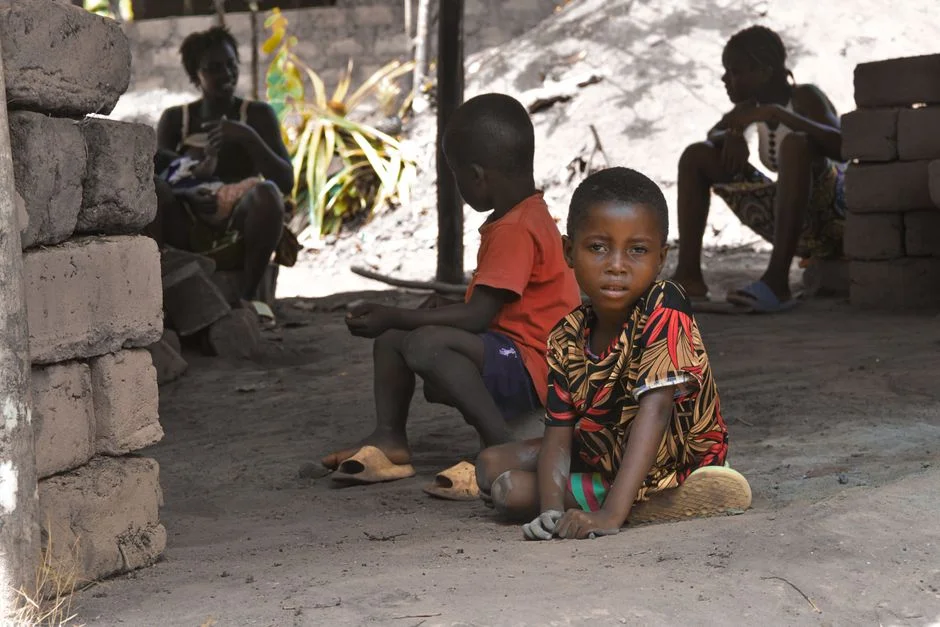
The member representing Rano Constituency, Hon. Ibrahim Malami, has been vocal about the need for immediate intervention to prevent further loss of lives. This outbreak has also put pressure on local health authorities to improve vaccination coverage and response measures. The call by Hon. Malami aims to secure immediate deployment of resources to contain the outbreak and prevent it from spreading to other regions.
The Local Response
Efforts to combat the outbreak have been marred by logistical challenges and resource constraints. Kano's healthcare facilities are reportedly overwhelmed, and there is a pressing need for additional medical supplies and personnel. The state's reaction to this crisis will be crucial in determining the outcomes and preventing future outbreaks.
Local health officials have appealed for increased support from the federal government and international health organizations. The situation has also prompted discussions about improving vaccine accessibility and public health education to curb the spread of diphtheria and similar infectious diseases.
In light of these challenges, there is an urgent need for strategic planning and effective resource allocation. This includes bolstering the capacity of healthcare workers, ensuring adequate vaccine supply, and enhancing community awareness about disease prevention and control.
Background and Importance of Development
The outbreak is not an isolated incident but part of a broader issue of inadequate healthcare infrastructure in Nigeria. Historically, Nigeria has struggled with various outbreaks due to gaps in healthcare delivery, insufficient funding, and logistical hurdles. The Kano outbreak underscores the critical need for a robust healthcare system capable of handling such emergencies.
Diphtheria, although preventable through vaccination, has resurfaced as a public health threat due to lapses in immunization programs. The declining vaccination rates in some regions are attributed to a combination of factors, including misinformation, lack of access, and socio-economic barriers.
The Role of Government and Policy
The Nigerian government faces scrutiny regarding its commitment to public health, particularly in preventive care. The Kano outbreak serves as a stark reminder of the consequences of underfunding public health and the necessary reforms to prioritize such issues at national and state levels.
- Implementation of comprehensive vaccination campaigns across all states.
- Strengthening healthcare infrastructure at the grassroots level.
- Information dissemination and community engagement to counteract misinformation.
Lawmakers have called for a comprehensive review of Nigeria's public health policies to ensure they are fit for purpose in preventing and managing outbreaks. This incident has triggered a need for policy reform to better equip health systems to deal with outbreaks swiftly and effectively.
Broader Implications and Future Watch
The implications of the Kano outbreak extend beyond immediate public health concerns. It highlights systemic issues within Nigeria's health sector, including inadequate funding, poor infrastructure, and challenges in maintaining effective vaccination programs. Addressing these issues requires coordinated efforts involving government, health organizations, and local communities.
As Nigeria navigates this outbreak, it serves as a reminder of the importance of investment in health infrastructure and preventive care. The lessons from Kano can guide future actions and policies aimed at strengthening Nigeria's health systems against similar outbreaks.
Looking ahead, there is a need for continuous monitoring and evaluation of Nigeria’s response to the outbreak. This includes assessing the effectiveness of current strategies and identifying areas for improvement. Stakeholders must remain vigilant in implementing robust systems to prevent future outbreaks and ensure public health safety.
The immediate focus should be on mitigating the current crisis, but a long-term view toward sustainable health improvements and preventive measures is essential. The discussions among lawmakers, health officials, and community leaders must translate into actionable steps that safeguard public health and prevent future tragedies.
In the coming months, the focus will likely shift towards recovery and prevention strategies. It will be crucial to observe how the Nigerian government and health authorities respond to calls for increased funding, policy reforms, and community-based interventions. The outcome of these efforts will determine the nation’s progress in protecting its citizens from similar health crises in the future.
Community Engagement and Education
To address the ongoing diphtheria crisis effectively, there is an essential need for robust community engagement and education initiatives. The success of any public health intervention relies significantly on the awareness and cooperation of the local population. In Kano State, where cultural beliefs and misinformation can impede health campaigns, targeted education strategies are crucial.
Community health workers play a pivotal role in bridging the gap between health authorities and residents. These workers, often members of the communities they serve, can leverage their local knowledge and trust to disseminate accurate information about diphtheria prevention, symptoms, and treatment options. Their involvement is critical in countering misinformation and encouraging community participation in vaccination drives.
Additionally, leveraging traditional and social media platforms to spread awareness about the importance of vaccination and early symptom recognition can amplify outreach efforts. Radio programs, community meetings, and social media campaigns can be tailored to address specific concerns and misconceptions prevalent in the region. These initiatives should aim to dispel myths surrounding vaccines, highlight the dangers of diphtheria, and educate families on preventive measures.
Moreover, engaging religious and community leaders as advocates for vaccination and public health can significantly influence community attitudes. These leaders, respected for their authority and guidance, can endorse health campaigns and encourage compliance with public health advisories. Their support can foster a community-wide commitment to health initiatives, thereby enhancing the overall effectiveness of intervention efforts.
Competing Views on Vaccination Policies
While there is a consensus on the need for improved vaccination coverage, differing views exist on how best to achieve this. Some health experts advocate for mandatory vaccination policies to ensure high immunization rates and protect community health. They argue that compulsory vaccination is essential to prevent outbreaks like the one in Kano and to achieve herd immunity.
On the other hand, some community groups and civil liberties organizations express concerns about mandatory vaccination, citing individual rights and autonomy. They emphasize the importance of voluntary participation and informed consent in health decisions. These groups advocate for strategies that respect personal choice while encouraging vaccination through incentives and education.
Balancing these perspectives requires nuanced policy-making that considers both public health imperatives and individual freedoms. Policymakers must engage with diverse stakeholders to formulate vaccination strategies that are equitable, culturally sensitive, and effective. This includes addressing barriers to vaccine access, such as geographic and socio-economic challenges, to ensure that all populations can receive timely immunization.
What to Watch Next
As the situation in Kano evolves, several key developments warrant close observation. Firstly, the response of the Nigerian government and health authorities to the outbreak will be crucial in shaping future public health policies. Monitoring the implementation of emergency measures, such as the deployment of additional medical resources and personnel, will provide insights into the effectiveness of current strategies.
Additionally, the outcomes of community engagement and education efforts will be indicative of the potential for long-term improvements in public health awareness and vaccination rates. The success of these initiatives could serve as a model for other regions facing similar challenges.
Furthermore, the impact of international support and collaboration in managing the outbreak is another area to watch. Contributions from global health organizations could bolster local efforts and provide the necessary resources to contain the outbreak. The extent and effectiveness of international partnerships will influence Nigeria's ability to address future health crises.
Finally, ongoing policy discussions and reforms in Nigeria's healthcare system will be critical in determining the country's readiness to prevent and manage similar outbreaks in the future. As lawmakers and health officials deliberate on necessary changes, their decisions will set the course for the nation's public health trajectory.
In conclusion, the diphtheria outbreak in Kano State underscores the urgent need for a comprehensive and collaborative approach to public health challenges. By focusing on community engagement, policy reform, and international cooperation, Nigeria can enhance its health infrastructure and safeguard its population against infectious diseases. The lessons learned from this crisis will be instrumental in shaping a resilient and responsive healthcare system for the future.