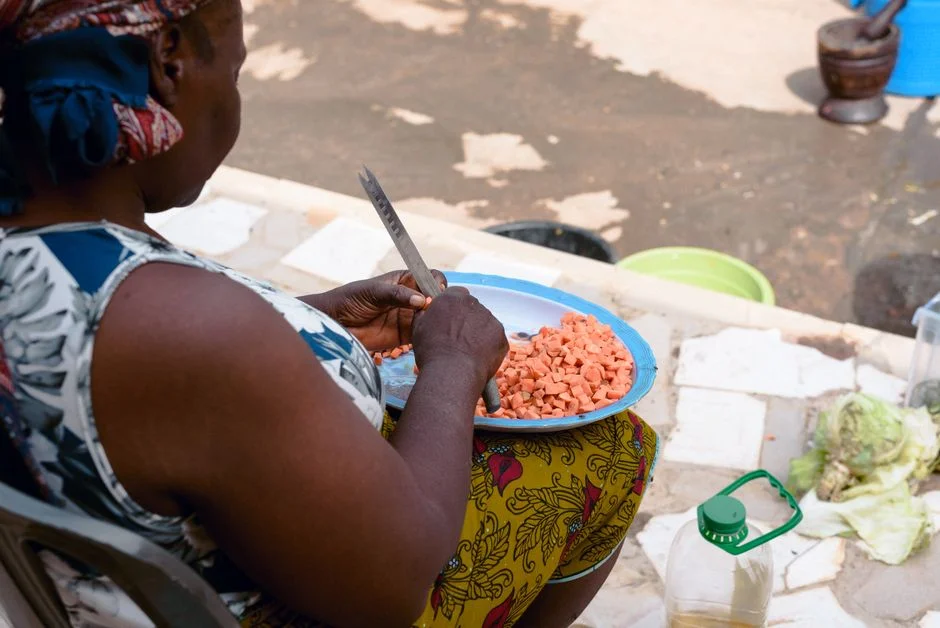
The South African agricultural sector is confronting mounting pressure from rising tariffs and broader macroeconomic instability, forcing producers across the country to reassess operations and threatening livelihoods in rural communities. The convergence of trade policy shifts and currency volatility has created an environment where input costs are climbing while export revenues remain uncertain. Industry observers say the pressure is testing the resilience of farmers who supply both domestic markets and international buyers.
Rising Input Costs Squeeze Farm Operations
Agricultural producers in South Africa are reporting sharp increases in the cost of essential inputs, including fertilisers, machinery parts, and fuel. These cost pressures come at a time when profit margins were already compressed by drought conditions in certain regions and persistent energy supply challenges. Farm operators in the Western Cape, a key fruit and wine-producing province, have noted that import-dependent inputs have become significantly more expensive as the rand fluctuates against major currencies.

The situation has prompted some smaller operations to reduce planting areas or delay equipment upgrades. Agricultural unions have called for government intervention to ease the burden on producers who face the prospect of passing higher costs down the supply chain to consumers already contending with elevated food prices.
Trade Policy Turbulence Disrupts Export Markets
South African agricultural exporters have found themselves navigating an increasingly complex tariff environment. Trade agreements that once provided predictable access to regional and international markets are being renegotiated or contested, creating uncertainty for producers who rely on export revenues to sustain their operations.
The citrus sector, which represents one of South Africa's most valuable agricultural exports, has faced particular scrutiny in destination markets. Phytosanitary requirements and tariff classifications have shifted, adding administrative burdens and increasing the risk of shipments being held at ports. The South African Citrus Growers Association has engaged with trade officials to address these concerns, though industry representatives caution that prolonged uncertainty could affect investment decisions in new orchard development.
Impact on Key Export Markets
European Union markets remain critical for South African fruit exports, but competition from other Southern Hemisphere producers has intensified. Meanwhile, growing demand from Asian markets presents opportunities, though logistical challenges and tariff differentials in some countries have complicated market access. Exporters are monitoring these developments closely as they plan for the next growing season.
Grain producers face a separate set of challenges. While South Africa maintains relative self-sufficiency in staples like maize, import tariffs on certain agricultural inputs affect the cost structure of grain farming. International commodity prices, denominated in dollars, translate into volatility when the local currency weakens, directly impacting the purchasing power of farmers buying inputs abroad.
Macroeconomic Headwinds Compound Sector Pressures
Beyond tariffs, the broader South African economy has contributed to the difficult operating environment for agriculture. Interest rate increases have raised borrowing costs, making it more expensive for farmers to finance seasonal operations or invest in long-term productivity improvements. Energy price hikes have added to overhead costs, particularly for operations that rely heavily on irrigation systems or cold storage facilities.
Unemployment levels in South Africa remain high, and the agricultural sector has historically served as a significant employer in rural areas. Labour-intensive farming operations, including fruit orchards and wine vineyards, depend on a stable workforce. Any contraction in agricultural activity carries implications for rural employment and local economies that depend on farm-gate spending.
The government has signalled awareness of these pressures. The Department of Agriculture, Land Reform and Rural Development has outlined programmes aimed at supporting emerging farmers and improving infrastructure in rural areas. However, industry observers note that the execution of such programmes often lags behind policy announcements, and many producers require more immediate relief to survive the current cycle.
Community Impact Extends Beyond the Farm Gate
The effects of agricultural sector stress ripple through communities far beyond individual farm boundaries. Agricultural towns in provinces like Limpopo, Mpumalanga, and the Eastern Cape rely on farming operations for economic activity. When farms reduce output or consolidate, local businesses that supply goods and services to farming communities feel the consequences.
Smallholder farmers, who often lack the financial reserves of larger commercial operations, are particularly vulnerable to prolonged periods of compressed margins. Access to credit is limited, and without sufficient working capital, these producers may be forced to abandon cultivation entirely. Agricultural development organisations have warned that this could reverse gains made in supporting emerging farmers over the past decade.
Consumer price implications are also emerging. While South African food inflation has moderated from peaks seen in previous years, the cumulative effect of cost pressures across the supply chain may eventually translate into higher retail prices for basic food items. Households already managing tight budgets could face additional strain if agricultural producers pass costs forward.
Industry Responses and Adaptation Strategies
Some agricultural enterprises are responding to the challenging environment by accelerating productivity investments and exploring alternative market channels. Precision agriculture technologies, including GPS-guided planting and variable-rate fertiliser application, offer potential efficiency gains that could partially offset input cost increases. Adoption of such technologies has historically been concentrated among larger commercial farms, but pilot programmes are working to make these tools accessible to smaller producers.
Collective marketing initiatives have gained attention as a way for producers to reduce individual exposure to market volatility. By pooling resources and coordinating sales, farmer cooperatives can negotiate better terms with buyers and share the administrative burden of complying with export regulations. The model has shown promise in the livestock and horticulture sectors, though building effective cooperative structures requires sustained investment and leadership.
Trade associations continue to engage with policymakers on both the domestic and international levels. Discussions around agricultural support mechanisms, infrastructure investment, and trade facilitation are ongoing. Industry leaders emphasise that predictable policy environments and reliable energy supply are foundational requirements for a competitive agricultural sector.
What Comes Next for South African Agriculture
The upcoming season will serve as a critical test for the South African agricultural sector. Planting decisions made in the coming weeks will determine production volumes for the next harvest cycle, and producers are weighing current cost pressures against anticipated market conditions. Climate patterns will also play a role, as seasonal rainfall projections influence planting intentions across grain-producing regions.
International trade negotiations will continue to shape export prospects. The outcome of ongoing discussions with key trading partners could affect tariff rates and market access terms that directly influence producer revenues. Agricultural industry bodies plan to maintain engagement with trade officials as developments unfold.
For South African farmers navigating these pressures, the immediate priority is managing cash flow through the current production cycle. Community organisations and agricultural extension services are working to connect producers with available support resources. The resilience of rural economies and the affordability of food for South African households will depend on how effectively the sector adapts to the new environment of elevated costs and uncertain markets.
See Also
- Tyriq Withers Shocks Met Gala 2026 — and Nigeria Takes Note
- Nigeria’s 2026 Inflation Surge Forces Daily Rationing Across Lagos
Agricultural development organisations have warned that this could reverse gains made in supporting emerging farmers over the past decade.Consumer price implications are also emerging. Industry leaders emphasise that predictable policy environments and reliable energy supply are foundational requirements for a competitive agricultural sector.What Comes Next for South African AgricultureThe upcoming season will serve as a critical test for the South African agricultural sector.
What is the latest news about south african farmers face tariff pressure as agricultural sector reels from economic shocks?
Why does this matter for agriculture-food?
What are the key facts about south african farmers face tariff pressure as agricultural sector reels from economic shocks?