Nigeria’s economic landscape in 2026 has shifted from a period of cautious optimism to one of acute pressure for the average household. The central bank’s aggressive monetary policy, combined with global supply chain snags, has pushed the consumer price index to levels that directly threaten food security in major urban centers. Citizens in Lagos, Abuja, and Port Harcourt are now making daily calculations that determine whether dinner is a meal or a snack.
The Reality of Rising Costs
The numbers tell a stark story for the Nigerian consumer. Inflation rates have climbed steadily, with the overall figure hovering near 25 percent in the first quarter of 2026. This is not an abstract statistic found in a quarterly report; it is the difference between paying 45,000 naira for a bag of rice today versus 38,000 naira just three months ago. Families are feeling the pinch immediately, adjusting their spending habits to survive the volatility.
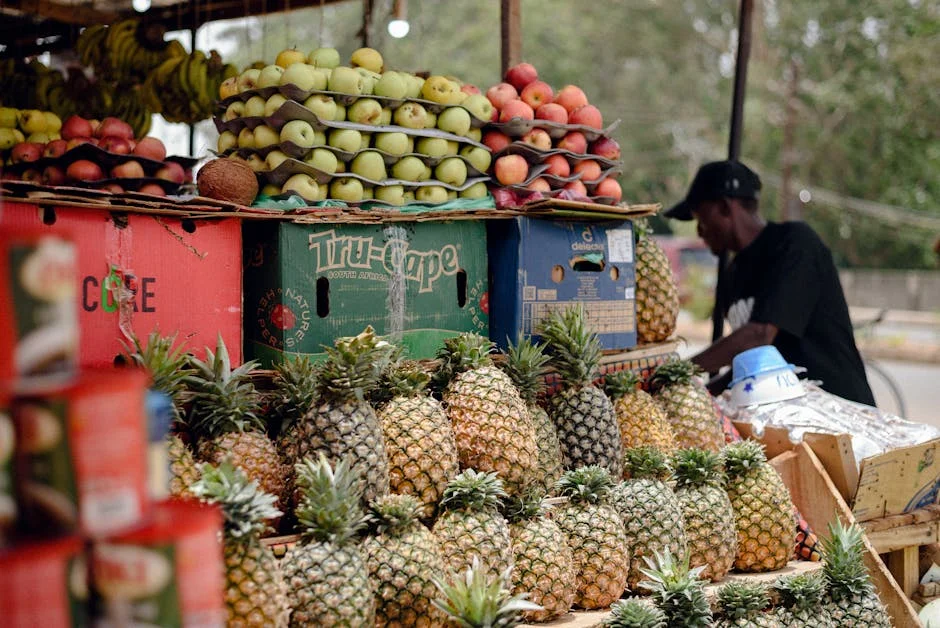
Food inflation remains the most painful component of this economic shift. Staples such as tomatoes, groundnut oil, and yam have seen price hikes that outpace wage growth in the public and private sectors. The National Bureau of Statistics released data showing that food prices alone accounted for nearly 60 percent of the overall inflation rate. This concentration means that even non-food items like transport and rent are rising, but food takes the biggest chunk of the monthly budget.
In Lagos, the commercial nerve center of the country, the impact is visible on the streets. Market women in Idumota and Mile 12 are reporting slower sales as buyers haggle more fiercely. A vendor selling fresh fish noted that customers who used to buy two kilos now settle for one, or switch to cheaper, less preferred varieties. This behavioral change signals a deeper erosion of purchasing power that goes beyond temporary discomfort.
Wage Stagnation and the Middle Class
The Nigerian middle class, often described as the backbone of the consumer economy, is shrinking under the weight of these costs. Salaries have not kept pace with the rising cost of living, leading to a phenomenon known as "real wage decline." Employees in the banking, technology, and civil service sectors find that their monthly take-home pay buys less each month. This stagnation forces difficult choices between saving for the future and paying immediate bills.
Corporate Nigeria is responding in varied ways, but the pressure is mounting. Some multinational companies operating in Abuja have introduced cost-of-living adjustments, but these are often smaller than the actual inflation rate. Local businesses, particularly small and medium enterprises, are struggling to absorb the costs without passing them on to consumers. This creates a cycle where prices rise, wages stay flat, and consumption slows down.
The psychological toll is also becoming apparent. Financial planners in Lagos report an increase in anxiety among clients who see their savings erode. The value of the naira, while stabilized somewhat by the central bank’s interventions, still fluctuates enough to make long-term financial planning difficult. People are moving money into tangible assets like gold or foreign currency to hedge against further devaluation.
Impact on Small Businesses
Small business owners are facing a liquidity crisis that threatens their survival. Many rely on credit to keep operations running, but interest rates remain high due to the central bank’s efforts to curb inflation. This makes borrowing expensive, forcing some shop owners in Ikeja and Surulere to reduce their stock levels. Reduced stock means fewer sales, which in turn affects the ability to pay staff and suppliers.
The informal sector, which employs a significant portion of the Nigerian workforce, is also feeling the heat. Traders in the Balogun Market in Lagos describe a slow-down in turnover. They note that customers are becoming more selective, often waiting for sales or buying in smaller quantities. This shift in consumer behavior forces vendors to adjust their pricing strategies, sometimes accepting lower margins just to move inventory.
Regional Disparities in Economic Impact
The impact of the 2026 economic climate is not uniform across Nigeria. Urban centers like Lagos and Abuja feel the pressure through high rent and transport costs, while rural areas are more affected by food prices. In the North, where agriculture is a primary source of income, fluctuating input costs for fertilizers and seeds are reducing yields. This regional variation means that policy responses must be tailored to address specific local challenges.
Transport costs are a major driver of inflation, and this affects regions differently. In Lagos, the introduction of new bus routes and the expansion of the rail network have helped, but fares have risen. In contrast, cities in the East and West that rely more on road transport see higher costs due to fuel price adjustments. These transport costs are then passed on to consumers in the form of higher prices for goods.
The government’s infrastructure projects, while promising long-term benefits, have caused short-term disruptions that add to the cost of living. Road construction in major cities has increased travel times, leading to higher fuel consumption for commuters and logistics companies. These companies then pass the costs on to consumers, creating a ripple effect that touches every sector of the economy.
Government Policy and Central Bank Actions
The Central Bank of Nigeria has implemented several measures to stabilize the economy. The introduction of the Single Window System for foreign exchange has helped to reduce volatility in the naira, but it has also created bottlenecks for importers. These importers, in turn, face delays in getting their goods to market, which contributes to supply shortages and higher prices. The trade-off between stability and liquidity is a delicate one.
Fiscal policy has also played a role, with the government increasing taxes to boost revenue. The introduction of new levies on fuel and imported goods has helped to fill the treasury but has added to the cost of living. Critics argue that these taxes are regressive, meaning they affect the poor more than the rich. However, the government maintains that these measures are necessary to fund critical infrastructure and social programs.
Subsidy reforms have been a key part of the government’s strategy. The removal of the fuel subsidy has been one of the most impactful changes, leading to a sharp rise in pump prices. While this has helped to reduce the fiscal burden on the government, it has also increased transport costs across the board. The government has introduced targeted cash transfers to help the most vulnerable, but the effectiveness of these programs is still being debated.
Challenges for Policy Makers
Policy makers face the challenge of balancing inflation control with economic growth. High interest rates help to cool down the economy, but they can also stifle investment and job creation. The central bank must navigate this carefully to avoid a recession. Additionally, global factors such as oil prices and geopolitical tensions can disrupt these domestic efforts, adding another layer of complexity to the situation.
The government is also under pressure to improve the business environment to attract foreign investment. This involves reducing bureaucracy, improving infrastructure, and ensuring political stability. These are long-term goals, but the immediate economic pain demands quick actions. The tension between short-term fixes and long-term structural reforms is a key theme in the 2026 economic narrative.
Community Responses and Adaptation
Communities across Nigeria are developing their own strategies to cope with the economic pressure. In many neighborhoods, the tradition of "Ajo" or rotating savings and credit associations has seen a resurgence. These informal financial mechanisms help people to pool resources and manage cash flow more effectively. They provide a buffer against the unpredictability of income and expenses.
Local governments are also stepping in with targeted interventions. Some local councils in Lagos have introduced night markets to provide cheaper options for consumers. These markets allow vendors to sell their goods at lower prices due to reduced overhead costs. This initiative has been popular among working-class families who shop after work hours to save money.
Community leaders are playing a crucial role in advocating for the needs of their constituents. They are engaging with state and federal governments to highlight specific local challenges. This grassroots pressure helps to ensure that policy decisions take into account the realities on the ground. It also fosters a sense of collective action and resilience among citizens.
Looking Ahead: What to Watch Next
As Nigeria moves through 2026, several key indicators will determine the trajectory of the economy. The upcoming quarterly report from the National Bureau of Statistics will provide fresh data on inflation and GDP growth. Investors and citizens alike will be watching these numbers closely to gauge the effectiveness of current policies. Any significant deviation from projections could lead to further policy adjustments.
The central bank’s monetary policy committee meetings will also be critical. Decisions on interest rates and foreign exchange management will have immediate impacts on the cost of borrowing and the value of the naira. Analysts are predicting that the central bank may need to maintain a hawkish stance for longer than expected to fully anchor inflation expectations. This will require careful communication with the market to manage sentiment.
Citizens should prepare for continued volatility in the short term. Diversifying income sources, reducing non-essential spending, and investing in tangible assets can help to mitigate the impact of inflation. Staying informed about policy changes and economic trends will also be crucial for making smart financial decisions. The resilience of the Nigerian economy will be tested in the coming months, and the response of everyday people will be a key factor in its recovery.
See Also
- BP-Backed Renergetics Cuts Nigeria Power Costs 70% — What It Means for Lagos, Abuja
- Nigeria Strike Erupts — NUPRC Vows Gas Production Won't Stop
Looking Ahead: What to Watch Next As Nigeria moves through 2026, several key indicators will determine the trajectory of the economy. Road construction in major cities has increased travel times, leading to higher fuel consumption for commuters and logistics companies.