The World Bank has lowered its growth projection for Sub-Saharan Africa to 4.0%, down from earlier estimates, in a report that identified higher global energy prices as a potential benefit for oil-producing nations including Nigeria and Angola. The revised outlook reflects broader economic headwinds affecting the continent, though the Bank noted that nations with significant energy exports could see relative advantages in the current price environment.
Revised Growth Forecast for Sub-Saharan Africa
The World Bank's latest economic assessment now places Sub-Saharan Africa's growth trajectory at 4.0%, a downward revision that signals mounting pressures on the region's economic recovery. The report, referenced by sources including analyst Angola Dike Onwuamaeze, attributes the adjustment to persistent global economic uncertainty and its ripple effects across African markets.
The revision places the continent below previous expectations set earlier in the year, when forecasts were more optimistic about recovery momentum. For everyday citizens across the region, slower growth translates into constrained public resources, fewer jobs, and reduced spending power on critical services.
Energy Prices Create Mixed Picture for African Economies
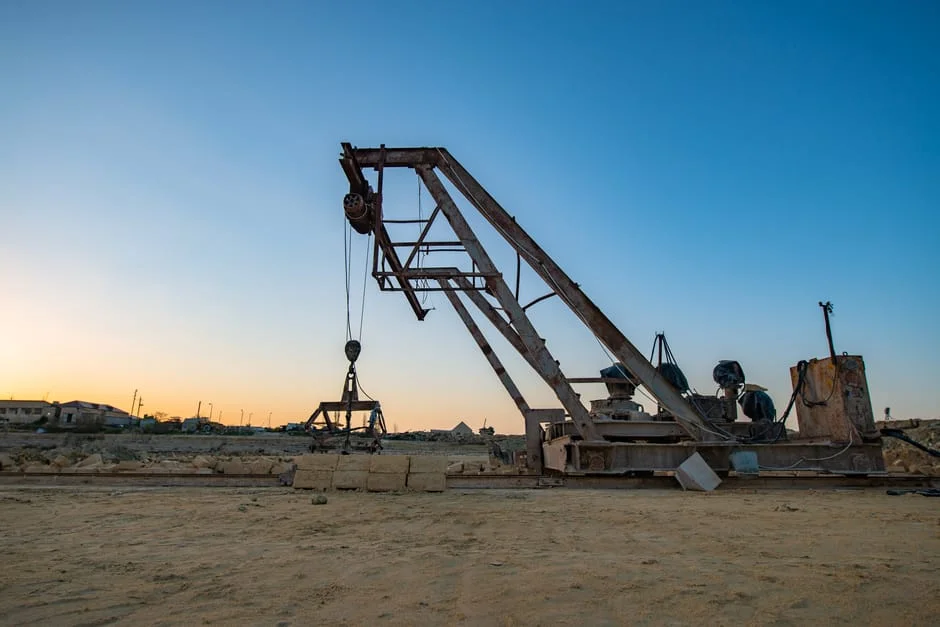
Despite the overall downward revision, the World Bank identified a notable exception for oil exporters. Higher global energy prices are expected to favour Nigeria and Angola, two of the continent's largest crude producers, as stronger export revenues could offset pressures elsewhere in their economies.
Nigeria, as Africa's largest economy by gross domestic product, holds a particularly significant position in this dynamic. The country's substantial oil production capacity means that favourable global price movements could bolster foreign exchange earnings and government revenues, potentially providing fiscal space for addressing domestic priorities.
What This Means for Nigerian Citizens
For ordinary Nigerians, the implications of higher energy prices cut both ways. On one side, increased oil export revenues could strengthen the naira and improve government fiscal positions. On the other, higher energy prices domestically often filter through to elevated costs for fuel, transportation, and manufactured goods, squeezing household budgets.
The duality of this situation means that while Nigeria's treasury may benefit from export dynamics, everyday consumers could face ongoing pressure from rising costs of living. The World Bank report did not specify exactly how these competing forces would balance out for Nigerian households.
Angola Also Positioned to Benefit
Angola, which shares Nigeria's status as a major African oil producer, similarly stands to gain from the favourable pricing environment. The southern African nation has been working to stabilise its economy following years of adjustment, and higher oil revenues could accelerate progress on that front.
The parallel positioning of both nations underscores a broader theme in the World Bank's assessment: that Africa's economic landscape remains deeply uneven, with commodity exporters experiencing markedly different conditions than nations dependent on imports or tourism.
Broader Economic Context for the Region
The 4.0% growth projection for Sub-Saharan Africa places the region at a critical juncture. While this figure represents expansion, it falls short of the growth rates needed to meaningfully reduce unemployment and poverty across much of the continent. Youth unemployment remains particularly acute in Nigeria, where millions of job-seekers enter the workforce annually.
Global factors including monetary policy tightening in advanced economies, supply chain disruptions, and shifting trade patterns have all contributed to the more cautious outlook. These forces affect African nations differently based on their economic structures, with commodity exporters often insulated by price movements that hurt importers.
What to Watch in Coming Months
Policymakers in Abuja will be monitoring global energy markets closely as the year progresses. The trajectory of crude oil prices will be a key variable determining whether Nigeria's favourable positioning translates into tangible improvements for citizens. The Central Bank of Nigeria's response, including potential adjustments to monetary policy, will also merit attention.
Beyond energy prices, the World Bank report signals that structural challenges remain central to Africa's economic story. Productivity growth, infrastructure development, and human capital investment continue to determine which nations can sustain momentum when external conditions shift. Nigeria's next moves on each of these fronts will shape whether the current energy price advantage becomes a durable foundation for broader prosperity.
See Also
- Iran Withdraws from World Cup - Deportes News Explained
- Indian Authorities Seize ₹441-Cr in Assets from Andhra Pradesh Liquor Scandal: What It Means for Governance
The southern African nation has been working to stabilise its economy following years of adjustment, and higher oil revenues could accelerate progress on that front.The parallel positioning of both nations underscores a broader theme in the World Bank's assessment: that Africa's economic landscape remains deeply uneven, with commodity exporters experiencing markedly different conditions than nations dependent on imports or tourism.Broader Economic Context for the RegionThe 4.0% growth projection for Sub-Saharan Africa places the region at a critical juncture. These forces affect African nations differently based on their economic structures, with commodity exporters often insulated by price movements that hurt importers.What to Watch in Coming MonthsPolicymakers in Abuja will be monitoring global energy markets closely as the year progresses.