For three weeks in June and July, African football fans watched something unusual unfold across Brazilian stadiums. Six nations from the continent competed at the World Cup, and for once, the story was not about early exits and disappointments. Teams from Algeria, Ghana, Nigeria, Ivory Coast, Cameroon, and Cape Verde arrived with little expectation and left with performances worth discussing.
Cape Verde's Unexpected Presence
The smallest of the African contingent, Cape Verde, a volcanic archipelago off the west coast with a population of roughly 500,000 people, made its World Cup debut in Brazil. The Blue Sharks, as the national team is known, did not win a match, but their mere presence represented a milestone for a nation that had only gained independence in 1975. Local analysts noted that qualification itself marked a turning point for football development on the islands, where facilities remain basic and professional infrastructure is limited.
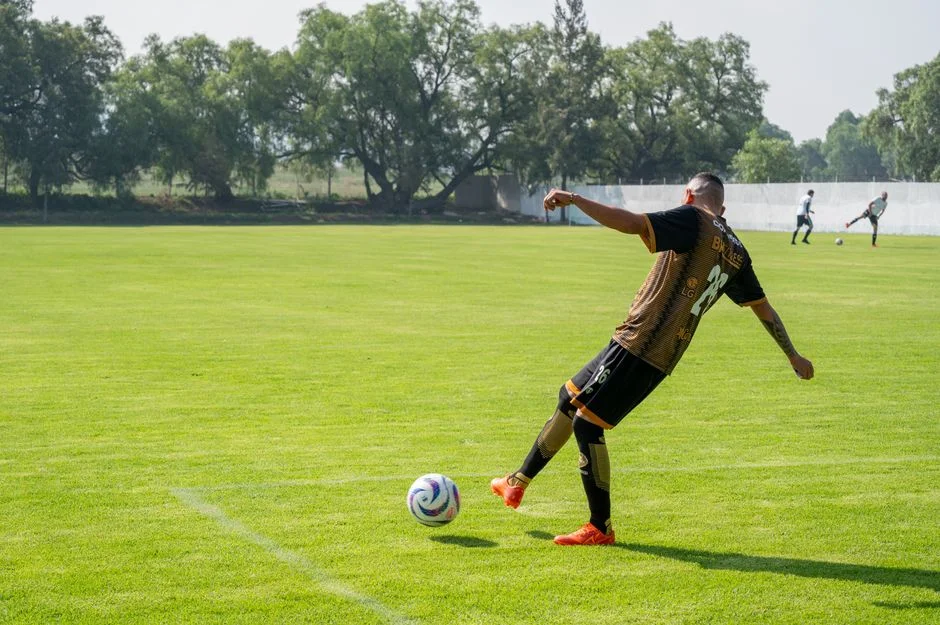
In their group stage matches, Cape Verde faced harder-then-expected tests against experienced sides. Their goalkeeper, Voice Rodrigues, made several saves that drew praise from commentators. The team departed after three matches, but football officials on the islands reported a surge in youth registration at local clubs within weeks of their elimination.
Algeria Steals the Spotlight
While Cape Verde captured hearts, Algeria delivered results. The Desert Foxes topped a difficult group that included Belgium, Russia, and South Korea, accumulating four points and progressing to the knockout round for the first time since 1982. Their 4-2 victory over South Korea in Porto Alegre showcased attacking football that many neutral supporters had not anticipated from an African side.
Islam Slimani led the line with two goals in that match, giving the Algerian people a reason to celebrate during a period of political transition at home. The streets of Algiers filled with thousands of fans waving green flags after the win. Algeria ultimately fell to Germany in the round of 16, but the performance raised expectations for the next qualification cycle.
Nigeria's Steady Progress
The Super Eagles of Nigeria, Africa's most populous nation, also advanced from their group despite a chaotic preparation period. A players' strike over unpaid bonuses threatened their participation days before the tournament began. The dispute was resolved only after government intervention, and the team arrived in Brazil amid scepticism about their readiness.
Under coach Stephen Keshi, a former national team captain, Nigeria finished second in Group F behind Argentina but ahead of Bosnia-Herzegovina and Iran. Keshi became the first African manager to guide Nigeria past the group stage at a World Cup. The team lost to France in the round of 16, but the achievement marked progress for a programme that had struggled at the previous two World Cups.
Other Continental Contenders
Ghana came within seconds of reaching the quarter-finals before conceding a late penalty against Uruguay. The Black Stars had reached the same stage four years earlier in South Africa, and their exit in Brazil felt like a missed opportunity for a squad with significant experience at the highest level. Ivory Coast, managed by Sabri Lamouchi, failed to advance from a group containing Colombia, Greece, and Japan.
Cameroon, one of Africa's most decorated nations historically, endured a disastrous campaign. The Indomitable Lions lost all three group matches and finished bottom of their section. Reports from Yaoundé cited internal divisions and poor tactical preparation as factors behind the collapse, raising questions about the management structure of a federation once considered among the continent's most stable.
What the Results Signal for African Football
Across six nations, the Brazil World Cup offered a mixed picture of where African football stands. On one hand, Algeria and Nigeria proved that improved preparation and tactical discipline could produce competitive performances against established powers. On the other, Cameroon's implosion reminded observers that governance problems within football federations continue to undermine potential.
The CAF, African football's governing body, later commissioned a review of national team performances at the tournament. Recommendations included increased investment in youth academies and stricter financial oversight of member associations. Implementation remains uneven across the continent, with some nations reporting progress while others have seen little change.
Brazil 2014: A Benchmark for Future Campaigns
For Nigerian fans who followed the Super Eagles to Brazil, the tournament offered lessons beyond the pitch. Television audiences across Nigeria peaked during matches against Argentina and France, demonstrating the commercial value of sustained World Cup participation. Local sports shops reported increased sales of national team merchandise throughout the competition.
Football administrators in Abuja have since pointed to the Brazil experience when arguing for better working conditions for national team players. The bonus dispute that nearly derailed Nigeria's participation has not been repeated in subsequent qualification campaigns, though disputes over payment timing continue to surface occasionally.
The next World Cup cycle is already underway, with African nations beginning qualification matches for the 2018 tournament in Russia. Teams that performed well in Brazil enter as seeds in early rounds, while those that struggled face longer paths. Watch for Algeria and Nigeria to face stiffer competition earlier than they did in Brazil, as opponents adjust their assessment of African football's improving standards.
See Also
- Nigerian Political Scientists Reject 'Static' Ideology — Propose New Framework
- South Africa Confirms R1.43 Petrol Hike — Communities Brace for Economic Impact
The Black Stars had reached the same stage four years earlier in South Africa, and their exit in Brazil felt like a missed opportunity for a squad with significant experience at the highest level. See AlsoNigerian Political Scientists Reject 'Static' Ideology — Propose New FrameworkSouth Africa Confirms R1.43 Petrol Hike — Communities Brace for Economic Impact
What is the latest news about african football takes centre stage as six nations shine in brazil?
Why does this matter for sports?
What are the key facts about african football takes centre stage as six nations shine in brazil?