Shina Peller, a member of the Nigerian House of Representatives, told the chamber on June 12 that the country's democracy has failed to deliver for ordinary citizens. The statement came during the national commemoration of Democracy Day, which marks the anniversary of the annulled June 12, 1993 presidential election that the late Moshood Abiola was widely believed to have won. Peller's remarks drew attention to what he described as a widening gap between the promises of democratic governance and the lived experiences of everyday Nigerians.
June 12 and Its Weight in Nigeria
June 12 holds deep significance in Nigerian political history. In 1993, the country held what observers called the freest election in its recent history. The military government of Ibrahim Babangida annulled the results, sparking widespread protests and setting off a chain of events that eventually led to the return of civilian rule. In 2018, the federal government officially recognised June 12 as Democracy Day and declared it a public holiday. The date now serves as an annual reminder of the struggle for democratic participation and the sacrifices made to entrench elections as the means of choosing leaders.
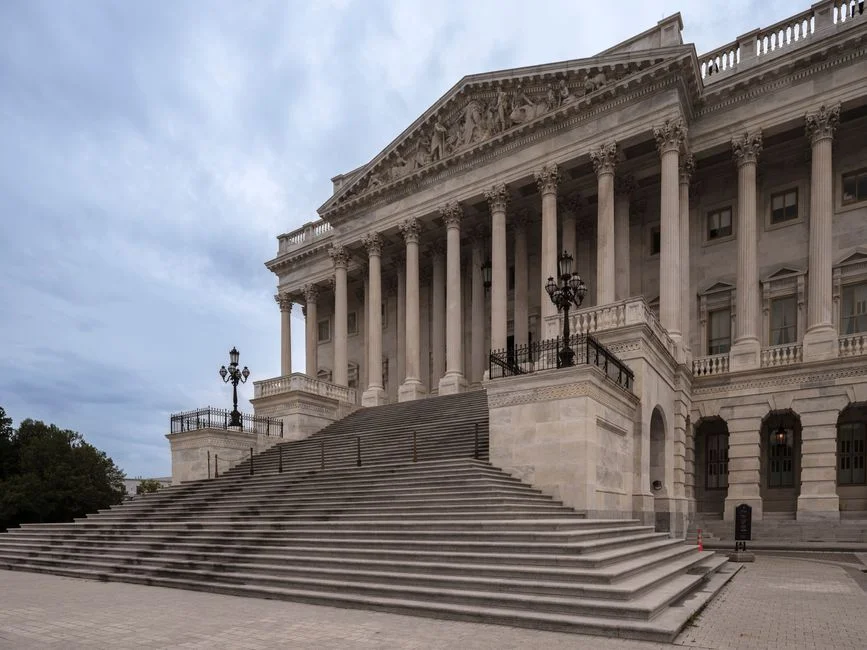
For many Nigerians, the commemoration is both a celebration of progress and an occasion to take stock of how far the country has come. Peller chose the occasion to deliver a blunt assessment from the floor of the House. His comments landed amid ongoing debates about the quality of representation citizens receive from their elected officials.
What Peller Told the House
Speaking during the plenary session on June 12, Peller did not soften his message. He stated directly that democratic structures in Nigeria have not translated into meaningful improvements for the average citizen. The lawmaker from Lagos State did not offer a list of specific policy failures, but his broad critique touched on themes that resonate across the country: unemployment, inflation, and the sense that political power operates at a distance from ordinary people.
The timing of the statement was deliberate. By choosing Democracy Day for such pointed remarks, Peller positioned his critique within a framework of historical expectations. He appeared to argue that the democratic system, which many consider a hard-won achievement, has yet to fulfill its basic promise of improving lives.
The Democratic Deficit Debate
Peller is not the first Nigerian politician to raise concerns about the disconnect between democracy and delivery. Across the country, citizens and civil society groups have long argued that voting alone does not guarantee good governance. Critics point to inconsistent policy implementation, corruption, and the failure of successive administrations to address fundamental infrastructure needs as evidence that democratic institutions are not functioning as intended.
Supporters of the government counter that democracy is a process, not an instant fix. They argue that institutional reforms take time and that the existence of free elections, a relatively free press, and an active legislature represent genuine progress compared to the military era. The tension between these perspectives plays out regularly in public discourse, on social media, and in conversations at the neighbourhood level across cities from Abuja to Port Harcourt.
Citizens Bear the Cost
Whatever the merits of the broader debate, the consequences of democratic shortcomings fall heaviest on ordinary people. Nigeria's economy has faced persistent challenges, with the national currency losing value against the dollar in recent years. Prices for basic goods have risen sharply, stretching household budgets across income levels. In markets and bus parks from Lagos to Kano, conversations about the cost of living dominate daily exchanges.
Access to basic services remains uneven. Power supply fluctuates. Roads in many areas require maintenance that local authorities have not provided. These are the conditions that shape how citizens experience governance, and they are the conditions that statements like Peller's are meant to address, even if they do not immediately change them.
Politics and Public Reaction
Responses to Peller's remarks varied. Some social media users praised him for speaking plainly, arguing that elected officials should be more honest about the gaps in governance. Others dismissed the statement as performative, suggesting that the responsibility to fix democracy's failures lies with those who hold executive power rather than with individual legislators.
Political analysts who track Nigerian public opinion note that voter turnout has declined in recent elections, suggesting a portion of the electorate feels disconnected from the political process. When a sitting lawmaker publicly questions whether democracy is working, it reinforces concerns that some voters already hold privately.
What Comes Next
The June 12 commemoration will return next year, as it does every year. In the meantime, the National Assembly has a full legislative calendar ahead, including debates on the budget and various reform proposals that could address some of the concerns Peller raised. Whether those debates produce results that citizens can feel will likely determine whether the next Democracy Day finds the country more optimistic or more cynical about its democratic trajectory.
See Also
- Chrome Users in Lagos Lose Millions to Ad-Blockers and Password Leaks
- Tharman Urges Singapore to Deepen East Africa Ties as Region Emerges as Strategic Priority
What is the latest news about shina peller tells house democracy has failed nigerias common people?
Why does this matter for sports?
What are the key facts about shina peller tells house democracy has failed nigerias common people?