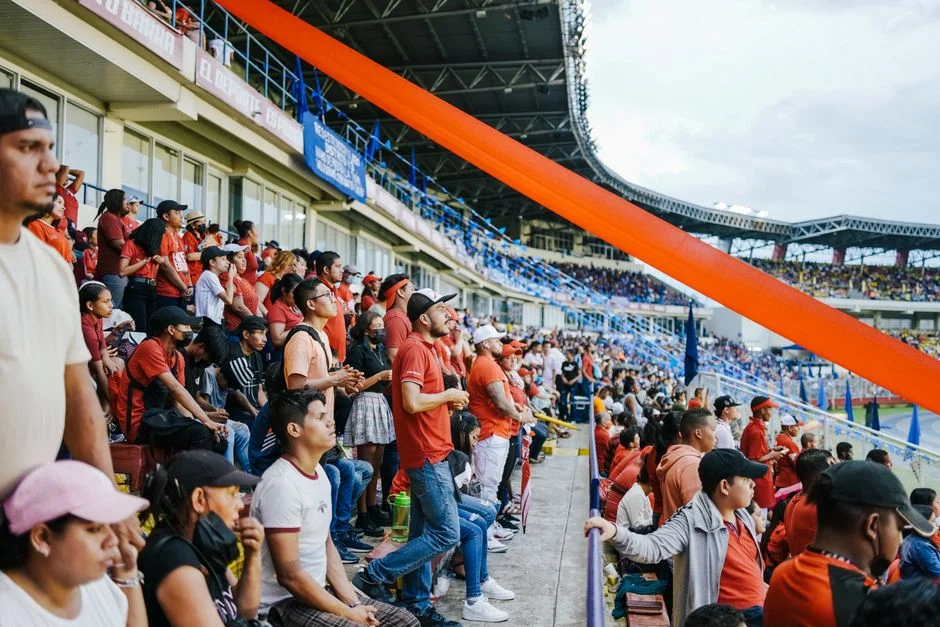
African football is reaching new heights, and the continent's football leadership wants the world to take notice. The head of African football's governing body has spoken publicly about the rapid development of the game across Africa's 54 nations, just days before a crucial World Cup qualifying or tournament encounter that will pit an African side against Australia. The remarks signal growing continental ambition in international football's most competitive arena.
What Hassan Said About African Football
The president of the Confederation of African Football (CAF), Patrice Motsepe's representative, delivered the assessment at a pre-match press conference held in Johannesburg. Officials from CAF have long argued that investment in youth academies and domestic leagues across the continent is finally translating into results on the global stage. The statement comes as attention turns to the upcoming fixture that will test whether those improvements can hold up against a traditionally strong Australian side.
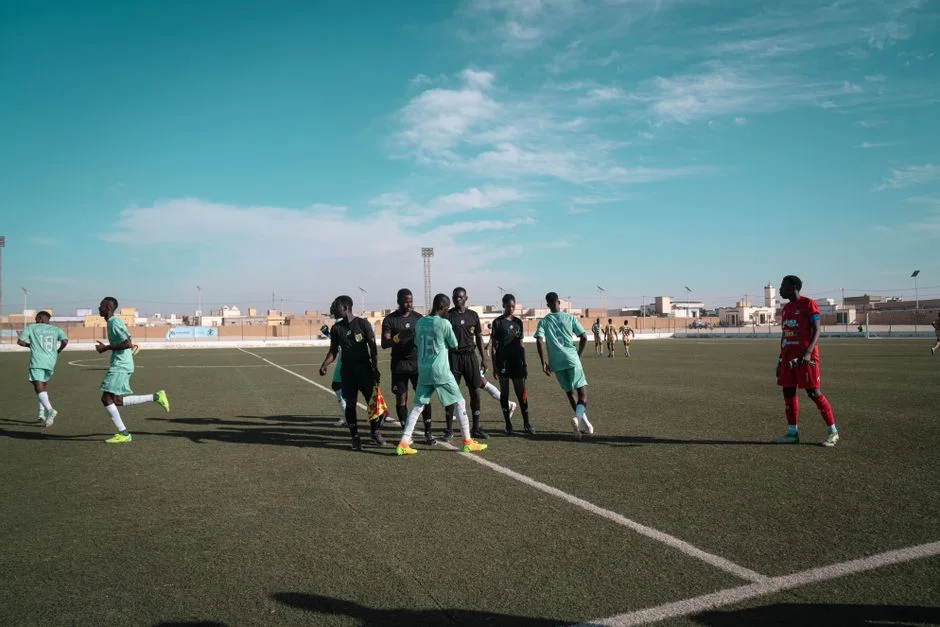
The growth trajectory of African football has attracted attention from European clubs, who now recruit more heavily from African leagues than ever before. Several CAF officials confirmed that infrastructure spending across Morocco, Egypt, South Africa, and Nigeria has created pathways for talent that previously did not exist. Those pathways are beginning to produce footballers capable of competing at the highest international levels.
The Stakes Against Australia
Australia presents a significant challenge. The country has qualified for multiple World Cup tournaments and consistently ranks among the top teams in Asia before shifting confederations. For an African side, defeating Australia carries symbolic weight beyond the three points at stake. It would represent another data point in the argument that Africa deserves more automatic qualification spots at global tournaments.
Currently, Africa receives five guaranteed spots at the FIFA Men's World Cup. Critics, including some within CAF, have pushed for six or seven spots, citing the continent's population size and the increasing quality of its top teams. A strong performance against Australia would bolster that case heading into future qualification cycle discussions.
What a Win Would Mean for African Football
Victory against Australia would mark the third time in recent cycles that an African nation has defeated a traditionally stronger opponent from outside the continent. Morocco's run to the World Cup semi-finals in 2022 opened eyes worldwide. Cameroon reached the quarter-finals in 2022 as well. Each result adds credibility to the argument that African football has closed the gap with traditional powers.
For fans across Africa, a win carries cultural resonance. Football unifies the continent in ways few other institutions can match. When an African team succeeds on the world stage, the celebration extends far beyond national borders. Communities in Lagos, Nairobi, Accra, and Dakar all feel connected to the outcome.
Building Toward the Future
The fixture against Australia is not merely about one match. It represents a milestone in African football's long-term development strategy that began earnest reform efforts in the mid-2010s. CAF introduced the African Football League to raise competitive standards. Investment in refereeing standards followed. New commercial partnerships brought more revenue to national federations.
Those reforms are now producing footballers who grew up within more professional environments. The generation currently representing African nations at senior level has access to better coaching, facilities, and competition than any previous cohort. CAF's leadership believes the Australia match will demonstrate how far the continent has travelled on that journey.
Youth development programmes in countries like Ghana, Senegal, and Algeria have gained international recognition. European clubs now operate academies in Africa, recognizing the continent as a talent pipeline rather than merely a market. That shift in perception reflects measurable improvement in how African footballers develop technically and tactically.
Australia's Perspective
The Matildas and Socceroos, depending on which World Cup round is approaching, will not underestimate the opposition. Australian football officials have conducted scouting missions across African tournaments in preparation for this encounter. Reports from Australia's national team camp suggest respect for the opposition's recent trajectory.
Australia itself has invested heavily in football development over the past decade. The country hosted the AFC Asian Cup successfully and has produced players who now feature in top European leagues. The clash with an African side will test whether the continent's recent investments have truly closed the competitive gap or whether traditional powers retain a structural advantage.
What Happens Next
The match is scheduled to take place within the next international window, with the specific date and venue confirmed by FIFA. CAF has urged African fans across the continent to rally behind their representative. Broadcast deals ensure the game will reach audiences in over 40 African countries simultaneously.
After this fixture, attention will shift to the full qualification picture for the next World Cup cycle. CAF officials have already indicated they will use results from these high-profile matches in their submissions to FIFA's decision-making bodies. The argument for expanded African representation depends on continued evidence that the continent's teams can compete with and defeat non-African nations consistently.
For now, the focus remains on the pitch. African football supporters will watch to see whether the praise from CAF translates into points against a nation that has long occupied the upper echelons of world football rankings.
See Also
- Melania Trump’s Mail Suit Suggests Desire To Monetise First Lady Role
- Twitter's India Policy Head Steps Down: What It Means for Nigeria's Digital Landscape
That shift in perception reflects measurable improvement in how African footballers develop technically and tactically.Australia's PerspectiveThe Matildas and Socceroos, depending on which World Cup round is approaching, will not underestimate the opposition. Reports from Australia's national team camp suggest respect for the opposition's recent trajectory.Australia itself has invested heavily in football development over the past decade.
What is the latest news about hassan praises rising african football standards ahead of australia world cup clash?
Why does this matter for politics-governance?
What are the key facts about hassan praises rising african football standards ahead of australia world cup clash?