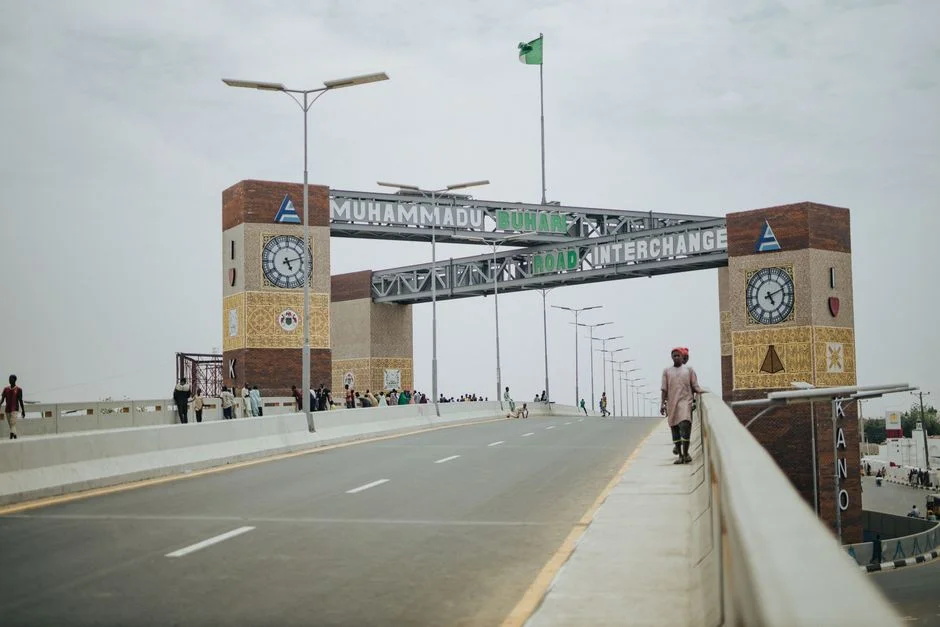
Nigeria's ratification of the African Continental Free Trade Area in 2020 was celebrated as a turning point for the continent's largest economy. Three years on, the gap between Abuja's grand ambitions and what is actually reaching Nigerian businesses on the ground remains vast. Local manufacturers, exporters, and trade analysts say the promise of duty-free access to 54 African markets has yet to materialise at scale, hampered by infrastructure deficits, customs bottlenecks, and policy inconsistency.
What Nigeria Signed Up For
AfCFTA entered into force on January 1, 2021, creating the world's largest free trade area by number of participating nations. Nigeria's decision to join came after initial hesitation — Abuja spent two years reviewing the agreement before ratifying it in December 2020. The deal commits member states to eliminating tariffs on 90 percent of goods over a five-year period for most countries. For Nigeria, the opportunity is enormous: access to a market of 1.3 billion people with a combined GDP of approximately $3.4 trillion. The Ministry of Industry, Trade and Investment has been the lead ministry coordinating Nigeria's AfCFTA implementation framework, working alongside the Nigerian Export Promotion Council.
The Numbers That Tell a Different Story
Despite the grand rhetoric, intra-African trade as a share of Nigeria's total trade remains stubbornly low. Trade between Nigeria and other African nations accounts for roughly 13 percent of total trade volume, according to figures cited by the African Development Bank. By comparison, South Africa trades significantly more within Africa as a proportion of its overall commerce. Nigerian exports to African markets continue to be dominated by crude oil and raw minerals, while value-added manufactured goods face challenges breaking into new markets. The African Union's 2023 trade report noted that non-tariff barriers — including divergent regulations, poor road networks, and inconsistent customs enforcement — continue to restrict the gains AfCFTA was designed to unlock.
The Infrastructure Problem Nobody Talks About
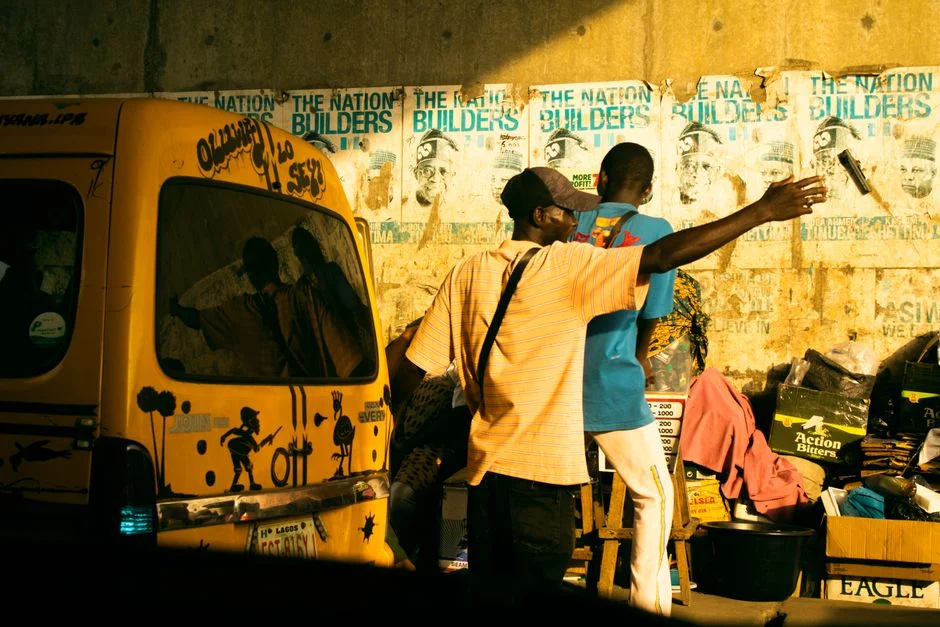
In Lagos, the Apapa Port remains a daily illustration of the challenges Nigerian traders face. Trucks queue for days to clear goods, adding costs that erode any advantage gained from preferential tariffs. The Nigerian Ports Authority has acknowledged that cargo dwell times at major terminals exceed international benchmarks by a wide margin. Road connectivity between northern production zones and southern export hubs remains poor, making it cheaper for some manufacturers to route goods through neighbouring countries. The Federal Ministry of Works has announced infrastructure spending plans, but contractors and industry groups say timelines for major road and rail projects routinely slip.
Border Frictions and Regulatory Gaps
The Nigeria-Benin border situation illustrates another layer of complexity. Trade disputes with Benin, which shares a long porous frontier, have periodically led to border closures that disrupted commerce for legitimate Nigerian exporters. Customs officials at land borders operate with varying levels of training and equipment, creating inconsistencies that trading partners note. The Nigerian Customs Service has been rolling out new electronic cargo tracking systems in a phased manner, but full coverage across all entry points remains a work in progress.
What Nigerian Businesses Actually Need
Small and medium enterprises, which employ the bulk of Nigeria's workforce, say they remain largely unaware of AfCFTA opportunities. The Nigerian Association of Chambers of Commerce, Industry, Mines and Agriculture has called on the government to ramp up sensitisation campaigns beyond Abuja. Market intelligence on which products face demand in specific African markets is scarce and expensive to obtain. Exporters interviewed by local media have described the process of obtaining certificates of origin, which are required to claim AfCFTA tariff preferences, as bureaucratic and sometimes unclear. The Standards Organisation of Nigeria has been working to harmonise local standards with African standards, but harmonisation across 54 countries moves slowly.
Where Progress Has Been Made
The Pan African Payment and Settlement System, which launched in 2022, offers a pathway to reduce reliance on dollar-denominated transactions in African trade. Nigerian banks have been joining the platform, and transaction volumes are growing though from a small base. The Nigerian Export-Import Bank has introduced financing products targeted at AfCFTA-oriented exporters, though the bank acknowledges that appetite among small borrowers remains limited due to collateral requirements. A few sectors have reported early wins: processed food exports to West African neighbours have seen modest growth, and there is anecdotal evidence of increased Nigerian service sector activity in East African markets.
What Comes Next
The 2024 AfCFTA Business Forum, scheduled to take place in Lagos later this year, is expected to bring together government officials and private sector representatives to assess implementation progress. Trade ministry officials say Nigeria will push for accelerated tariff reduction schedules in sectors where Nigerian industry is competitive, including processed agricultural goods and certain light manufactures. Critics argue that without concrete infrastructure investment and regulatory reform, tariff cuts alone will not deliver the trade growth Abuja is targeting. The question for Nigerian businesses is whether the policy framework will translate into actionable opportunities before competitors from Asia and Europe establish deeper commercial relationships across the continent.
See Also
- Retired General Abducted in Nigeria — Families Fear for Safety in Kaduna
- Tharman Urges Singapore to Deepen East Africa Ties as Region Emerges as Strategic Priority
What is the latest news about nigerias afcfta ambition meets reality what delivery actually looks like?
Why does this matter for sports?
What are the key facts about nigerias afcfta ambition meets reality what delivery actually looks like?