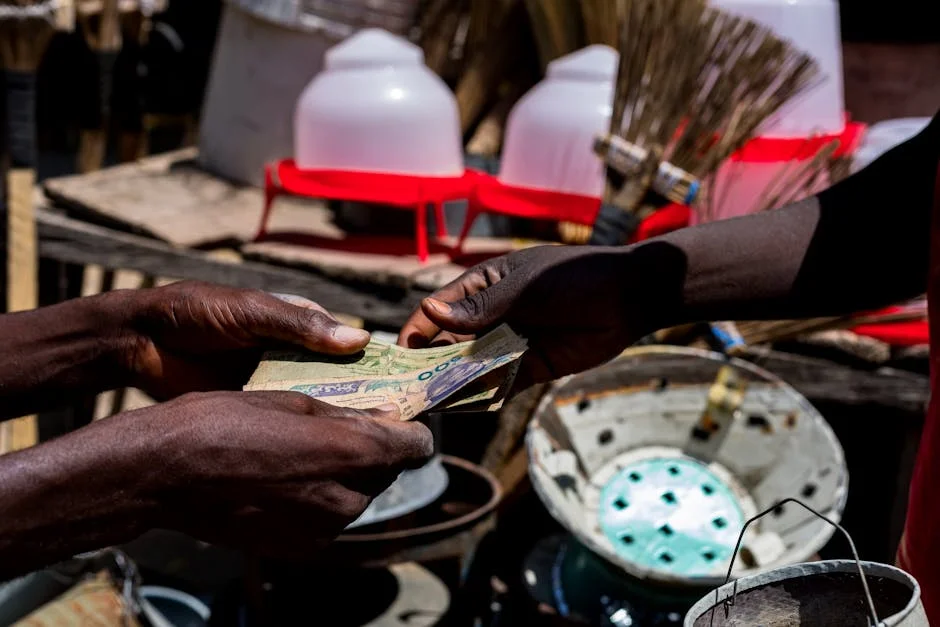
Workers in Newcastle, KwaZulu-Natal, are facing a stark reality as garment factories implement a controversial wage freeze while costs of living surge across South Africa. The South African Clothing and Textile Industrial Council has announced a decision that leaves thousands of employees vulnerable to inflation, sparking immediate backlash from unions and local community leaders.
This development highlights the fragility of the domestic manufacturing sector. For citizens in regions like Newcastle, the quality of local jobs directly impacts household stability and local economic vitality. The situation serves as a warning sign for other emerging markets, including Nigeria, regarding the challenges of sustaining local production against global competitive pressures.
The Newcastle Manufacturing Crisis
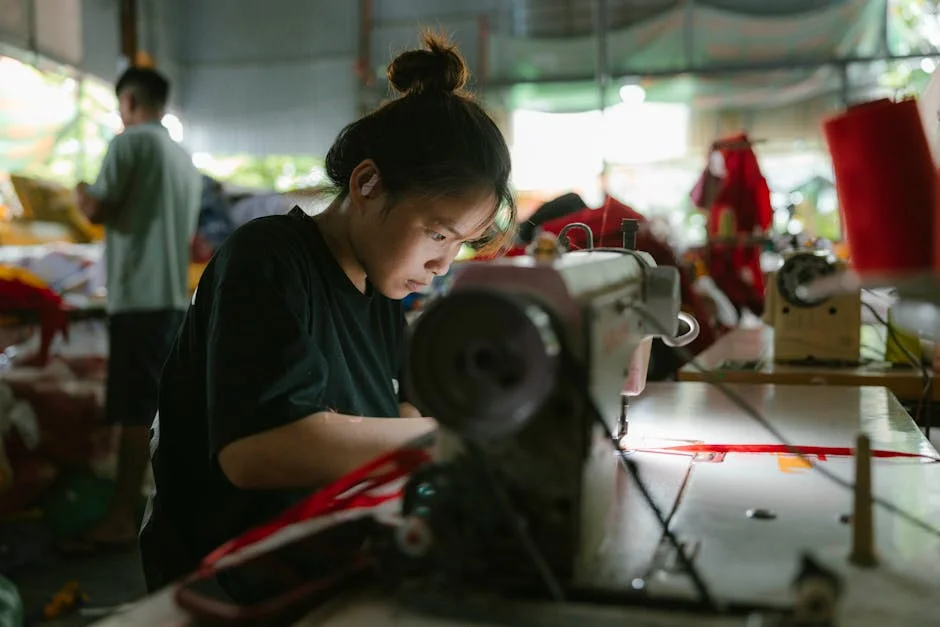
Newcastle has long been known as the "City of Coal" and a hub for textile manufacturing. However, the recent wage freeze by the South African Clothing and Textile Industrial Council (SACTIC) threatens to erode the purchasing power of its workforce. The council, which represents major employers in the sector, argues that a temporary freeze is necessary to keep factories open during a period of high energy costs and supply chain disruptions.
Unions have rejected this rationale, arguing that a flat wage in a high-inflation environment effectively amounts to a pay cut. Workers are now walking further to buy the same amount of groceries. This dynamic reduces the disposable income available for other local services, creating a ripple effect throughout the town's economy. Small businesses in Newcastle are already reporting slower sales as workers tighten their belts.
The geographic concentration of this industry in KwaZulu-Natal means the impact is not evenly spread. While Johannesburg sees service-sector growth, Newcastle relies heavily on the factory line. When the line slows, the whole town feels the tremors. Local officials are under pressure to intervene, but their fiscal tools are limited compared to the national bargaining power of SACTIC.
Impact on Local Households
For the average worker in Newcastle, the wage freeze means difficult choices at the checkout counter. Food inflation in South Africa has remained stubbornly high, often exceeding 6% annually. This directly affects the caloric intake and nutritional quality of meals for working-class families. The social fabric of these communities is tested when basic necessities become luxuries.
Education and healthcare costs also rise with inflation. Parents are forced to divert funds from school uniforms or transport to cover rising electricity bills. This shifts the burden onto social grants, which are already stretched thin. The local community response has been one of cautious anger, with town hall meetings becoming more frequent and more heated as residents demand clarity from their employers.
Regional Economic Implications
The situation in Newcastle is not an isolated incident. It reflects broader structural issues within the South African manufacturing sector. High energy costs, particularly from the state-owned utility company, weigh heavily on factory profits. When electricity tariffs rise, employers must choose between absorbing the cost or passing it on to workers through wage stagnation.
This dynamic has significant implications for regional economic planning. Investors are becoming wary of regions where labor disputes are frequent and costs are unpredictable. For neighboring provinces, the Newcastle model serves as a cautionary tale. If the largest clothing hub cannot sustain wages, smaller hubs may face even greater volatility. This could lead to a consolidation of production in fewer, larger cities, leaving towns like Newcastle economically stranded.
The loss of local manufacturing capacity also affects employment diversity. When factories close or stagnate, workers often migrate to cities like Durban or Johannesburg. This brain drain depletes Newcastle of its skilled workforce, making it harder to attract new industries. The cycle of decline becomes self-perpetuating without strategic intervention from provincial and national governments.
Lessons for Nigeria and West Africa
For readers in Nigeria, the situation in South Africa offers valuable insights into the challenges of industrialization. Nigeria is currently pushing to boost its local textile and garment industries to reduce import dependence. The Newcastle case study shows that wage structures must be carefully balanced against productivity and inflation. If wages do not keep pace with the cost of living, worker morale and productivity suffer.
Nigerian policymakers should watch how South Africa manages this transition. The use of bargaining councils to negotiate wage rates can provide a framework for stability, but it must be flexible enough to respond to economic shocks. Rigid wage structures can lead to strikes and production halts, which disrupt supply chains and drive up prices for consumers. In Nigeria, where the naira fluctuates significantly, similar wage freezes could lead to even more severe social unrest.
Furthermore, the energy cost factor is critical. Both South Africa and Nigeria rely heavily on state-owned power utilities. If electricity prices rise without a corresponding increase in wages, manufacturing becomes less competitive. Nigerian industrial estates in cities like Abuja and Lagos must ensure that power costs are predictable and affordable. Otherwise, local producers will struggle to compete with cheaper imports from Asia and Europe.
Community Response and Social Impact
The social impact of the wage freeze extends beyond immediate finances. It affects mental health and community cohesion. Stress levels among workers have risen, leading to higher absenteeism and lower productivity. This creates a feedback loop where employers cite lower productivity to justify further wage controls, further aggravating workers. Community leaders in Newcastle are calling for dialogue to break this cycle.
Local churches and non-governmental organizations are stepping in to fill the gaps. Food banks in Newcastle have seen a surge in visitors, indicating that the safety net is fraying. This places additional pressure on civil society organizations that are already operating on tight budgets. The community response highlights the resilience of local networks but also their vulnerability to prolonged economic stress.
Protests and town hall meetings have become common. Residents are demanding transparency from SACTIC and the factories. They want to know how profits are being distributed and why workers are bearing the brunt of the cost increases. This demand for accountability is a positive sign for civic engagement, but it also indicates a growing distrust in institutional decision-making.
Future Outlook and Next Steps
The next few months will be critical for the Newcastle garment sector. Unions are planning a series of strikes if the wage freeze is not lifted or if a cost-of-living adjustment is not introduced. These strikes could disrupt production schedules, affecting retailers across South Africa. The outcome of these negotiations will set a precedent for other manufacturing sectors in the country.
Observers should watch for any policy changes from the South African government. The Ministry of Labour may intervene to mediate the dispute, potentially introducing a temporary subsidy for energy costs. Such a move could alleviate some pressure on factories, allowing them to increase wages without cutting jobs. The timing of these interventions will determine the stability of the local economy.
For international investors and partners, the situation underscores the importance of robust labor relations. Companies looking to expand in South Africa or similar markets must engage with local communities and unions early in the process. Ignoring the social contract can lead to costly disruptions. The Newcastle case study will likely be cited in boardrooms across Africa as a lesson in the human cost of economic adjustment.
Readers should monitor the upcoming vote by the South African Clothing and Textile Industrial Council members in early next month. This vote will determine whether the wage freeze continues or if a new agreement is reached. The result will have immediate implications for thousands of workers and the broader regional economy. Staying informed on these developments is essential for understanding the future of African manufacturing.
See Also
- Gauteng Police Launches Probe into Woolworths Explosions Impacting Local Communities
- Borno Records 274 New Cholera Cases in 24 Hours — Deaths Hit 4,204
In Nigeria, where the naira fluctuates significantly, similar wage freezes could lead to even more severe social unrest. Otherwise, local producers will struggle to compete with cheaper imports from Asia and Europe.