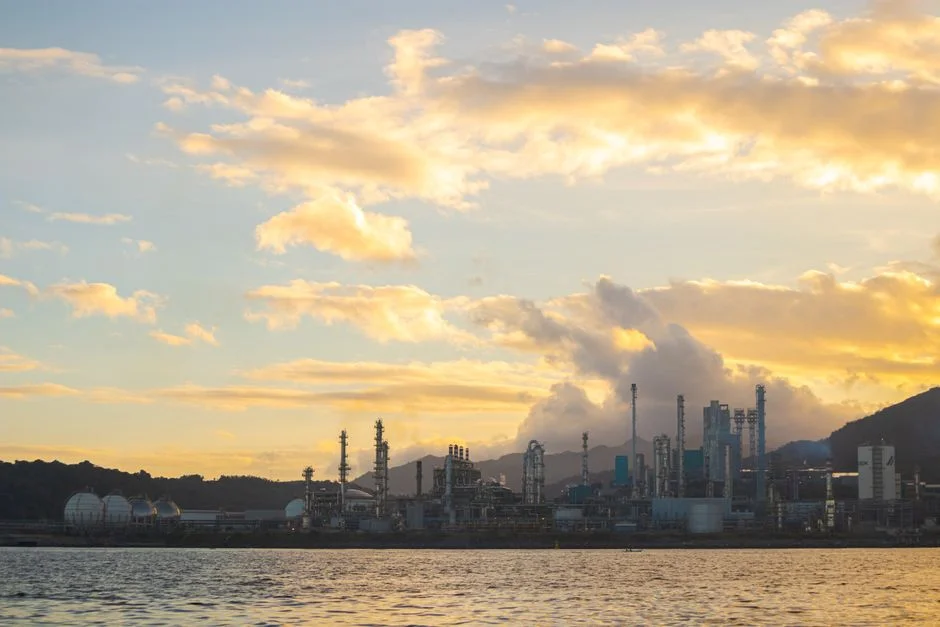
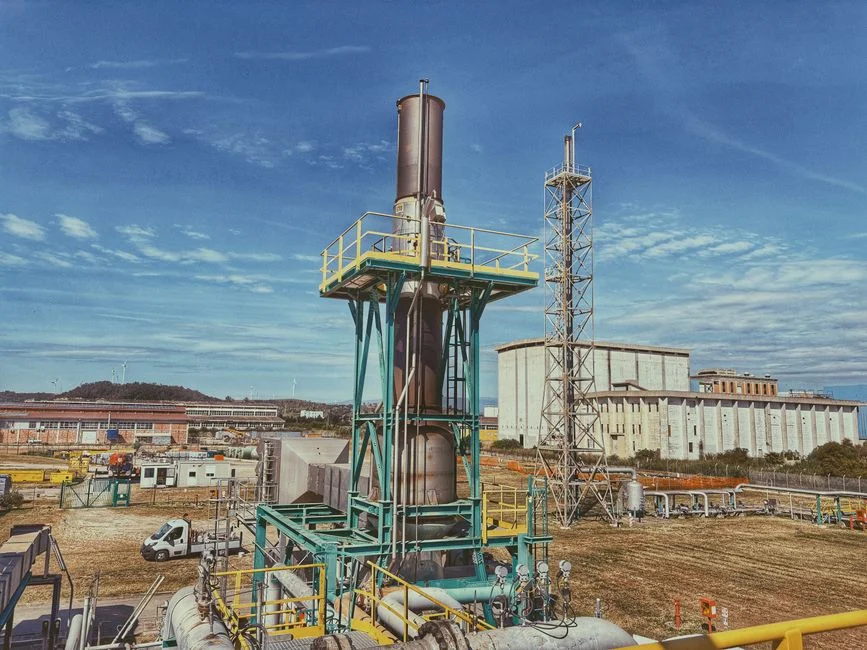
Nigerians are facing rising fuel prices, now averaging ₦450 per litre, as the European energy crisis impacts the global oil market. This surge has become a pressing issue for communities in the Niger Delta, where many depend on affordable fuel for their daily lives and livelihoods.
Rising Prices and Local Impact
Starting in October 2023, the cost of petrol increased by 30%, driven by higher international oil prices resulting from the conflict in Eastern Europe. In the Niger Delta region, local businesses are feeling the pinch as transportation costs soar, leading to increased prices for goods and services. Many small traders, already struggling, now face dwindling customer spending.
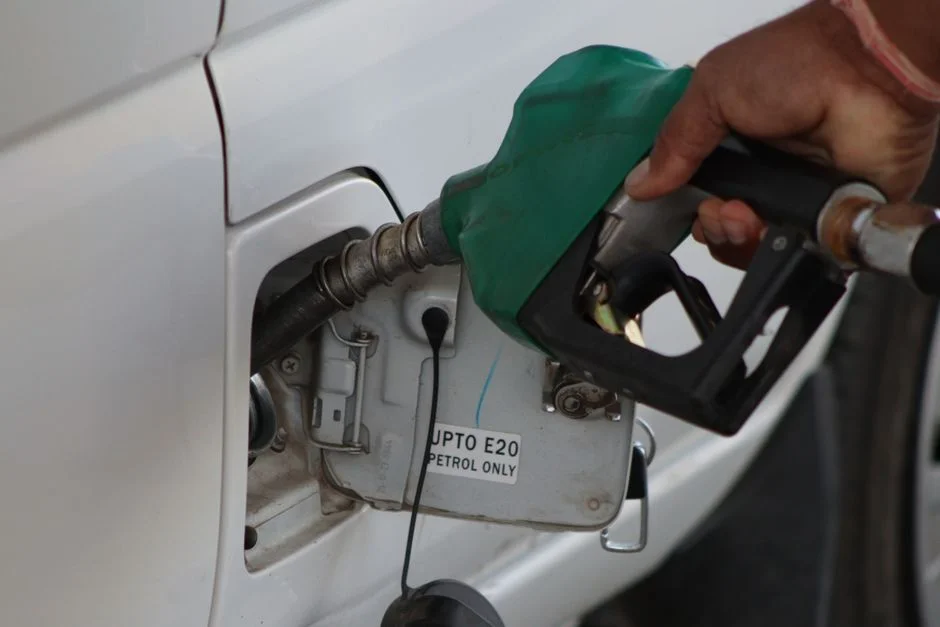
“Fuel prices have nearly doubled this year,” says Amaka Kalu, a market trader in Port Harcourt. “If we don’t find help, I fear many businesses will close.” The economic strain is palpable, as families are forced to adjust their budgets to accommodate these unforeseen costs.
Community Responses to the Crisis
In response to the rising costs, local community leaders have urged the government to intervene. Activists from the Niger Delta have organised protests demanding government subsidies or price controls to ease the burden on citizens. The *Niger Delta People's Congress* recently issued a statement addressing the urgent need for action.
“We cannot afford to sit back and watch our communities suffer,” stated Chief Efe Okparanta, a prominent activist. “The government must take immediate steps to alleviate this crisis.” Such sentiments resonate deeply among residents who rely on public transport, affecting their daily commutes and access to essential services.
The Role of European Developments
The ongoing energy crisis in Europe has created a ripple effect on oil markets worldwide, significantly impacting Nigeria, a major oil producer. As European nations scramble to secure energy supplies, demand for Nigerian crude has surged, affecting local pricing dynamics.
In September 2023, the European Union approved new measures to transition away from Russian oil, redirecting attention to Nigerian exports. This shift, while beneficial for the national economy, complicates local price structures, as international demand competes with local needs.
Government and Economic Implications
As fuel prices rise, the Nigerian government finds itself at a crossroads. According to the *Ministry of Petroleum Resources*, the current price is linked directly to global fluctuations. Despite rising revenues from oil exports, the government must address the immediate economic fallout for citizens.
“Our priority remains the welfare of our citizens,” commented Minister of Petroleum, Chief Timipre Sylva, during a recent briefing. “We are considering various measures to mitigate the impact of these global challenges.”
Looking Ahead: What Citizens Can Expect
As the situation unfolds, Nigerians are left uncertain about future fuel prices and the government's response. Many are advocating for a comprehensive energy policy that balances international obligations with local interests.
In the coming weeks, residents will be watching closely for updates from the government on proposed measures, potential subsidies, or long-term reforms aimed at stabilising fuel prices. Meanwhile, communities are urged to prepare for the possibility of continued economic strain as the global energy crisis evolves.
See Also
- South African Cyber Threats Surge: How Nigerian SMEs Can Survive
- Ghana's Africa Champs Pole Vault Snaps — Chaos Erupts in Accra
“We are considering various measures to mitigate the impact of these global challenges.”Looking Ahead: What Citizens Can ExpectAs the situation unfolds, Nigerians are left uncertain about future fuel prices and the government's response. As European nations scramble to secure energy supplies, demand for Nigerian crude has surged, affecting local pricing dynamics.In September 2023, the European Union approved new measures to transition away from Russian oil, redirecting attention to Nigerian exports.
What is the latest news about nigerians demand action as oil prices surge what it means for the niger delta?
Why does this matter for sports?
What are the key facts about nigerians demand action as oil prices surge what it means for the niger delta?