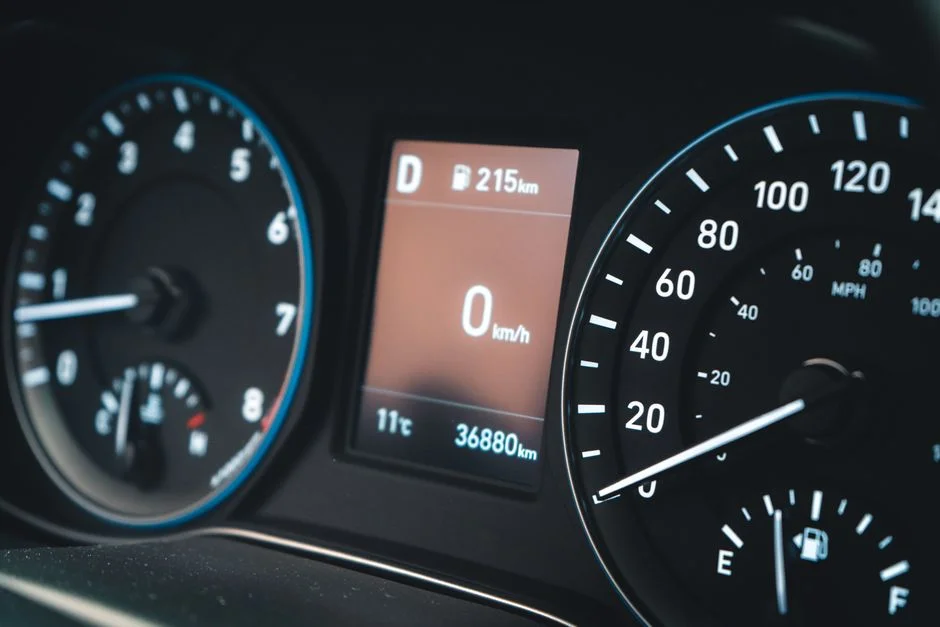
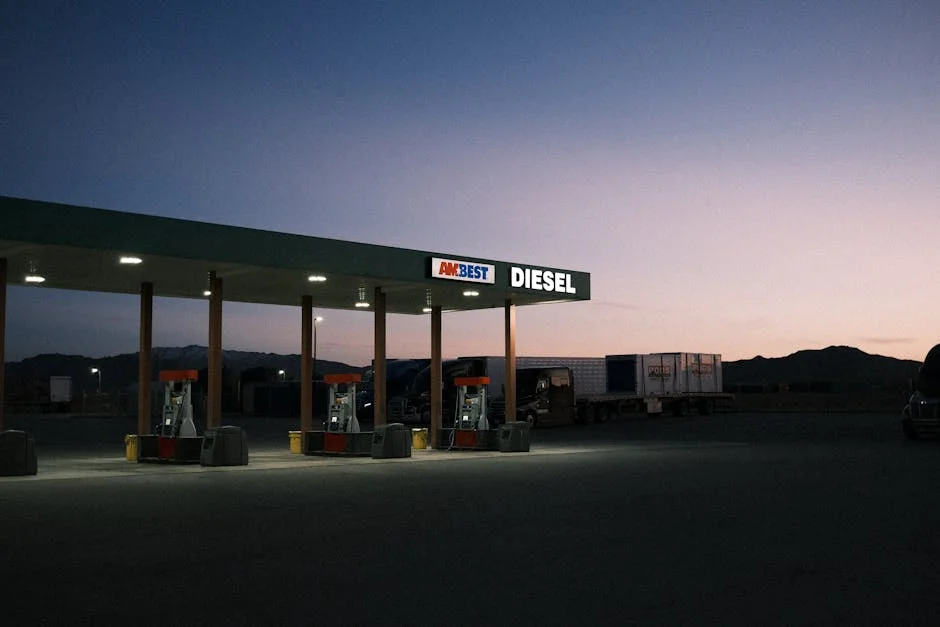
Fuel prices across South Africa will climb to unprecedented levels next month, squeezing household budgets and escalating costs for businesses already struggling with economic pressures. The increases, taking effect in the coming weeks, mark the steepest petrol costs in the nation's modern history. For millions of commuters and transport operators, the impact will be immediate and far-reaching.
Record Prices at the Pump
The Ministry of Mineral Resources and Energy confirmed the adjustments following its monthly fuel price review. Petrol prices will rise by amounts that translate to several rands more per litre compared to current rates. The ministry's pricing committee cited international crude oil values and currency fluctuations as primary drivers behind the adjustments. This latest move surpasses previous records set just months earlier.
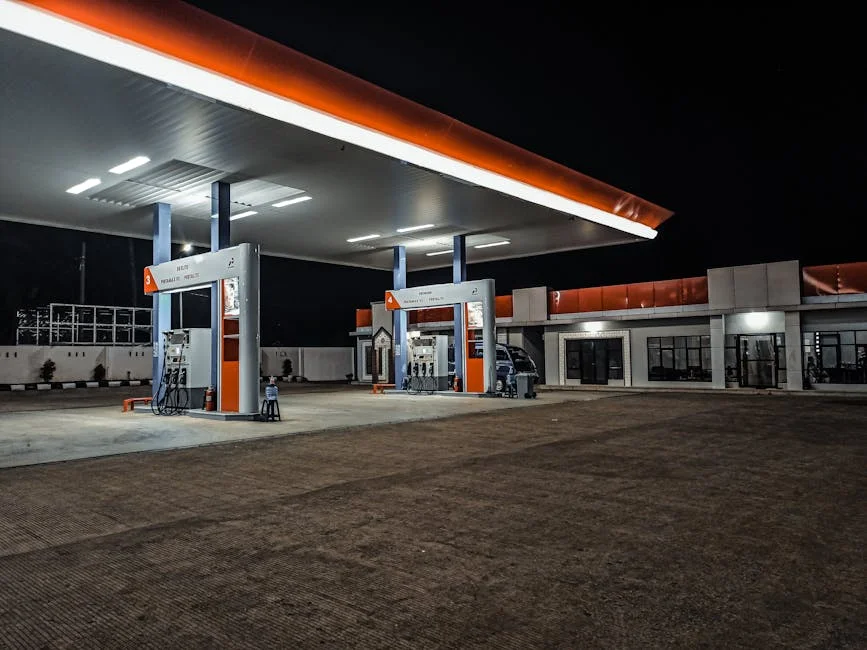
Coastal regions will see slightly lower increases than inland provinces due to transport cost differentials, but the overall trajectory remains steep everywhere. The department announced the new prices would apply from the first Wednesday of the coming month.
Commuters Count the Cost
Working South Africans who depend on private vehicles face an immediate hit to their disposable income. Taxi drivers operating routes between residential areas and commercial centres warned the increases would force them to raise fares or absorb costs that eat into thin profit margins. The South African National Taxi Council flagged that operators would need to recalculate routes and passenger loads to stay viable.
For families already managing tight budgets, the fuel squeeze compounds existing pressures from food price inflation and utility bills. Consumer groups in Gauteng and KwaZulu-Natal reported heightened anxiety among members trying to map out transport strategies for the month ahead.
Supply Chain Pressures Mount
Freight companies moving goods between major hubs like Johannesburg, Durban, and Cape Town will pass higher fuel costs down the supply chain. Retailers warned that delivery expenses would likely filter into shelf prices within weeks. The Business Unity South Africa chamber indicated its members were assessing operational adjustments, including route optimisation and fuel sourcing strategies.
Agricultural producers in the Western Cape and Mpumalanga noted that fertiliser and machinery transport costs would climb further, potentially affecting planting decisions for the upcoming season. Farm-to-market transport forms a significant portion of production expenses in these regions.
Government Response and Calculations
Fuel pricing in South Africa operates on a transparent mechanism that adjusts monthly based on global oil benchmarks and rand-dollar exchange rates. The Central Energy Fund manages the formula that determines retail prices at coastal and inland zones. Analysts tracking the fund's movements had flagged the approaching record threshold weeks before the announcement.
The government levies a fuel levy and Road Accident Fund contribution on each litre sold, components that remained fixed despite the broader price movement. The Department of Finance has not signalled any intention to adjust these duties in response to the record prices.
Broader Economic Context
The surge arrives amid broader economic uncertainty that has weighed on consumer confidence across the region. South Africa's economy grew modestly in the third quarter, with transport and logistics sectors contributing to expansion, but analysts caution that elevated fuel costs could dampen momentum. The South African Reserve Bank has been monitoring inflation indicators closely as part of its monetary policy deliberations.
Regional trade patterns may also shift as South African businesses reassess cross-border transport economics. Operators moving goods to and from Botswana, Namibia, and Mozambique will factor fuel costs into pricing negotiations. Fuel price increases in one regional economy often create competitive ripples across the southern African corridor.
What Drivers Should Watch
The next fuel price adjustment is scheduled for early next month, when the pricing committee will reassess based on updated global crude values and currency movements. Industry observers suggest drivers should monitor international oil markets for signs of relief or further escalation. Some petrol stations in metropolitan areas may absorb portions of increases to retain customers in competitive markets.
Consumer advice organisations recommend reviewing vehicle maintenance schedules, checking tyre pressures, and planning consolidated trips to maximise fuel efficiency during this period. The Automobile Association of South Africa has published guidance for members seeking to manage transport expenses through the high-price season.
See Also
- Nigeria Loses N12bn to Cybercrime — Daily Life Disrupted
- Baltimore Lawyer Slain Protecting Grandkids — Shock Ripples Through US
Farm-to-market transport forms a significant portion of production expenses in these regions.Government Response and CalculationsFuel pricing in South Africa operates on a transparent mechanism that adjusts monthly based on global oil benchmarks and rand-dollar exchange rates. Analysts tracking the fund's movements had flagged the approaching record threshold weeks before the announcement.The government levies a fuel levy and Road Accident Fund contribution on each litre sold, components that remained fixed despite the broader price movement.