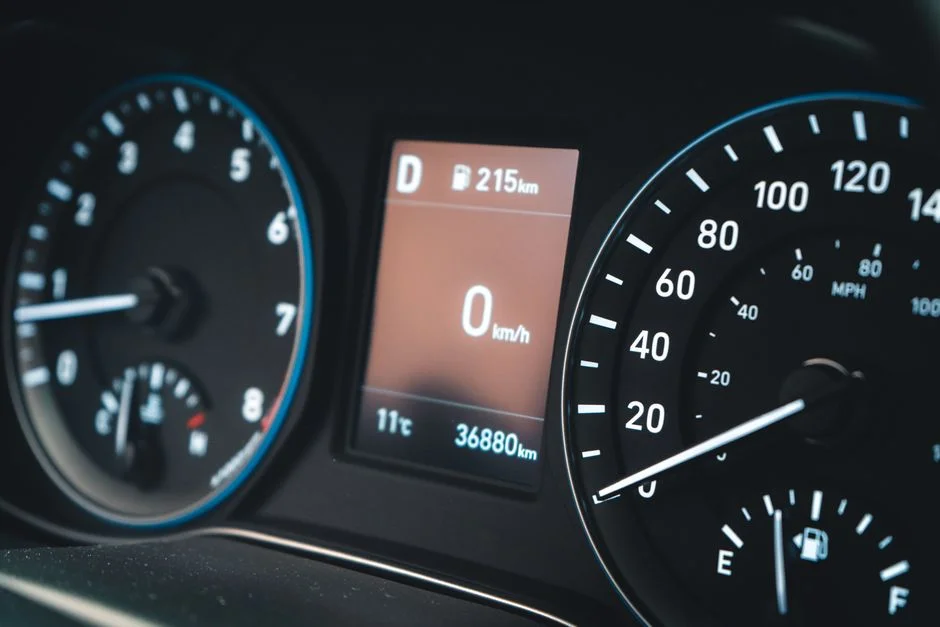
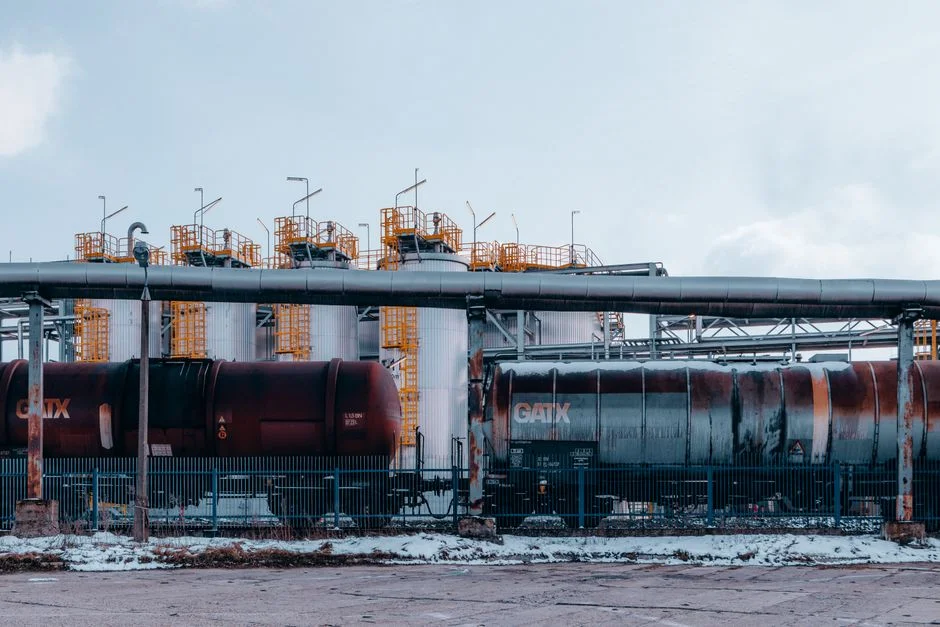
South African motorists are bracing for severe strain at the pumps after authorities confirmed petrol prices will rise by R6 per litre. The increase, effective from Wednesday, pushes fuel costs to record levels across the country, squeezing household budgets already stretched by rising food and electricity prices. The announcement from the Department of Mineral Resources and Energy drew immediate criticism from consumer groups and opposition politicians.
What Drivers Will Pay
Inland regions, including Johannesburg, will see petrol climb to around R26.50 per litre. Coastal areas fare slightly better at approximately R25.80 per litre following the quarterly price adjustment. Diesel users fare even worse, with wholesale prices jumping by more than R1.20 per litre in some areas. The increases apply to both 93 and 95 octane petrol grades widely used across the country.

The Department confirmed the new prices reflect continued weakness in the rand against the dollar combined with elevated international crude oil costs. South Africa imports nearly all its fuel, making local prices highly sensitive to currency swings and global market movements. Last month alone, the rand shed over 3% of its value against the greenback.
Why Prices Are Climbing
Global oil markets have remained elevated due to production cuts by OPEC+ nations, limiting supply just as demand recovers in major economies. Brent crude has traded between $80 and $85 per barrel in recent weeks. For South Africa, each one-dollar move in oil translates roughly to an 11 cent change at the pump after currency conversion.
Currency Pressures Compound Costs
The rand-dollar exchange rate has become a critical factor pushing prices higher. When the local currency weakens, South Africans effectively pay more for the same barrel of oil priced in dollars. The combination of expensive crude and a struggling rand has created a perfect storm for fuel costs. Industry analysts at the Central Energy Fund, which tracks fuel price movements, had flagged the pending increases weeks ago as international conditions deteriorated.
Impact on Daily Life
For millions of South Africans who commute daily by car, the hike arrives at a difficult moment. Transport already consumes a significant portion of lower-income household budgets, and the new prices mean families will need to find extra money for petrol or diesel. Those using taxis and buses may also face fare increases as operators pass on higher fuel costs. Delivery services and businesses relying on road freight are equally exposed.
South Africa's Automobile Association warned the cumulative effect of multiple price increases has pushed many households to breaking point. The organisation noted that fuel costs affect virtually every consumer good since transportation is built into supply chains. The result is broader inflation pressures that erode purchasing power across the economy.
Government Defends Pricing Structure
Energy officials maintain South Africa operates a regulated fuel pricing system that automatically adjusts with market conditions. There is little room for government intervention without distorting the market or incurring significant fiscal costs. The quarterly review process is designed to be transparent, they argue, passing through international price movements without markup.
Some opposition parties have called for temporary fuel tax relief to ease pressure on consumers. The African National Congress government has so far resisted direct intervention, citing concerns about the broader fiscal impact. Treasury officials have indicated the priority remains controlling inflation rather than subsidising fuel prices. The fuel levy already accounts for a substantial portion of pump prices, contributing to road infrastructure and the general tax base.
What Comes Next
The next price review is scheduled for early May, when the Department will announce adjustments based on current market conditions. Industry observers expect further increases if oil prices remain elevated and the rand fails to recover. Motorists are being advised to budget carefully and explore fuel efficiency measures where possible.
Longer-term solutions remain elusive. Electric vehicle adoption in South Africa remains minimal due to high purchase costs, limited charging infrastructure, and electricity supply challenges. The government published an electric vehicle policy discussion paper last year but concrete targets and incentives have yet to materialise. Until alternatives become viable, South African drivers will continue to face volatile international markets with limited protection from currency swings.
See Also
- Ghana Names Ex-Arsenal Star Partey in 2026 World Cup Preliminary Squad
- Borno Security Forces Free 11 More Captives — Days After 416 Rescued
The African National Congress government has so far resisted direct intervention, citing concerns about the broader fiscal impact. There is little room for government intervention without distorting the market or incurring significant fiscal costs.