Ghana's national football team has selected former Arsenal midfielder Thomas Partey in their preliminary squad for the 2026 World Cup, reigniting debate across West African football circles about the Black Stars' chances on the global stage.
Partey's Return to International Football
Thomas Partey, who departed Arsenal in 2023 after three seasons at the North London club, has been included in Ghana's 55-man preliminary squad announced by the Ghana Football Association on Monday. The 31-year-old midfielder, who currently plays for Rennes in France, last represented Ghana at the 2022 World Cup in Qatar. His return provides veteran experience to a squad undergoing transition ahead of the tournament co-hosted by the United States, Mexico, and Canada.
The announcement triggered immediate reaction on social media platforms across Accra and Lagos, where football fans closely follow regional rivals Ghana. Many Nigerian supporters acknowledged Partey's pedigree while speculating about potential matchups between the two nations' national teams in future qualifiers.
What the Squad Signals for West African Football
Ghana's inclusion of Partey reflects a broader trend among African nations relying on experienced European-based players for major tournaments. The Black Stars, who have not advanced past the group stage since 2010, face mounting pressure to deliver results in 2026. The tournament marks the first World Cup to feature 48 teams, offering additional spots for African representatives.
Football analysts in Lagos note that Partey's presence raises the profile of Group B fixtures involving African teams. Nigeria's own qualification campaign will intersect with Ghana's trajectory, making every African nation's squad decisions relevant to regional football politics and fan engagement.
Regional Football Rivalries Heat Up
The Ghana-Nigeria football rivalry, known as the "Jollof Derby" among supporters, consistently draws viewership across both nations. Ghana's squad decisions directly influence the competitive landscape Nigerian fans monitor when assessing their own Super Eagles. Partey's inclusion signals Ghana's intent to compete seriously, raising stakes for regional bragging rights.
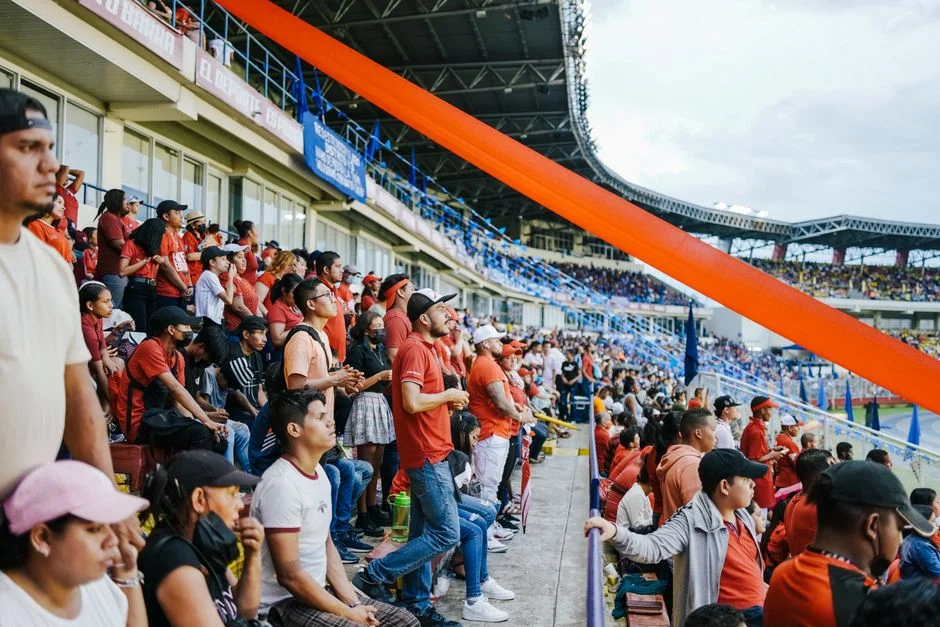
Sports viewing centres in Lagos, Abuja, and Port Harcourt typically experience surge attendance during World Cup tournaments, with African matchups generating particularly high engagement. Ghana's squad composition affects anticipated viewership numbers and community viewing arrangements.
Economic Impact on Football Communities
Football tourism between Nigeria and Ghana generates significant revenue for both economies. Charter flights, hotel bookings, and merchandise sales spike during major tournaments. Ghana's World Cup performance directly influences these economic flows, with Nigerian businesses in the hospitality and transport sectors monitoring their rivals' preparations.
Local sports bars and viewing establishments in Nigerian cities typically install larger screens and hire additional staff when West African teams qualify for World Cup tournaments. The confirmation of high-profile players like Partey shapes these business preparations and marketing strategies.
Youth Development Implications
Ghana's selection of an experienced player like Partey underscores the tension between immediate results and long-term squad development. Nigerian football academies, which regularly recruit players from Ghana and vice versa, watch such decisions for signals about talent pathways. The balance between veterans and youth shapes recruitment patterns across the region.
Young Nigerian footballers idolise players like Partey, who transitioned from Atletico Madrid to Arsenal before his Rennes move. The 2026 World Cup offers a platform for regional stars to inspire the next generation of West African talent.
Looking Ahead to June
Ghana must finalise their 23-man squad by the FIFA deadline in June. The preliminary list will undergo scrutiny as coaches finalise tactical approaches for matches against group opponents. Nigerian fans will watch closely, understanding that regional rivals' performances reflect on the broader West African football reputation.
Qualification matches across Africa continue through 2025, with the draw for the 2026 World Cup group stage scheduled for late 2025. Both Ghana and Nigeria must navigate these processes while managing player fitness and form. The next several months will determine whether Partey features in Ghana's final squad and whether he can deliver the performances that justify his selection.
See Also
- Meryl Streep’s ‘Weird’ Quote Sparks Identity Debate in Nigeria
- World Bank Warns India Gulf Crisis Could Shatter Nigerian Jobs
Ghana's squad composition affects anticipated viewership numbers and community viewing arrangements.Economic Impact on Football CommunitiesFootball tourism between Nigeria and Ghana generates significant revenue for both economies. Charter flights, hotel bookings, and merchandise sales spike during major tournaments.