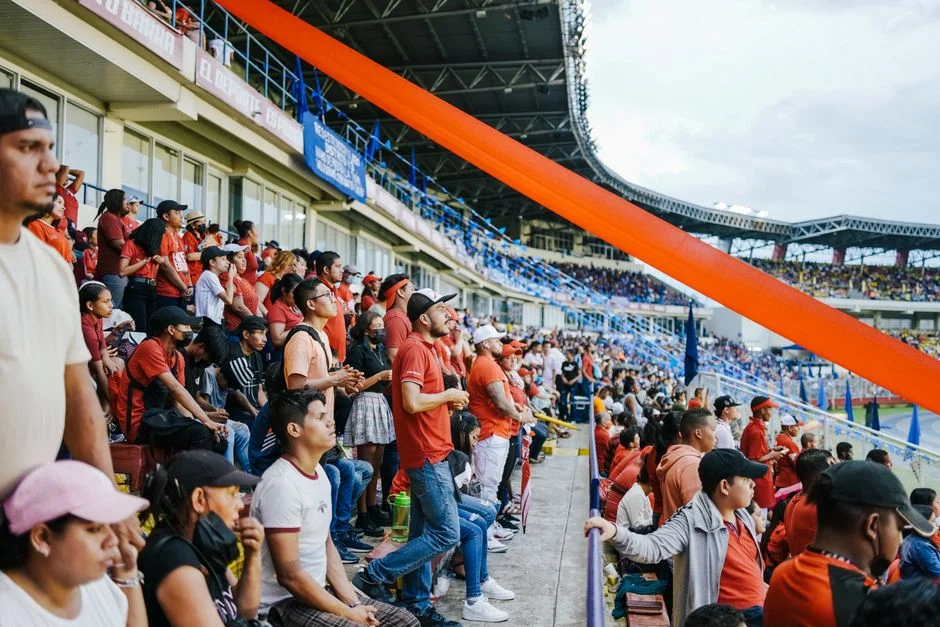
The United States has officially reduced the financial barrier for fans traveling from five African nations to attend the upcoming World Cup. This policy shift eliminates the steep $15,000 bond that previously deterred many middle-class supporters. The change directly impacts citizens in Nigeria, Ghana, Senegal, Morocco, and Cameroon, making trans-Atlantic travel more affordable.
End of the $15,000 Bond Era
The previous visa requirements placed a heavy financial burden on African travelers. Applicants were often required to post a bond of $15,000 to guarantee their return home. This sum is equivalent to several months' salary for many professionals in Lagos or Accra. The high cost effectively priced out a large segment of the potential fanbase.

Under the new directive, these five countries are no longer subject to the exorbitant bond. This decision reflects a strategic move to boost tourism and cultural exchange during the global sporting event. It also signals a shift in diplomatic relations between the US and key African markets. The reduction in cost is a tangible benefit for ordinary citizens.
Direct Impact on Nigerian Fans
Nigeria faces unique challenges regarding travel to the United States. The Nigerian Naira has experienced volatility, making foreign currency expenses more painful. For a fan in Abuja, saving $15,000 was often an insurmountable hurdle. Removing this requirement opens the door for thousands of new visitors.
The economic implications for local communities are significant. Travel agencies in cities like Port Harcourt and Kano have already seen a surge in inquiries. Hotels and tour operators are adjusting their packages to cater to the influx of visitors. This boost to the service sector provides immediate employment opportunities for local guides and drivers.
Visa Processing Changes
While the bond is gone, the visa application process remains rigorous. Applicants must still demonstrate strong ties to their home country. The US State Department has emphasized that the bond was just one factor in the approval process. Other criteria include employment history and travel records.
However, the removal of the financial deposit simplifies the initial application stage. Consular officers can now focus more on the applicant's personal circumstances. This change reduces the administrative burden on both the travelers and the embassies. It creates a more streamlined path for those eager to attend the matches.
Economic Boost for Local Communities
The influx of fans will have a ripple effect on local economies. Fans will spend money on accommodation, food, and transportation in the host cities. This spending power supports small businesses and creates jobs in the hospitality sector. Local vendors in markets and street stalls will also benefit from the increased foot traffic.
Business owners in major cities are preparing for the opportunity. Many are investing in upgrades to their facilities to attract international guests. This preparation stimulates local construction and service industries. The economic activity extends beyond the duration of the World Cup itself.
The increased visibility of African cultures in the US also has long-term benefits. It fosters greater understanding and appreciation between the two regions. This cultural exchange can lead to stronger trade and investment ties in the future. The World Cup serves as a catalyst for broader economic engagement.
Travel Logistics and Planning
Fans need to start planning their trips well in advance. Visa appointments at the US Embassy in Lagos are already filling up quickly. Early booking is essential to secure a spot in the queue. Travelers should also consider the timing of their flights to avoid peak season prices.
The US State Department has released updated guidelines for travelers. These guidelines provide clear instructions on required documents and procedures. Fans are encouraged to review these details carefully to avoid last-minute surprises. Proper preparation ensures a smoother travel experience for everyone involved.
Accommodation options in major US cities are becoming competitive. Hotels are offering special packages for World Cup attendees. Fans should compare prices and read reviews before making their final choices. Booking early can help secure better rates and preferred locations near the stadiums.
Social Impact and Community Spirit
The World Cup is more than just a sporting event for many Africans. It is a time for celebration, unity, and national pride. Fans gather in local bars and community centers to watch the matches together. These gatherings strengthen social bonds and create lasting memories.
The ability to travel to the US adds a new dimension to this experience. Fans can immerse themselves in the atmosphere of the host country. They can meet supporters from other nations and share their cultural heritage. This interaction promotes a sense of global community and mutual respect.
Local communities in Africa are also mobilizing to support the teams. Neighborhood watch groups and local leaders are organizing viewing parties. These events bring people together and foster a spirit of camaraderie. The social impact of the World Cup extends far beyond the final whistle.
What to Watch Next
The US State Department will announce the final list of eligible countries soon. Fans should monitor official channels for updates on visa quotas and deadlines. The timing of these announcements will influence travel planning for many supporters. Staying informed is crucial for a successful trip.
Local governments in the five African nations are also preparing for the influx of travelers. They are working to improve infrastructure and public transport in key cities. These improvements will benefit residents long after the World Cup ends. The event serves as a catalyst for urban development and modernization.
The final verdict on the economic impact will become clear as the tournament approaches. Businesses will report on sales figures and customer demographics. These data points will provide insights into the true value of the policy change. The coming months will be critical for assessing the success of this initiative.
See Also
- Africa Movie Awards Bread Dress Sparks Economic Debate in Lagos
- TotalEnergies Secures Morocco U-17 AFCON — What It Means for Nigerian Football